
Natalia Collado Van-Baumberghen
Research Economist en EsadeEcPol. Máster en Economía Industrial y Mercados regulados por la Universidad Carlos III de Madrid
12 Sep, 2024
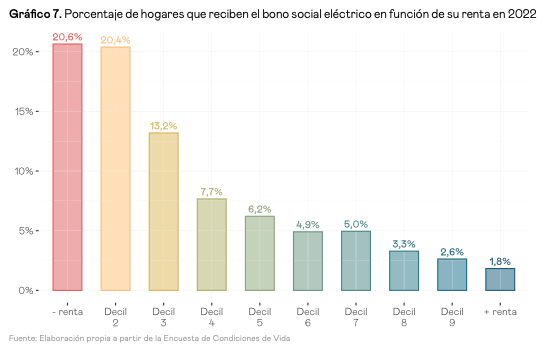
Analysis published together with Oxfam Intermón. Key ideas In 2022, almost 8 out of 10 potential beneficiaries did not receive the electricity social bonus: its coverage rate stands at 24.5%, and is particularly high for large families (45.5%). A good share of those who do benefit from the social bonus are not vulnerable families: among […]
12 Jan, 2024
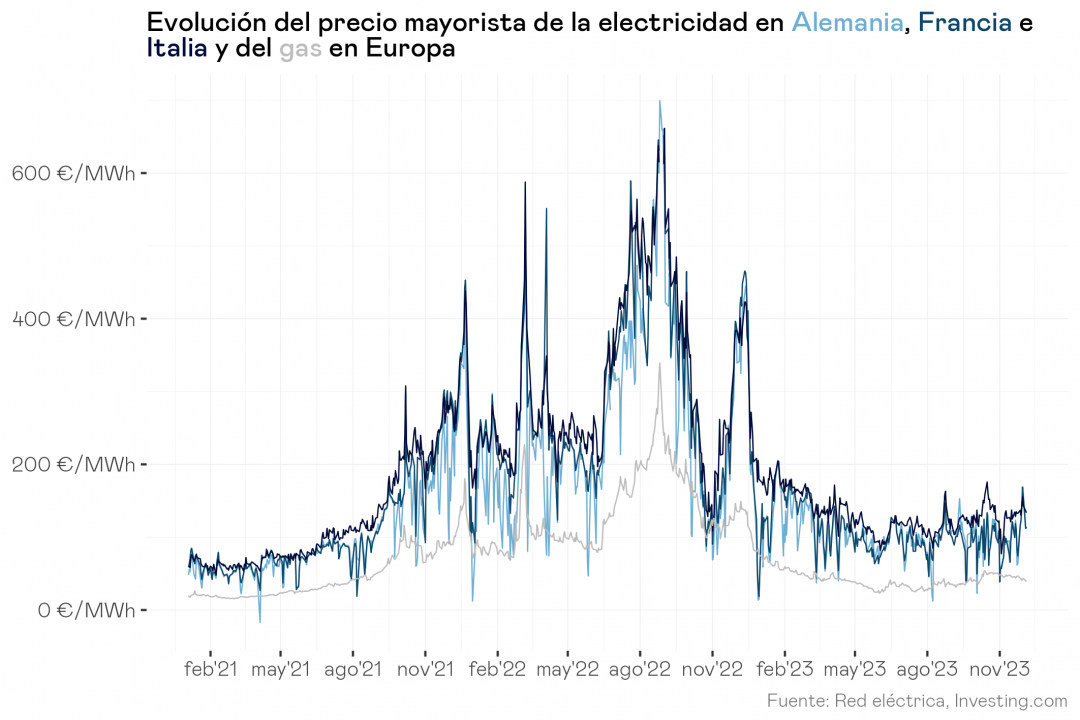
The functioning of the European electricity market needs new instruments to encourage investment in large-scale renewable energy projects and storage. Although in theory markets such as the European could incentivize investment, in practice they have failed to do so. In fact, at a certain point of maturity, the price decline in the electricity markets reduced […]
23 Nov, 2023
The urgent need for decarbonization has broadened the scope of transportation policy from improving network conditions, such as reducing congestion or improving accessibility, to include sustainability considerations, promoting zero-emission mobility, and climate change adaptation measures. While these measures are critical in reducing the carbon footprint of the transportation sector, they can also have unintended social […]
17 Nov, 2023
As the volatility of short-term energy market prices increases due to exogenous shocks and the changing nature of the energy mix market interventions are gaining importance in the policy debate. Accurate and robust quantification of their impact is becoming therefore essential. This paper conducts a causality analysis to evaluate the Spanish ‘gas cap’ for electricity […]
18 Oct, 2023
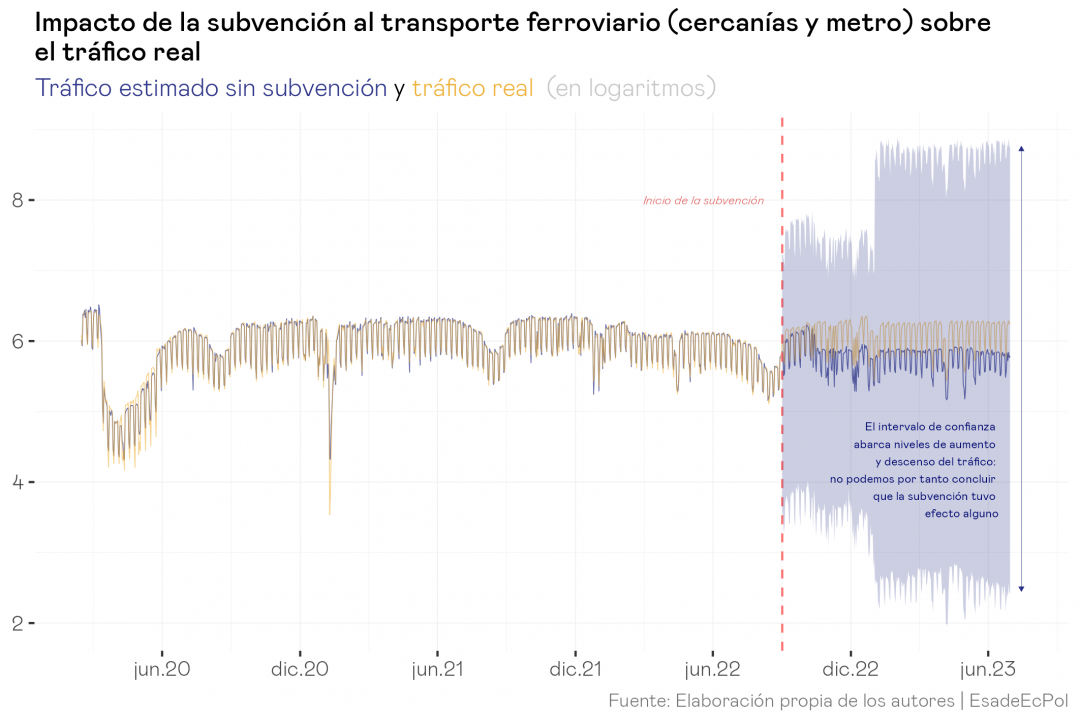
Key ideas → With the available evidence, we cannot claim that the subsidy for metropolitan rail transport has reduced the number of cars on the streets of Madrid. → Nor is there any effect for the areas with the highest traffic intensity, lower (or higher) income levels, the main access roads to the city (M-30), […]
8 Jun, 2023
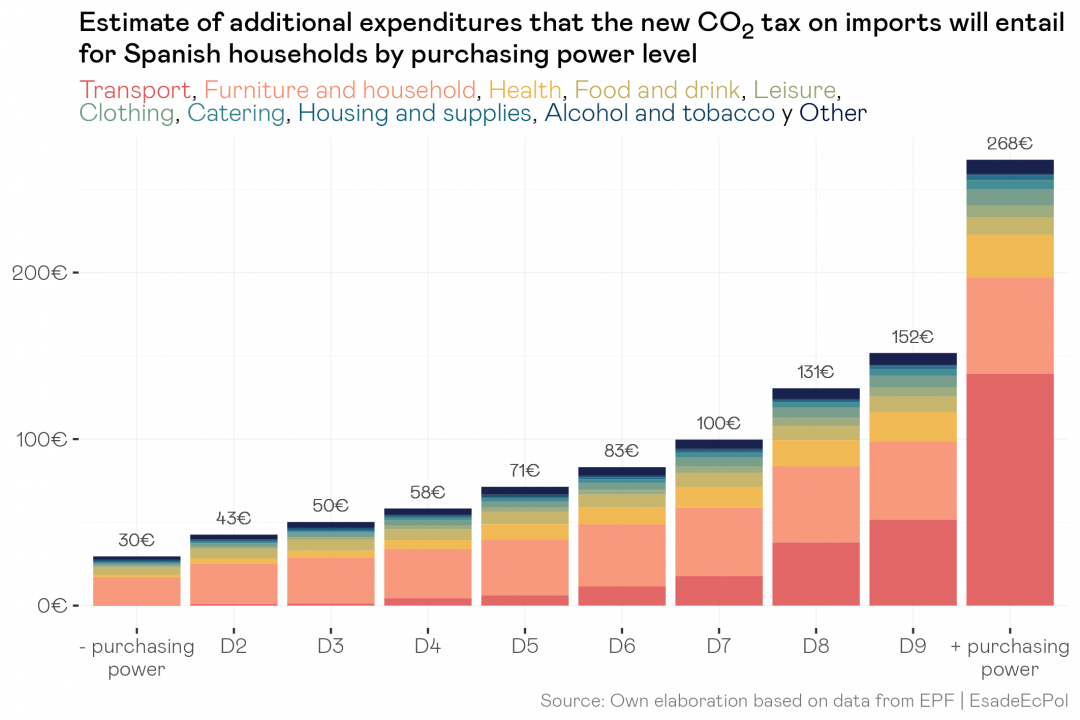
Energy-intensive sectors in the European Union pay for the environmental costs of their activities through an emissions allowance market, where each tonne of CO2 emitted has a specific price. To prevent these additional costs from putting European industry at a disadvantage compared with imports from third countries, a free quota was previously allocated to the […]
3 May, 2023
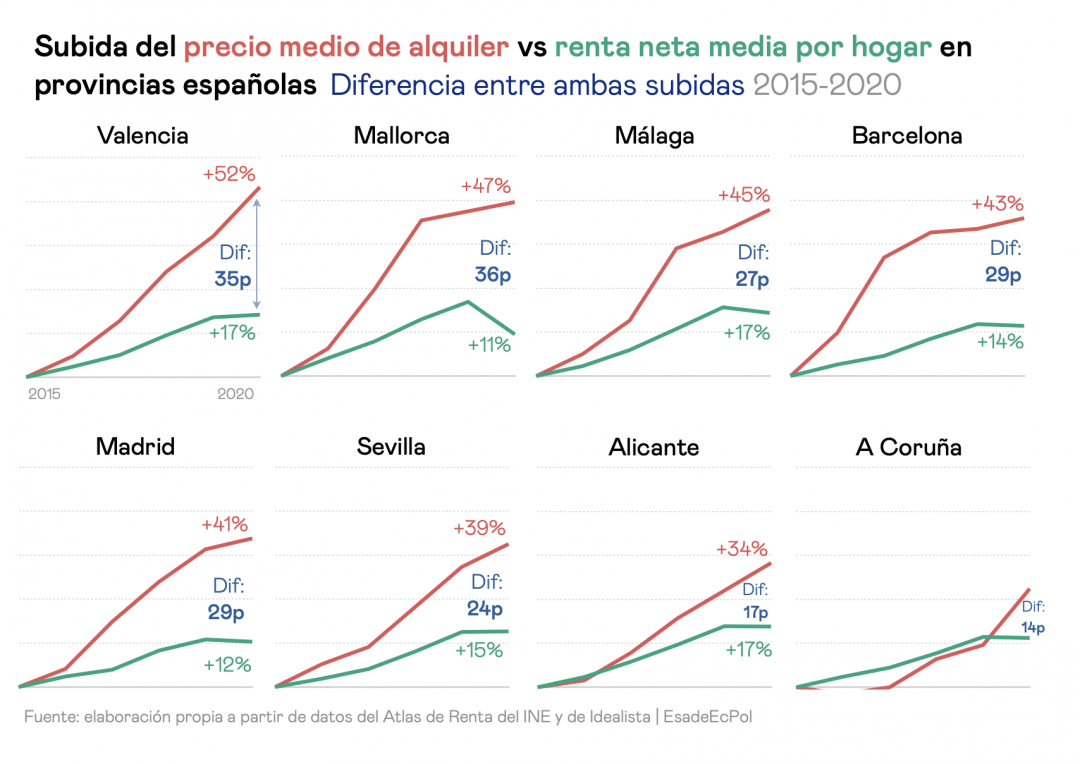
The new housing policy aims to solve the evident rental problems in Spanish cities through price controls in stressed areas and an effort to increase the supply of social rental housing. The effort on access is promising and goes in the right direction to solve the problem, while the controls could prove counterproductive. The commitment […]
21 Mar, 2023
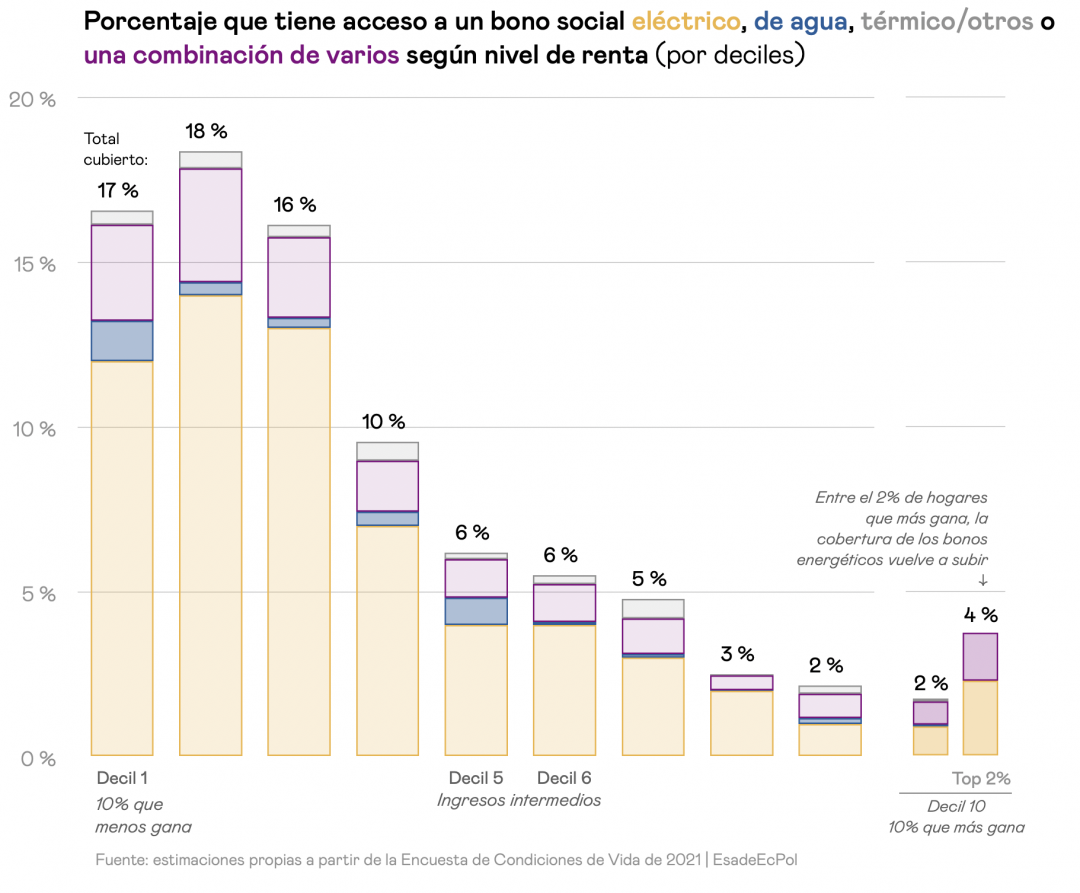
Only 8.3% of households receive any energy social bonus, even though 14.3% reported having problems keeping their home at an adequate temperature in 2021, the latest available data. This percentage only rises to 17% among the third of households with the lowest income, and falls rapidly as we look at middle- and upper-middle-class households, covering […]
2 Feb, 2023
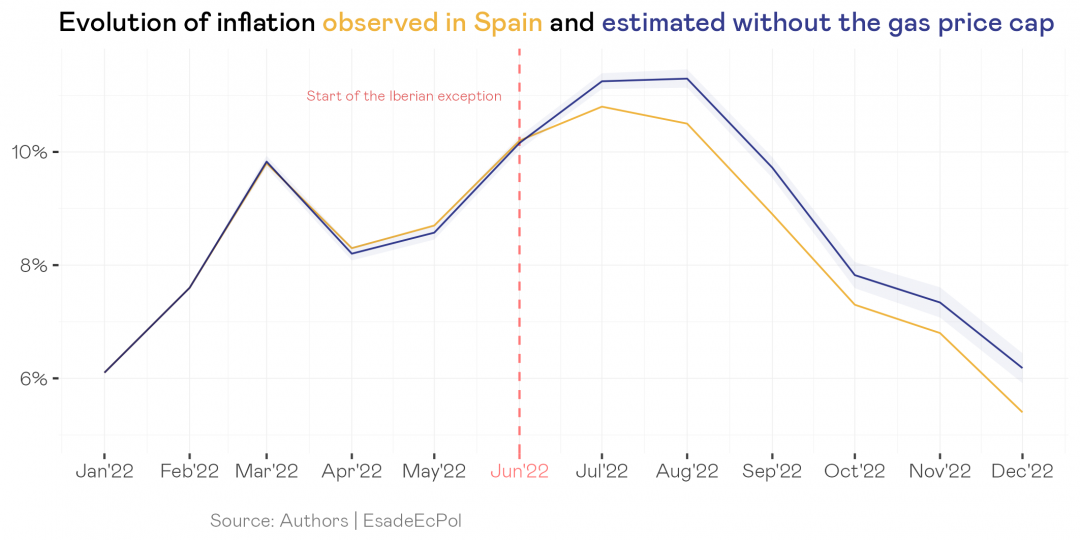
The most notable measure to curb the escalation of electricity prices during 2022 has been the temporary gas price cap implemented in Spain and Portugal. This is a compensation paid to combined cycle gas turbines (CCGT), coal, and cogeneration plants to lower the price offered in the wholesale market, thus seeking a decrease in the […]
30 Sep, 2022
One of the most significant measures enacted so far to moderate the escalation of electricity costs is the gas cap implemented exceptionally in Spain and Portugal. This so-called cap is a compensation paid to electricity companies using this fossil fuel to lower the price offered in the wholesale market. In doing so, it is intended […]
7 Jul, 2022
In this policy brief we present the study that, to date, offers the most detailed analysis of the effect of the discount on fuel prices. To do so, we develop an econometric model that allows us to predict fuel prices with 99% accuracy using daily data from the more than 11,000 service stations in Spain […]

15 Jun, 2022
The European Union is working to establish a carbon border adjustment mechanism (CBAM), so that imported products pay the same price as that now paid by European producers through the existing emission rights trading system (EU ETS). The objective is to level the playing field between local producers and foreign producers that export to the […]

15 JUN, 202216:00 h
La transición verde es uno de los mayores retos de política pública y económica a los que se enfrenta España. Sin embargo, sabemos aún poco hasta qué punto nuestra sociedad está polarizada o dividida en torno a las medidas que debemos abordar, o al menos considerar, para reducir los efectos del cambio climático y descarbonizar […]

15 Jun, 2022
To better understand the consensus and divisions around the crucial challenge of the green transition, EsadeEcPol has conducted a survey that is pioneering in its breadth and depth. Here we present its key results and the resulting snapshot of public opinion. The fundamental consensus begins with the high importance attached to the problem of climate […]
8 Jun, 2022
The new goal of ending EU reliance on Russian energy is in addition to and must be reconciled with the existing goal of decarbonising the Spanish economy. This reconciliation seems obvious in the very long term, but in the short and medium terms, it poses challenges for Spain and other countries: The immediate upward pressure […]

26 May, 2022
The need to align the goals of decarbonisation and energy independence from Russia increases the need for policies to rationalise our energy consumption. The most promising policies for doing so are those that affect the price of energy through taxes and similar instruments, especially for households, individuals and commercial establishments, for two reasons: They maintain […]
7 Apr, 2022
The short- and medium-term effect of the economic decoupling between Russia and Europe resulting from the invasion of Ukraine is a double blow to Spaniards’ purchasing power, combining rising inflation and slowing GDP growth. We expect the crisis to reduce Spain’s expected growth for 2022 by more than 1%, with upside risks. Inflation, for its […]

10 Nov, 2021
¿Cómo queda la foto de las desigualdades causadas por la pandemia, un año y medio después de la eclosión global del virus?

26 Oct, 2021
En el presente documento analizamos al detalle los componentes clave (control de precios, medidas fiscales y aumento de oferta) de la nueva y ambiciosa Ley de Vivienda presentada por el Gobierno.

19 May, 2021
Artificial intelligence is one of the great social and political challenges of our time, and at EsadeEcPol we want to contribute to the debate on how to meet this challenge. To this end, on 5 May we held a webinar to discuss the transformative potential of this technology, the risks it entails and the need […]