Publications
21 October 2026
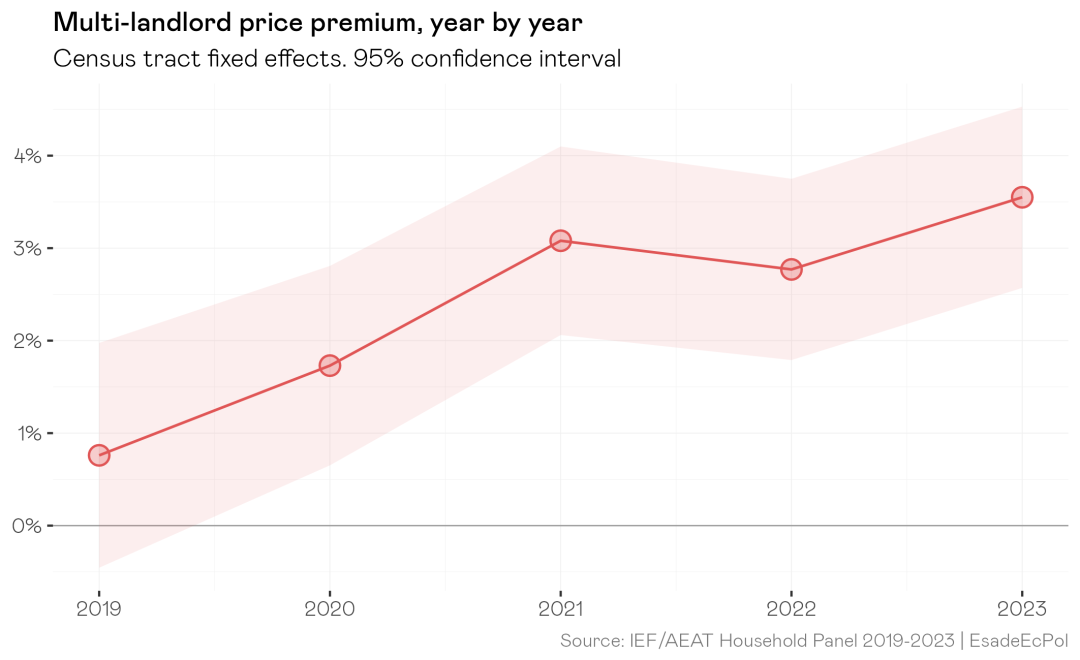
This report uses microdata from the IEF/AEAT Household Panel (788,033 cadastral reference-year observations between 2019 and 2023) to study whether dwellings owned by households with two or more rented dwellings (multi-landlords) are let at different prices from those owned by households with only one (single landlords), what explains that difference and what share of the […]
23 September 2026
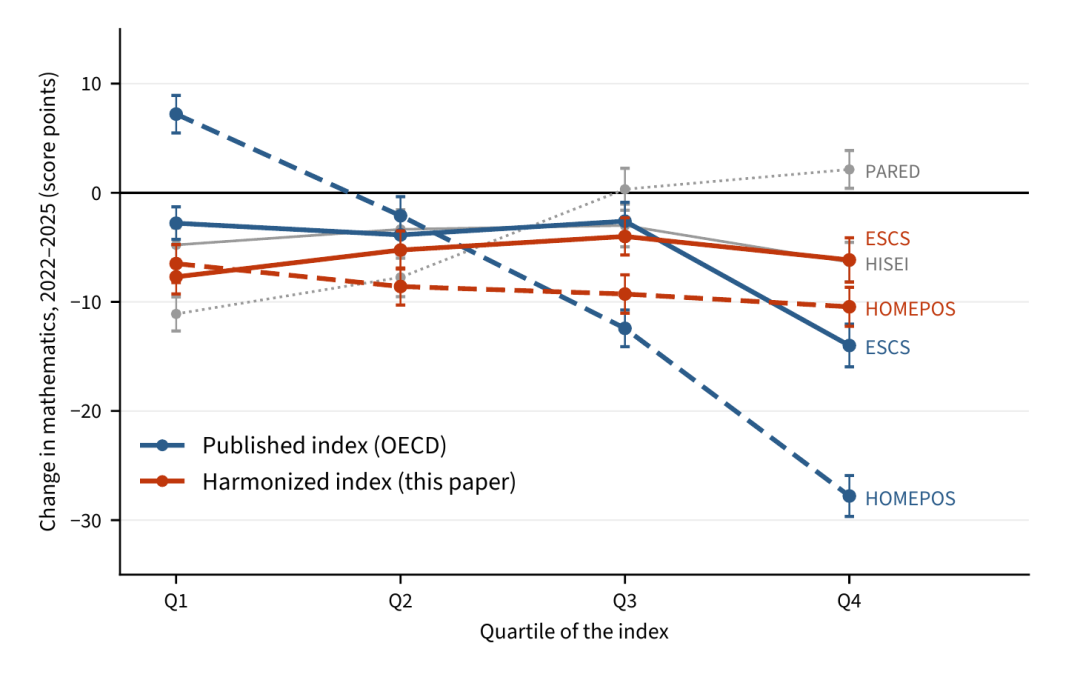
Working paper in collaboration with Innovamat Research Lab PISA 2025 Volume I (OECD 2026a) reports that the socioeconomic gap narrowed between 2022 and 2025 because advantaged students declined most — “a new phenomenon of affluent students who struggle academically”. However, this pattern is explained by the changes in how the index of economic, social and […]
16 September 2026
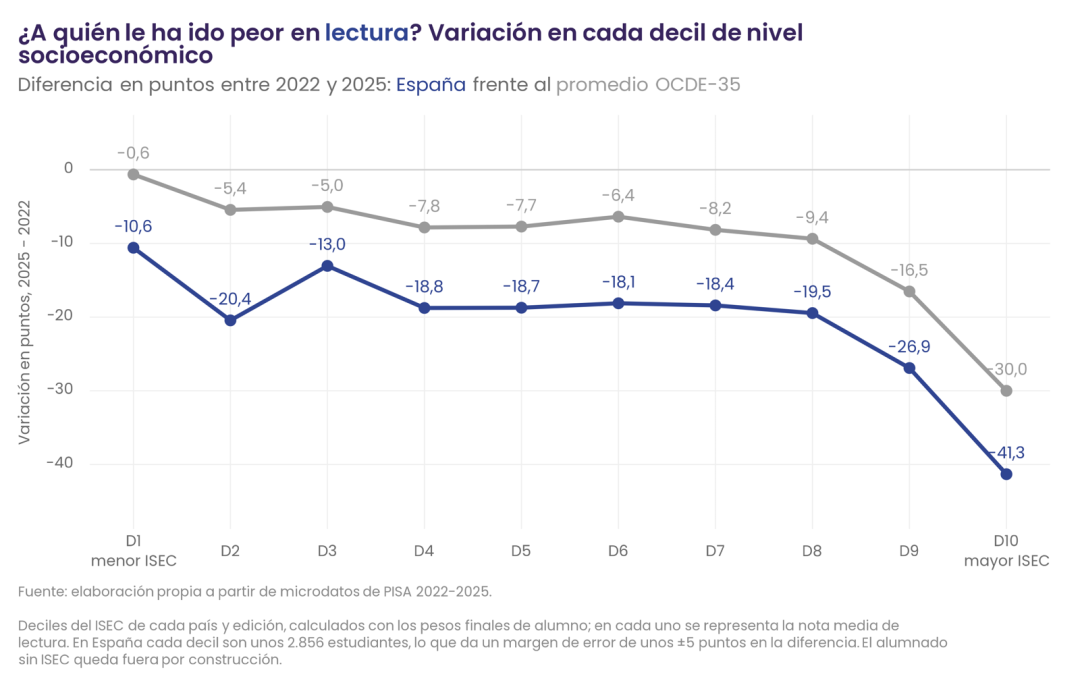
What this report does This report assesses the state of equity, or equality of opportunity, in education in Spain and its autonomous communities, based on an original and detailed analysis of the PISA 2025 microdata. Describing and understanding educational equity in depth is highly relevant for a country’s social and economic future, for young people’s […]
22 July 2026
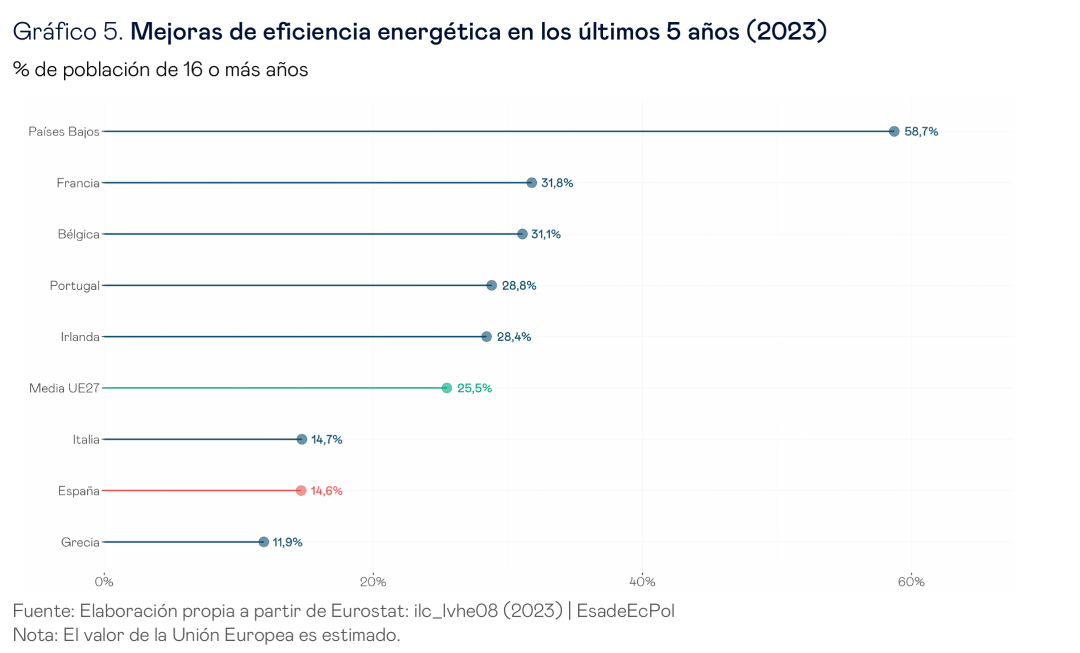
Adapting homes to use the energy consumed by the household that lives in them as efficiently as possible is one of the factors that most determines their living conditions, and its importance keeps growing: rising energy prices have increased the cost of living in an inefficient home, and climate change is intensifying thermal stress, above […]
14 July 2026
Every six months, with the support of Banco Sabadell, Esade publishes its Economic and Financial Report, which now reaches its 39th edition under the title “Energy capabilities for a new economic era.” With it, Esade upholds its commitment to contributing to public debate through rigorous, plural analysis that, as a leading school backed by its […]
2 July 2026
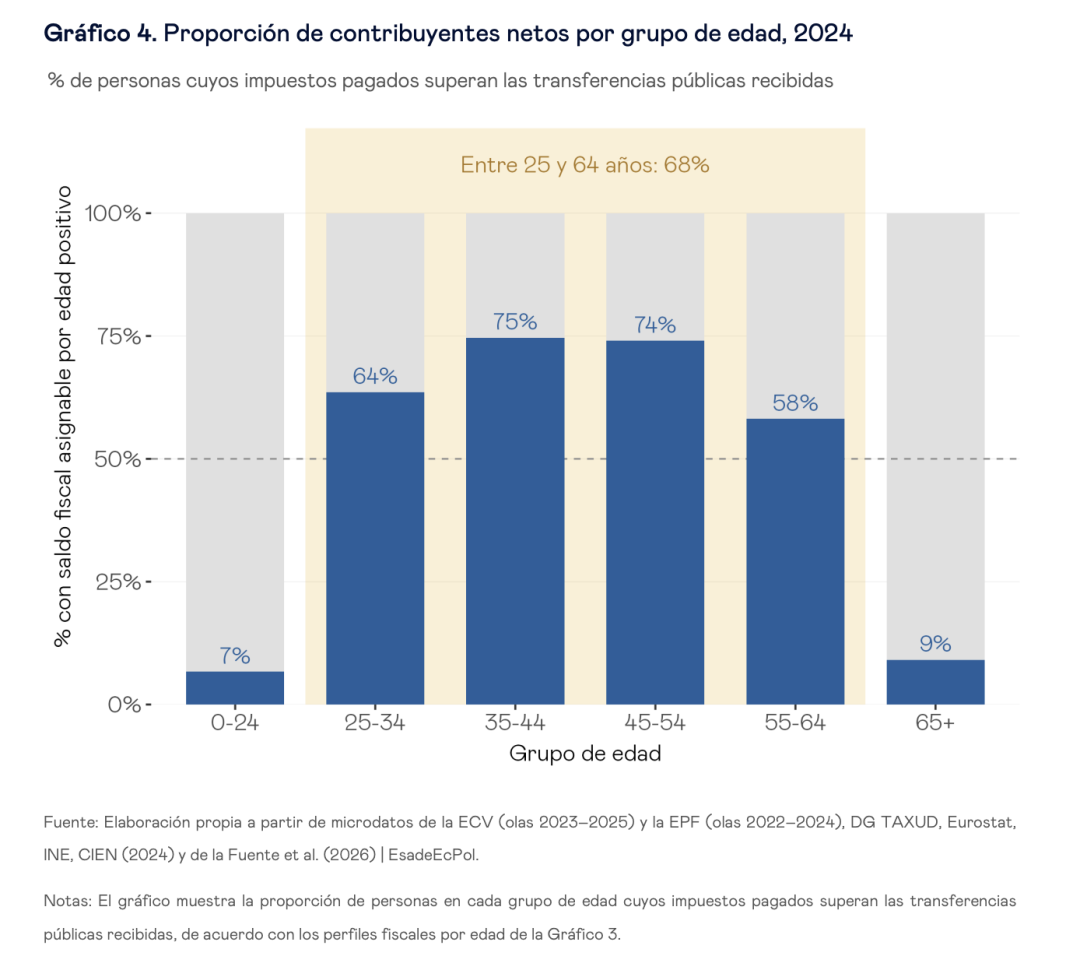
Population ageing poses one of the most significant fiscal challenges Spain will face over the coming decades. This policy brief applies the National Transfer Accounts (NTA) methodology to quantify how the taxes paid and public benefits received are distributed across the life cycle in Spain in 2024. The fiscal life cycle: → A representative individual […]
25 June 2026
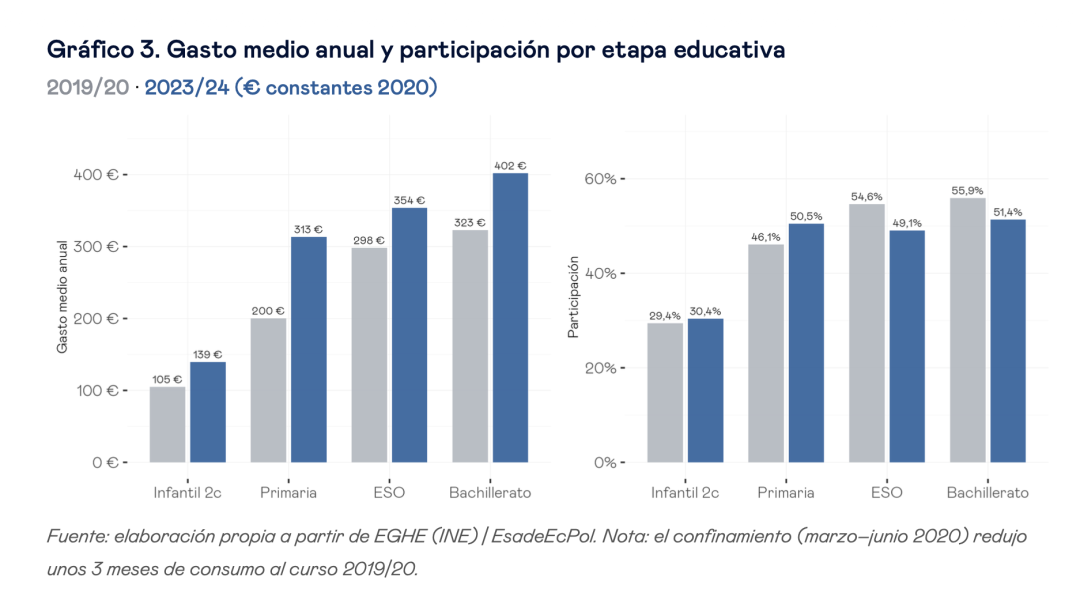
This report analyses the state of Shadow Education (SE) in Spain using the latest available wave of the National Statistics Institute’s (INE) Household Education Expenditure Survey (EGHE 2023/24) and compares it with the immediately preceding available wave (2019/20), analysed in detail in the EsadeEcPol report by Moreno and Martínez (2023). We find that aggregate spending […]
16 June 2026
Supported by Google ↓ Download the full report A new wave of AI-based tools is arriving on the heels of two decades of ICT in Spanish classrooms. Access, regulation, and investment are largely in place; whether this wave translates into improved learning depends on robust, evidence-based implementation. Basic evidence on what would work Lessons learned […]
26 May 2026
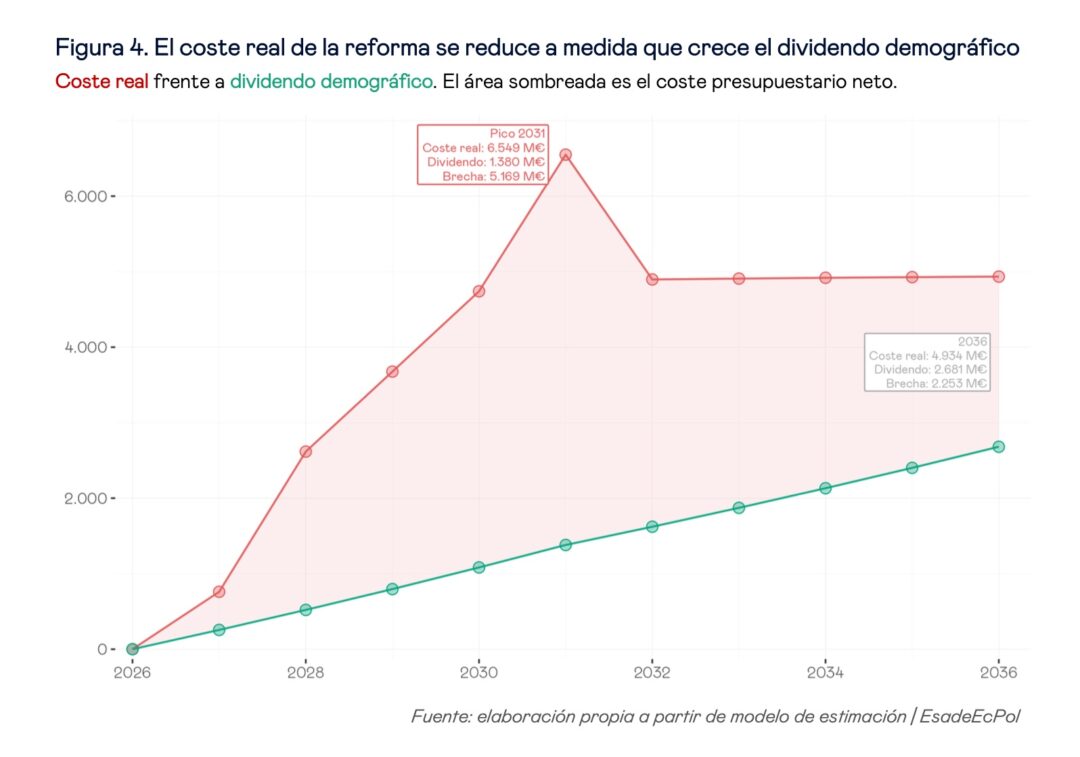
In Spain, the maximum number of pupils per classroom is 25 in Primary education and 30 in lower secondary education (ESO). On 11 November 2025, the Ministry of Education, Vocational Training and Sport (MEFPD) presented the draft Bill to reduce the maximum class size to 22 pupils in Primary and 25 in ESO, and to […]
16 April 2026
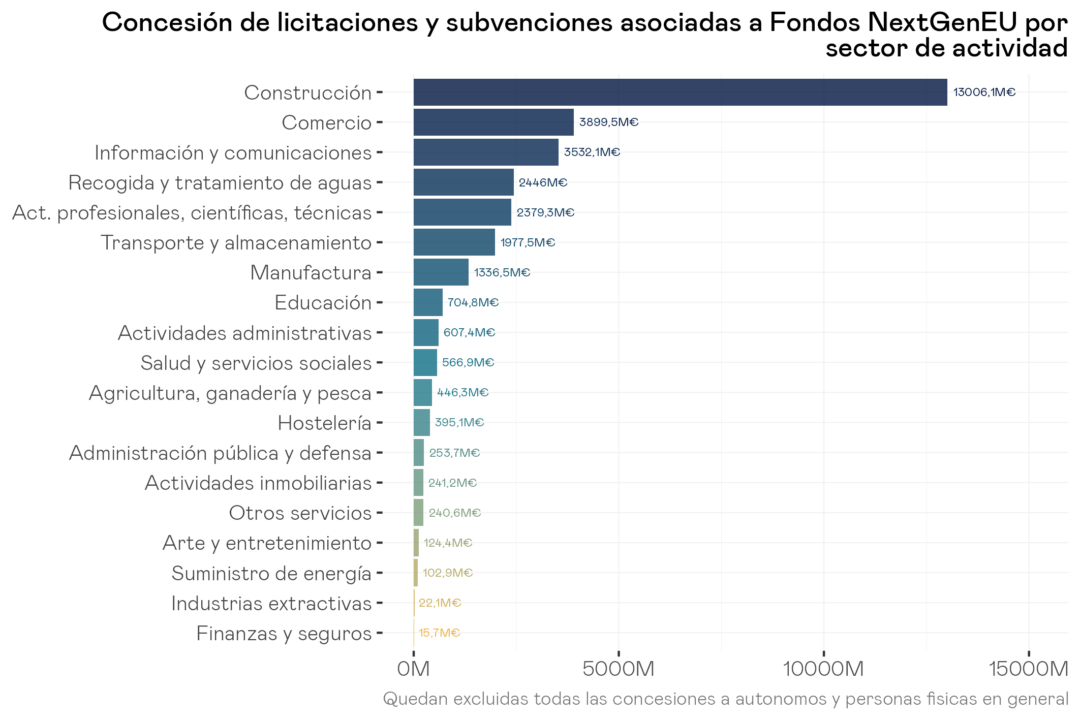
With the execution deadline of August 2026 already in sight, EsadeEcPol presents the update of its NextGenEU Tracker with data as of 12 March 2026. The report examines a programme entering its final sprint: progress is substantial, but the gap between called and awarded funds, fund concentration, and administrative bottlenecks pose critical challenges in the […]