Taxation
Intergenerational transfers and the demographic challenge
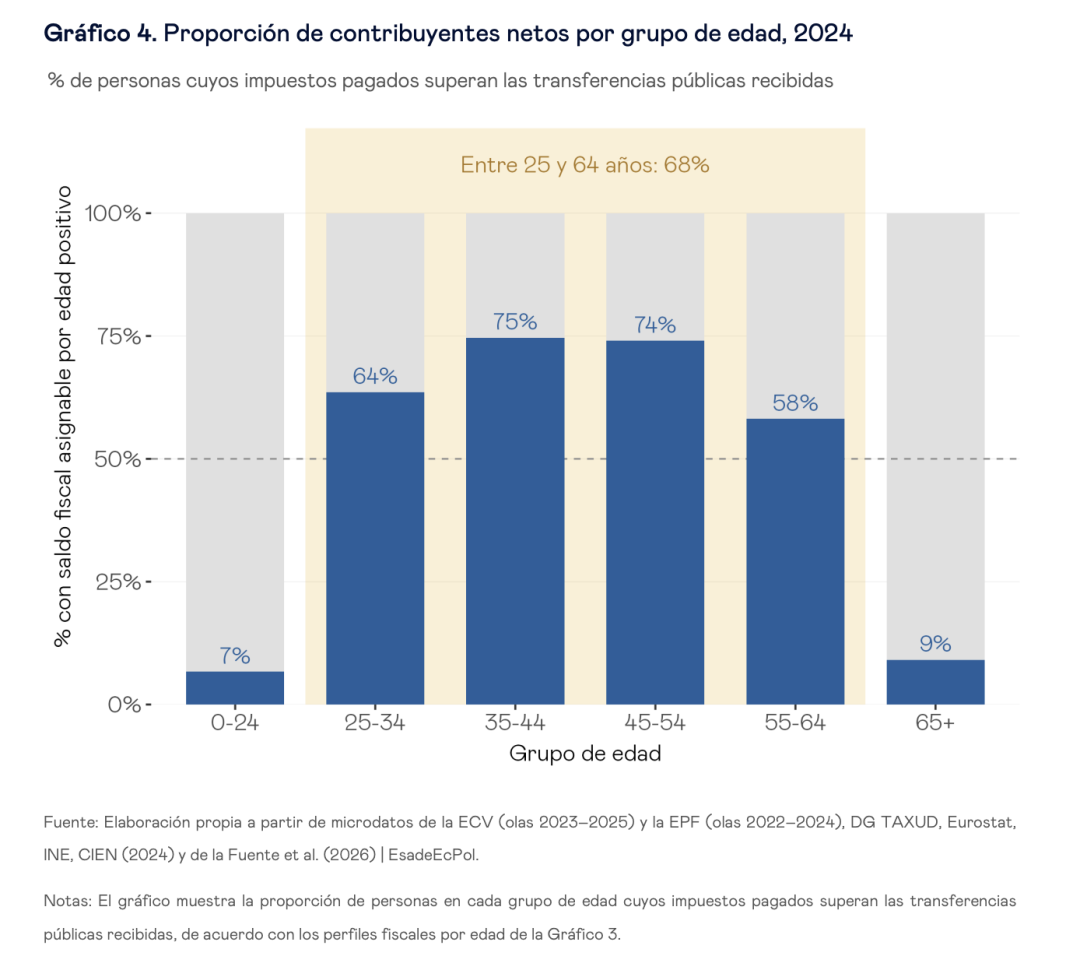
Population ageing poses one of the most significant fiscal challenges Spain will face over the coming decades. This policy brief applies the National Transfer Accounts (NTA) methodology to quantify how the taxes paid and public benefits received are distributed across the life cycle in Spain in 2024. The fiscal life cycle: → A representative individual […]
Miguel Almunia, Pablo García-Guzmán
2 July 2026
Read more
21 March 2024
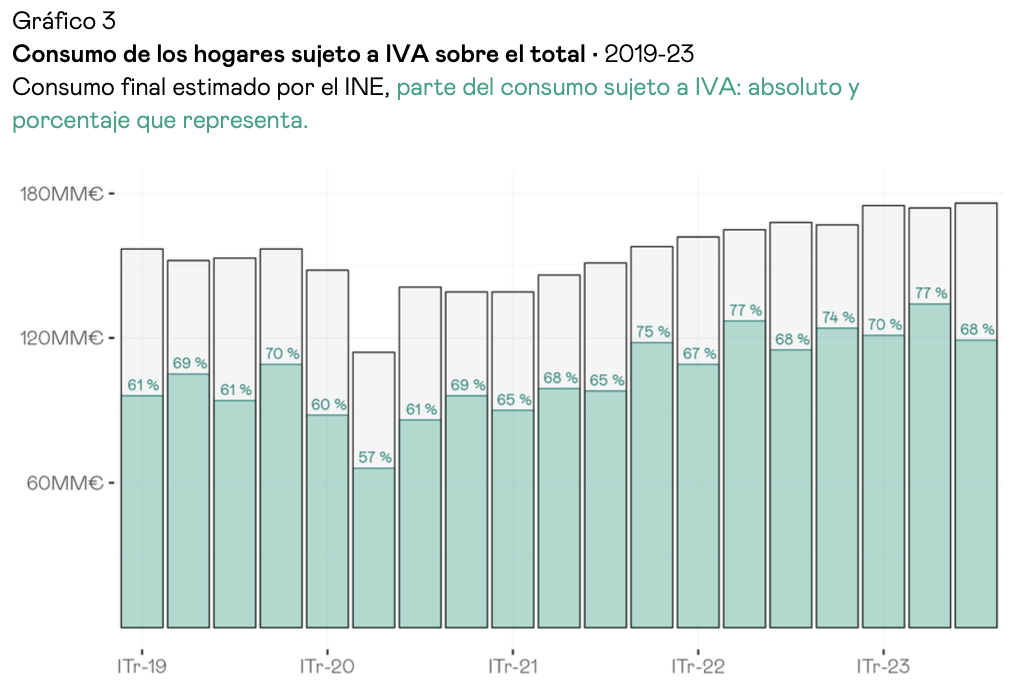
In 2020, the fall in tax revenues exceeded the fall in GDP, with a probable growth of the underground economy in tandem with the decline in economic activity. In contrast, the growth in tax revenue between 2021 and 2023 exceeded forecasts, reaching above pre-pandemic levels. To explain this unexpected growth, this study considers the emergence […]
The effects of tobacco taxation in Spain: a study of the importance of the substitution effect in the 2008-2012 period
2 December 2023
The effects of taxes on the consumption of goods with negative externalities have, for more than a century now, received considerable attention from economic research and also from national policymakers. However, studying the effect of taxes on these products poses a considerable methodological challenge for two reasons: i) the limited availability of public data on […]
The VAT cut on basic foodstuffs: evaluation and recommendations
30 March 2023
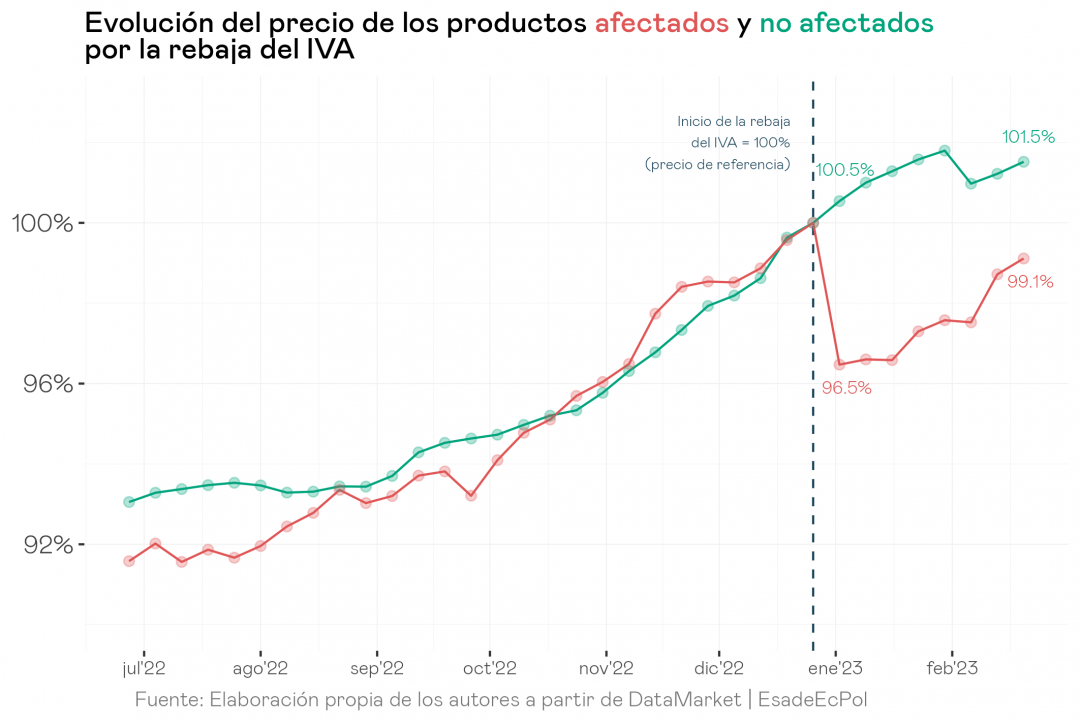
Inflation is causing a severe loss of purchasing power for many families in Spain, especially those on lower incomes. In response to this problem, on 1 January 2023 the Spanish government decided to cut VAT on essential foodstuffs from 4% to 0%, while other basic foods (such as uncooked pasta or oil) went from 10% […]
The effects of inflation on personal income tax for lower-middle incomes and how to cushion them better
28 February 2023
The progressivity of the Spanish tax system rests mainly on personal income tax (IRPF). However, the marginal rate that expresses this progressivity behaves erratically: it goes from 0% up to 15,000 euros to increasing by 43 points at low income levels, and then falls again for middle incomes. The most extreme example of this anomaly […]
Los efectos del aumento del IVA en el consumo de las bebidas azucaradas en España
29 November 2022
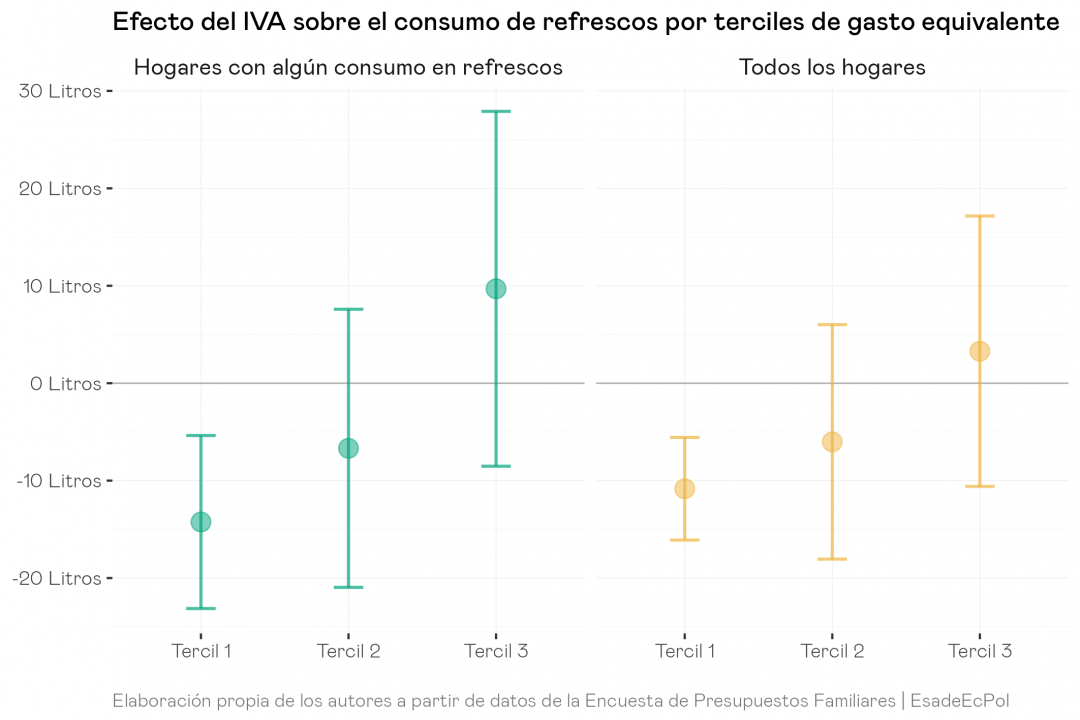
Este policy brief es un resumen del working paper académico realizado por Ángel Martínez Jorge y Javier Martínez Santos que podéis encontrar aquí. Los impuestos sobre el azúcar se han consolidado como la medida de referencia para desincentivar el consumo de un producto que se considera fuertemente asociado a la obesidad, especialmente la infantil. En […]
Heterogeneous response and spillover effects of sugar-sweetened beverage taxes
29 October 2022
In this paper we evaluate the tax on sugar-sweetened and artificially sweetened beverages by exploiting a natural quasi-experiment in Spain: in 2021 an increase in Value Added Tax was introduced in all regions of Spain except a few that do not have VAT. These regions serve as a control group, offering a unique opportunity in […]
Cómo compatibilizar el impuesto español a las energéticas y el que propone la Comisión Europea: un análisis comparado de las normas
19 September 2022
Una comparación entre el impuesto a las energéticas propuesto desde la Comisión Europea y el vigente en España arroja seis diferencias clave: El alcance del gravamen español es diferente al europeo: el español incluye a las compañías eléctricas, pero excluye a las de carbón y las de petróleo y gas de menor tamaño en sus […]
How has the fuel discount affected prices at service stations?
7 July 2022
In this policy brief we present the study that, to date, offers the most detailed analysis of the effect of the discount on fuel prices. To do so, we develop an econometric model that allows us to predict fuel prices with 99% accuracy using daily data from the more than 11,000 service stations in Spain […]
Income Inequality and Redistribution in Spain: New Evidence Based on the World Inequality Lab Methodology
22 June 2022
Income inequality has increased in many developed and developing countries over the last four decades, which has generated growing interest from the academic and policy communities in its measurement and determinants. The standard source for measuring income inequality and redistribution is household surveys, which tend to underestimate top incomes and do not capture countries’ […]
Qué hacer para bajar los precios de la luz: III. Los otros mecanismos: cargos, impuestos y transferencias
20 November 2021
Para finalizar la serie, abordaremos los mecanismos complementarios más importantes para lograr el que en realidad es (o debería ser) el objetivo último de las preocupaciones políticas sobre el precio de la luz: un resultado justo y equitativo en el acceso a un bien tan básico como es la energía eléctrica. Los cargos Los cargos […]
Políticas efectivas para reducir el consumo de azúcar entre los menores de edad
30 October 2021
En una frase: si queremos reducir el consumo de azúcar entre los menores, la política más prometedora no es regular la publicidad sino establecer impuestos sobre alimentos azucarados. El Ministerio de Consumo ha planteado una nueva norma destinada a limitar la publicidad de dulces y bebidas azucaradas dirigida a menores de 16 años. La norma, […]
Una propuesta para mejorar la eficiencia de los impuestos especiales en España: tabaco y bebidas azucaradas
16 September 2021
La fiscalidad sobre los impuestos especiales en España no debería quedar fuera de la reforma fiscal que planea el gobierno. Los impuestos al tabaco y a las bebidas azucaradas son particularmente importantes dentro de esta categoría por su capacidad recaudatoria y su impacto sobre la vida cotidiana.