Green transition
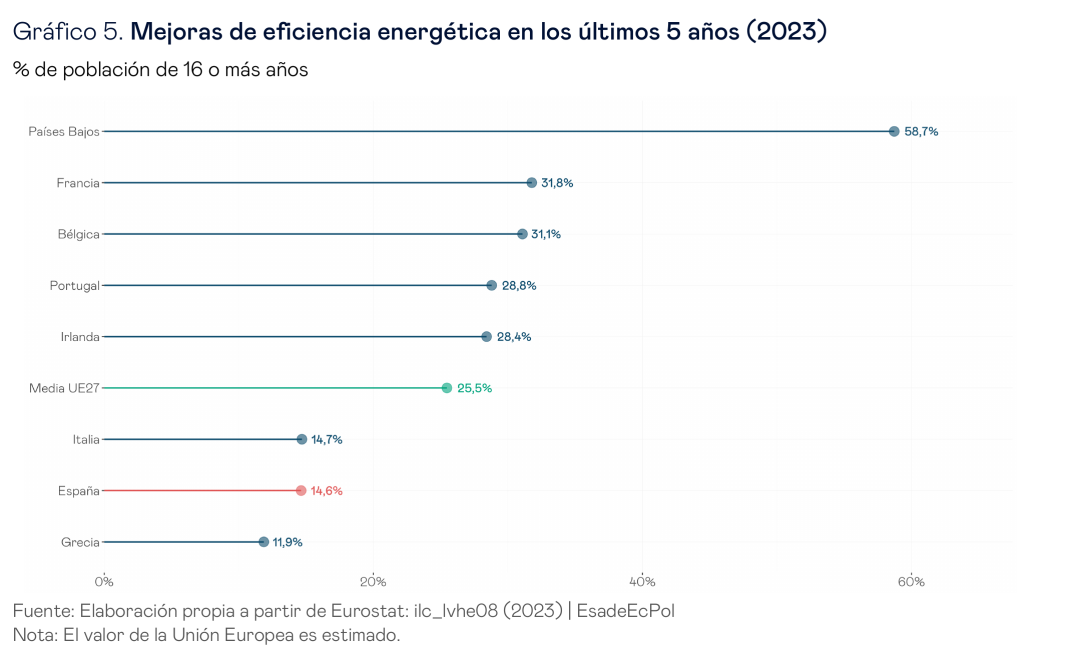
An X-ray of the reforms to improve the energy efficiency of homes in Spain
Adapting homes to use the energy consumed by the household that lives in them as efficiently as possible is one of the factors that most determines their living conditions, and its importance keeps growing: rising energy prices have increased the cost of living in an inefficient home, and climate change is intensifying thermal stress, above […]
Isabella Becerra, Jorge Galindo
22 Jul, 2026
Read more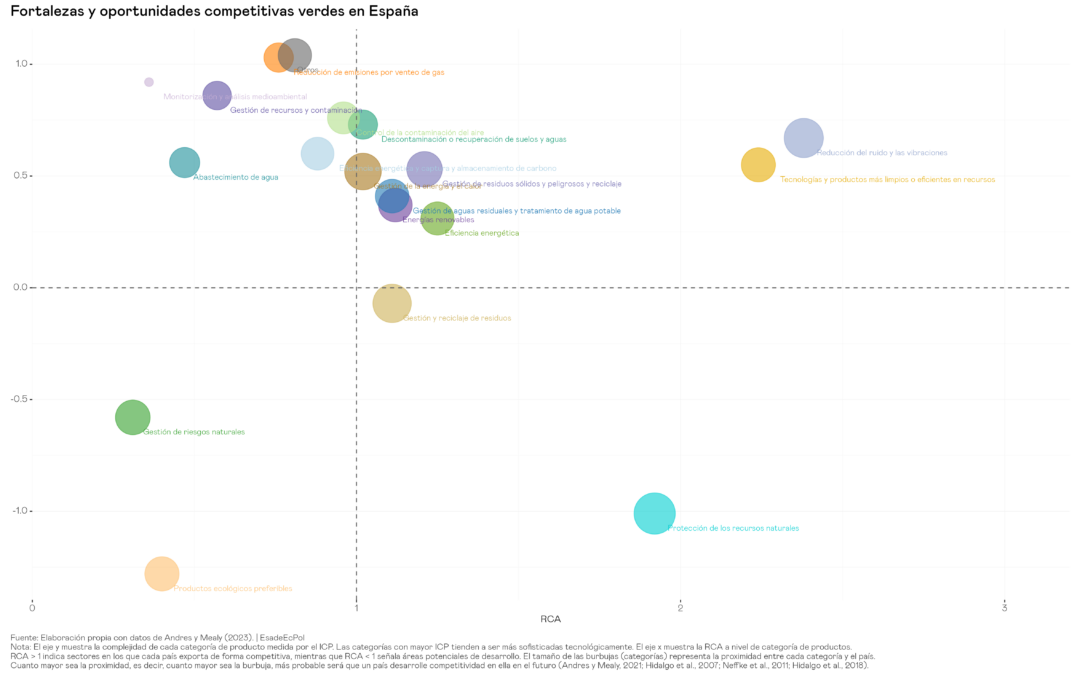
18 Sep, 2025
This report examines Spain’s position in the green economy, analysing its productive capabilities, the competitiveness of its exports and its diversification potential. To do so, it draws on R&D investment data and on the Green Transition Navigator to identify opportunities for Spain to thrive in green export markets amid the global energy transition. Spanish R&D […]

1 Mar, 2025
Decarbonization, inevitable in the current context, presents an opportunity to develop technologies that drive the energy transition. While Spain has experienced a decline in its industrial sector, the shift to a decarbonized economy opens a window to reverse this trend. The goal is not just reindustrialization but doing so in high-value-added sectors that promote quality […]
28 Feb, 2025
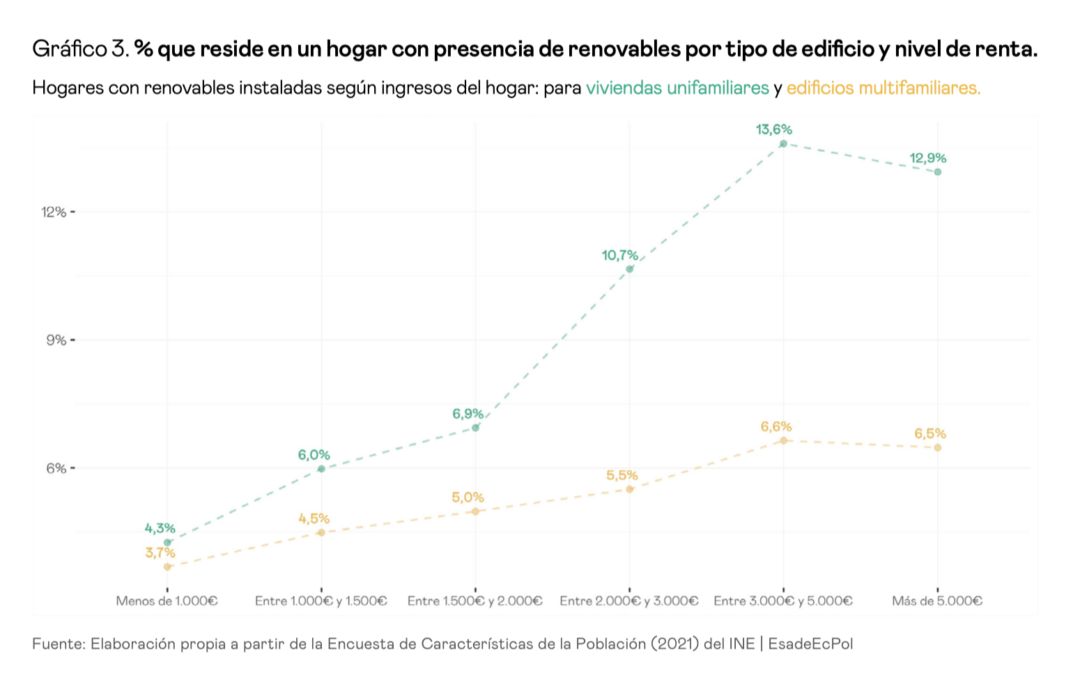
The adoption of cleaner or more efficient technologies usually occurs earlier in higher-income households or those defined by other variables facilitating the costs associated with such adoption. In a context where the shared objective is decarbonizing the economy, public policy should ensure that adoption is as comprehensive and equitable as possible, making these technologies equally […]
30 Jan, 2025
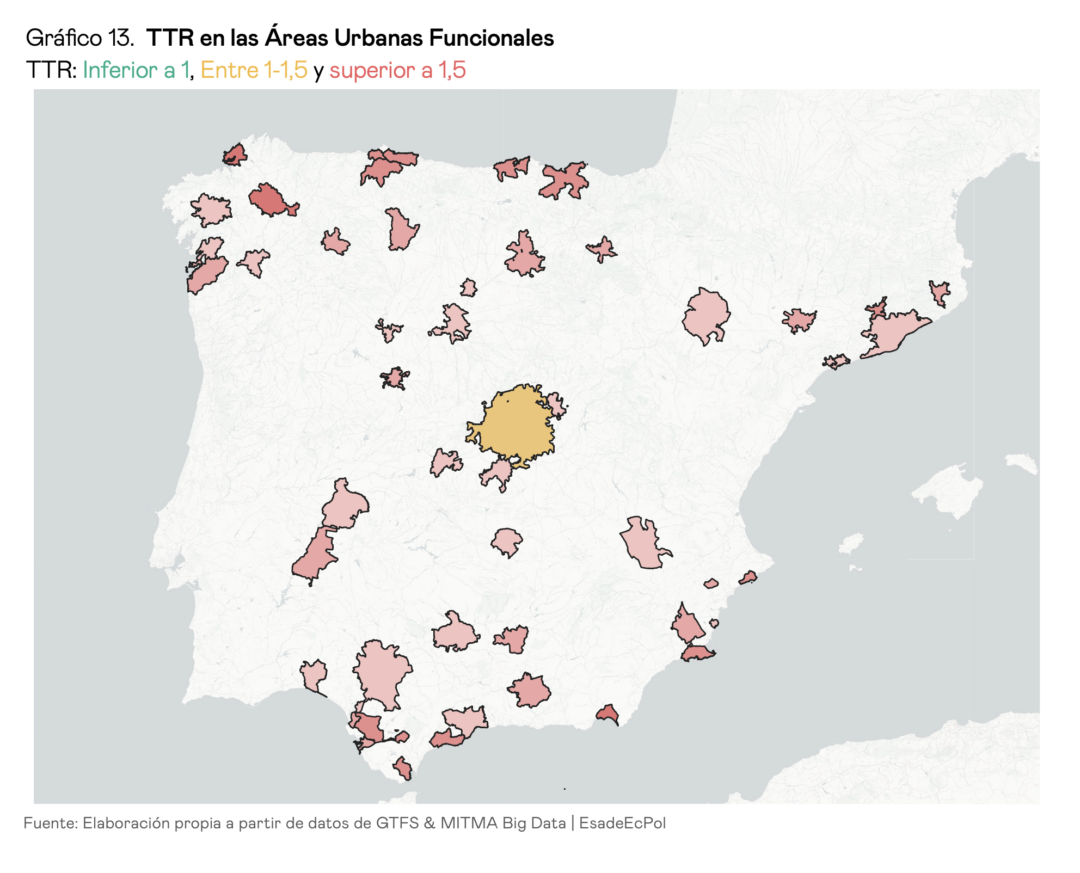
Spain has set very ambitious goals for the decarbonization of the transport sector: a 34% reduction in CO2 emissions by 2030, 60% by 2040, and 90% by 2050. In the long term, structural changes (development of railway infrastructure, penetration of electric vehicles, modification of transport supply and demand…) will play a central role in achieving […]

12 Jan, 2024
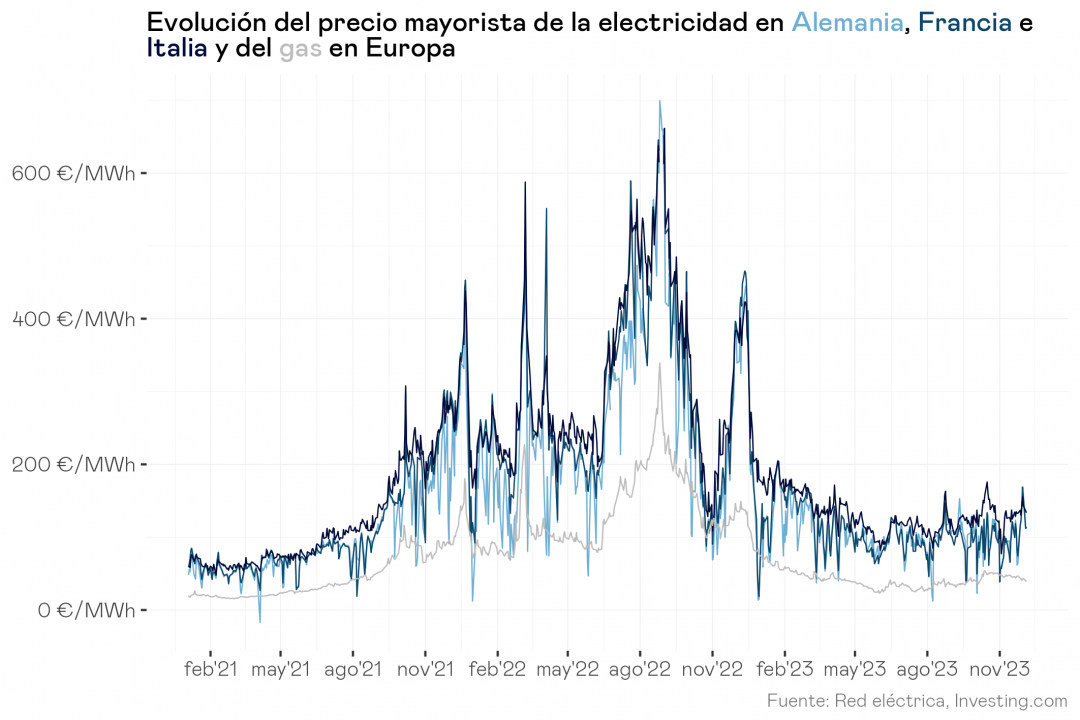
The functioning of the European electricity market needs new instruments to encourage investment in large-scale renewable energy projects and storage. Although in theory markets such as the European could incentivize investment, in practice they have failed to do so. In fact, at a certain point of maturity, the price decline in the electricity markets reduced […]
29 NOV, 2023
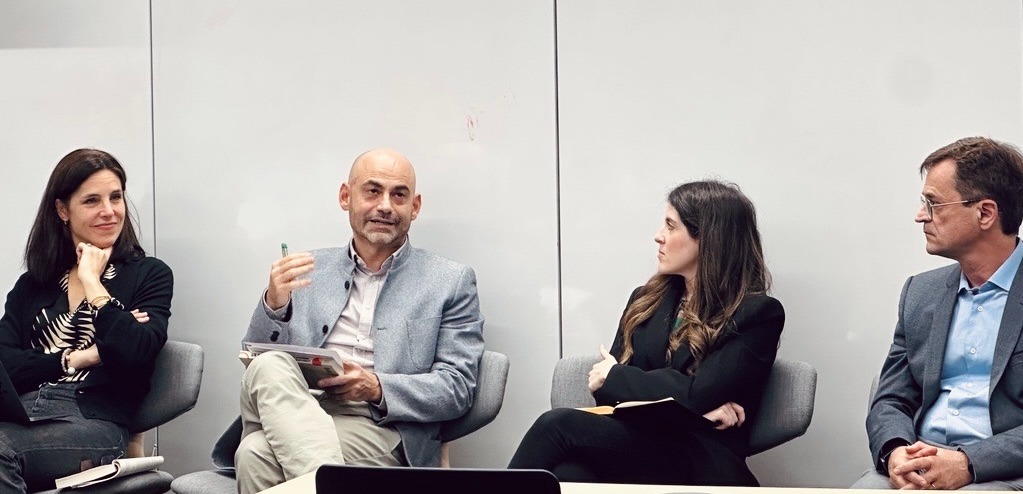
Last Tuesday, November 28th, we talked about our book “Un País Posible: Manual de Reformas Políticamente Viables” (Un País Posible: A Handbook of Politically Viable Reforms) thanks to the invitation of the Harvard Kennedy School Spain Alumni Network. The conversation counted with the interventions of Toni Roldán, Miguel Almunia, Marta Suárez-Varela and Antonio Cabrales and […]
23 Nov, 2023
The urgent need for decarbonization has broadened the scope of transportation policy from improving network conditions, such as reducing congestion or improving accessibility, to include sustainability considerations, promoting zero-emission mobility, and climate change adaptation measures. While these measures are critical in reducing the carbon footprint of the transportation sector, they can also have unintended social […]
17 Nov, 2023
As the volatility of short-term energy market prices increases due to exogenous shocks and the changing nature of the energy mix market interventions are gaining importance in the policy debate. Accurate and robust quantification of their impact is becoming therefore essential. This paper conducts a causality analysis to evaluate the Spanish ‘gas cap’ for electricity […]
18 Oct, 2023
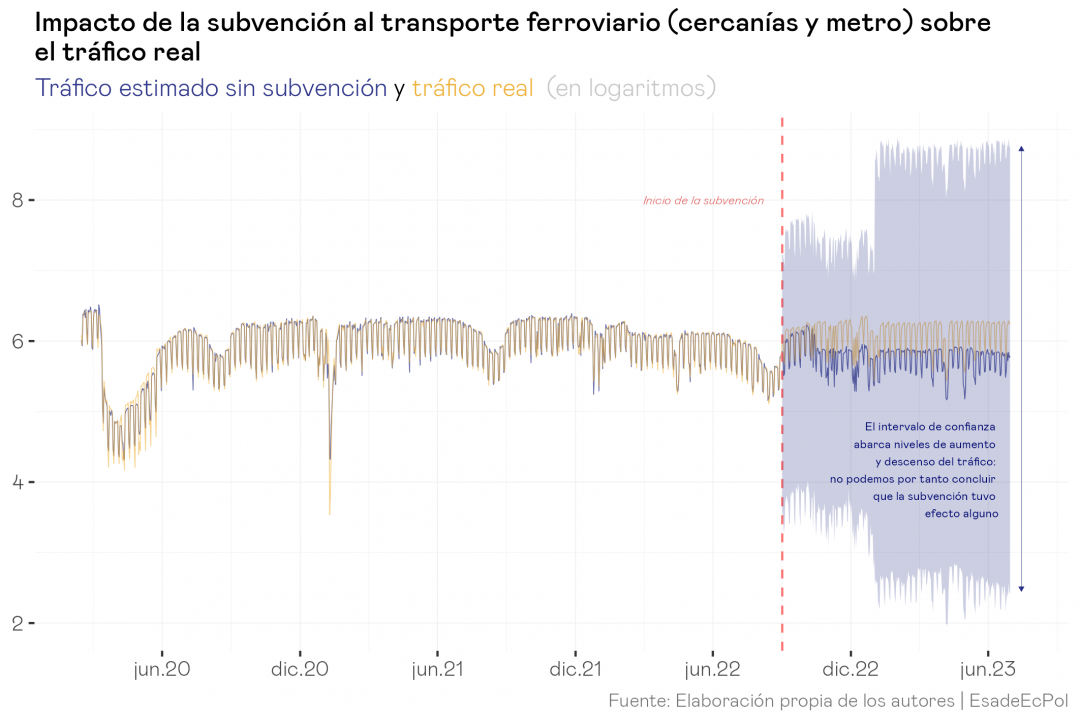
Key ideas → With the available evidence, we cannot claim that the subsidy for metropolitan rail transport has reduced the number of cars on the streets of Madrid. → Nor is there any effect for the areas with the highest traffic intensity, lower (or higher) income levels, the main access roads to the city (M-30), […]
10 Oct, 2023
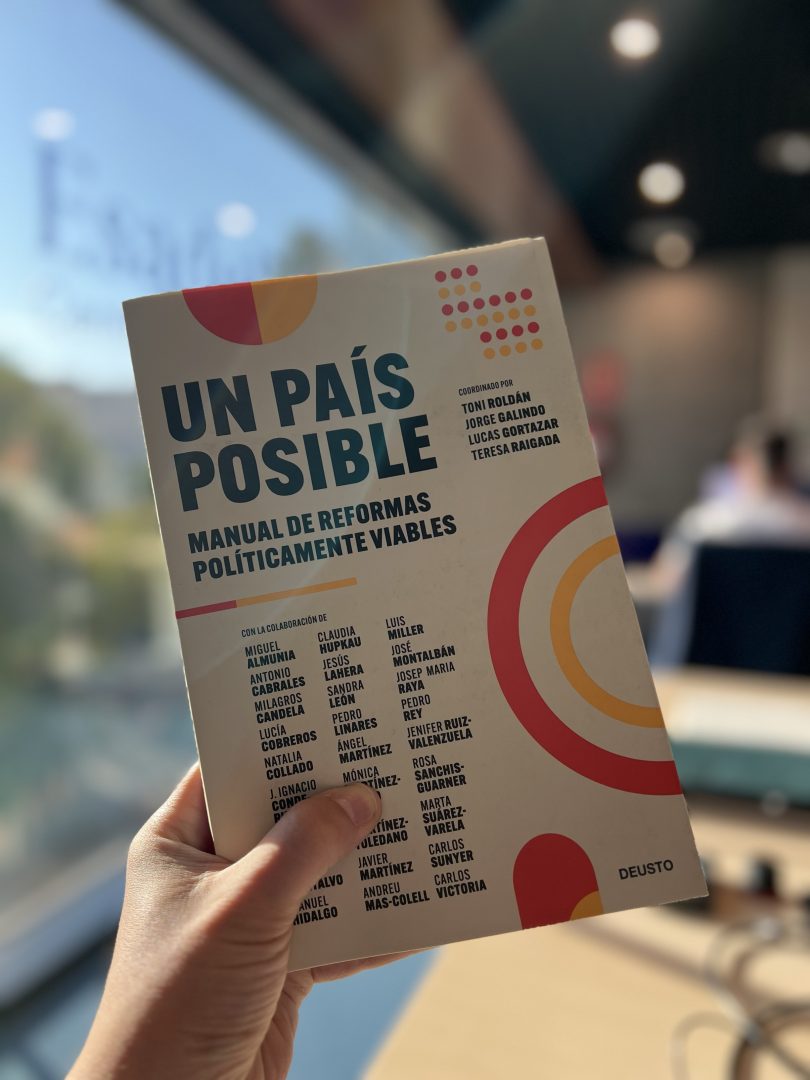
Spain has practically the same real per capita income as 15 years ago, while other countries around us are much richer than they were then. This means that over the last eighteen years we have not improved our average standard of living. We are therefore on the road to two lost decades. There are many […]
13 SEP, 2023
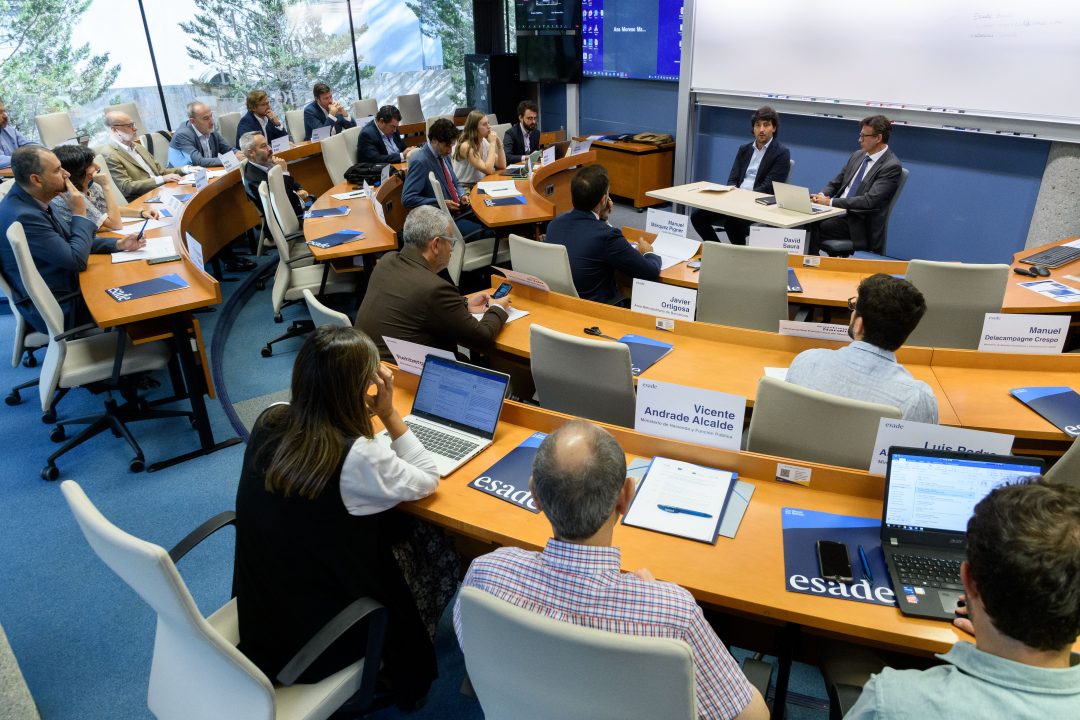
Ayer se celebró el Workshop – Cómo avanzar en la planificación sostenible y socialmente responsable del transporte metropolitano de EsadeEcPol en colaboración con JASPERS (Joint Assistance to Support Projects in European Regions) – 1 Banco Europeo de Inversiones (BEI) en Esade Madrid. Se reunieron diferentes expertos y policymakers en el campo del transporte sostenible […]