Responsible consumption and sustainability: topics of debate at ESADE's 2nd Solidarity Day
ESADE recently celebrated the second edition of Solidarity Day, a social debate forum that brought together executives, scholars and other experts to raise awareness in the community on issues of importance to society. This edition of the event focused on the issues of responsible consumption and sustainability from three perspectives: elimination of plastic, food waste and fair trade.
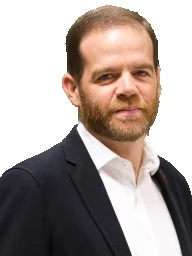
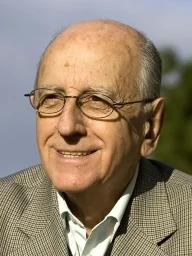
Juan Ramis-Pujol, director of the Nixe III project and Lecturer at ESADE, and Rafael Sardà, researcher at the Spanish National Research Council (CSIC), collaborator on the Nixe III project and Associate Professor at ESADE, opened the second edition of Solidarity Day with a talk entitled “The Effects of Plastic on the Oceans. “The increasing use of plastic is one of the main problems we face, explained Prof. Sardà. “Each year, some 325 million tons of plastic are produced, of which 12 million tons end up in the oceans. Mr. Ramis then discussed the Nixe III project, which has studied the transformation of the Mediterranean Sea over the last hundred years. “The main lesson learned from this study is that our ancestors were great experts in sustainability, said Mr. Ramis. “They had few resources and learned to use them in the best way possible.
Prof. Sardà discussed the effects of plastic on the oceans, which include the death of marine animals and birds, pollution of oceans and coasts, and reduced ocean productivity due to organisms ingesting polluting plastics. “Companies need to recognise the problem and commit to corporate sustainability 3.0, which means doing business while increasing the resilience of social and ecological systems, argued Prof. Sardà.
Food waste: don’t throw food away
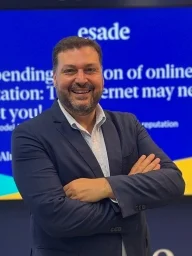
“The notion that there is not enough food on the planet for everyone is a lie, declared Manuel Bruscas, food waste expert and ESADE alumnus, who spoke about the issue of food waste during the second part of the Solidarity Day programme. “We’re living in a world where one out of every ten people goes hungry and a third of the food we produce goes to waste.
According to Mr. Bruscas, we all waste food, even though we may not want to admit it: “Restaurants in Spain throw away an average of 2.5 kilograms of food each day. With special deals and discounts, supermarkets encourage consumers to compulsively buy more than they really need. What’s more, supermarket shoppers don’t buy fruits and vegetables that they consider ‘ugly’, so those products end up being thrown away. Mr. Bruscas explained that the challenge is to raise awareness about food waste and change the law – like France did last year – to prevent supermarkets from wasting food.
Fair trade
The last part of the programme focused on fair trade. Mariona González, Corporate Partnership Coordinator at Oxfam Intermón, Rosaura Serentill, General Manager of Banc de Recursos, and José María Medina, Director of Prosalus, discussed some of the actions that their respective organisations are taking to promote fair trade. “In order to change the current model, we must be aware of all products we consume – both edible and textile – and make sure they are produced under acceptable working conditions, commented Ms. González. Mr. Medina noted: “With the amount of food that is wasted, we could feed two billion people. Finally, Ms. Serentill declared: “The first step is to reduce food waste and the second is to reuse all excess material.
Next, Alexandra Mitjans, Director of Ashoka Catalonia, Director of Institutional Relations for Ashoka Spain and ESADE alumna, gave a talk on the impact of Ashoka’s “changemakers on responsible consumption. Ms. Mitjans discussed the actions of six social entrepreneurs who are fighting for a fairer world and promoting positive change.
Solidarity Day is an annual initiative of ESADE to raise awareness in the academic community about the social reality that surrounds us, to promote reflection, and to spark interest in participating in cooperation initiatives, volunteering, and various solidarity projects organised by ESADE and ESADE Alumni.