Juan Manuel González (Siro Group) at ESADE Madrid: ''Companies will not survive if society does not want us to exist''
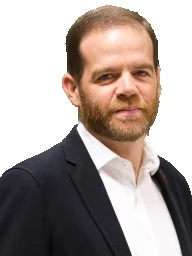
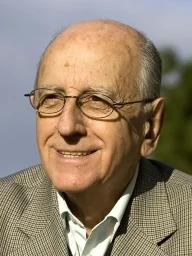
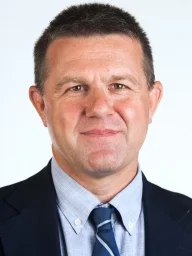
Ana Sainz, Director of the SERES Foundation, delivered the opening remarks, highlighting the evolution of corporate social responsibility (CSR) over the course of the economic crisis. She commented that the crisis had affected companies and their strategies in various ways. After Ms. Sainz’s remarks, Ignasi Carreras, Director of the ESADE Institute for Social Innovation, presented the three speakers: Juan Manuel González, President of the Siro Group; José Manuel Machado, President of the Ford Group in Spain; and Francisco Mesonero, Director General of the Adecco Foundation.
Relevance of CSR in companies
In response to a question from the moderator, Ignasi Carreras, the three executives reflected on the importance of CSR within the global strategy of their respective companies. Mr. González noted that the Siro Group – one of Spain’s largest business groups in the food sector – has made a clear commitment to pursuing CSR in a profitable, sustainable way. He argued that “CSR should be abandoned in favour of the term “profitable social commitment, which conveys the notion of sustainably working to include people at risk of exclusion. Mr. Mesonero argued that CSR strategies should be transversal, involving the corporate culture with the clear support of the company’s upper management. He noted that the Adecco Foundation is transferring these principles to the supply chain. Finally, Mr. Machado echoed the other speakers’ remarks while commenting on how the Spanish Ford subsidiary, with approximately 9,300 employees in Madrid, approaches CSR. He highlighted the importance of Ford’s CSR initiative, which comprises programmes and activities focused primarily on people with disabilities.
CSR lessons learned during the crisis
“After the crisis, we must be even more coherent, said Mr. González during his comments on the lessons learned at the Siro Group throughout the economic crisis of the past eight years. “We cannot think in one way before the crisis and in quite another afterward. Companies will not survive if society does not want us to exist. Through the crisis we have certainly learned consistency and maturity. Either you are essential to society or you do not exist. Mr. Mesonero commented: “At the Adecco Foundation, we have learned a lot during the crisis, but our main concern now is to bring this to our customers in order to select talented people regardless of gender, age or ability. He also stressed the importance of the Adecco Foundation’s attempts to “promote employment for people over 45 years of age, who account for 43% of Spain’s talent pool – 9% in the case of disabled people and 20% in the case of under-represented women.
Mr. Machado agreed with the other speakers and added that, for Ford Spain, the economic crisis had been a catalyst for creating opportunities. By way of example, he mentioned Ford Adapta, a programme developed in conjunction with the ONCE Foundation that allows people with disabilities to pre-order adapted vehicles – something that was unthinkable just a few years ago. Mr. Machado also noted that the crisis had allowed his company to move forward and impose order in many aspects of the organisation. Finally, he commented on the progress made in conversations with trade unions.
During the question-and-answer session, the speakers agreed on the need to increase dialogue with other company areas and reiterated the importance of CSR activities. Ms. Sainz expressed the importance of measuring and evaluating the importance of CSR actions. She explained that the SERES Foundation had taken several rounds of measurements that considered three areas of impact: growth, return on investment, and risk management.