Education
Explaining the learning decline in PISA 2025 by socioeconomic quartiles through methodological changes
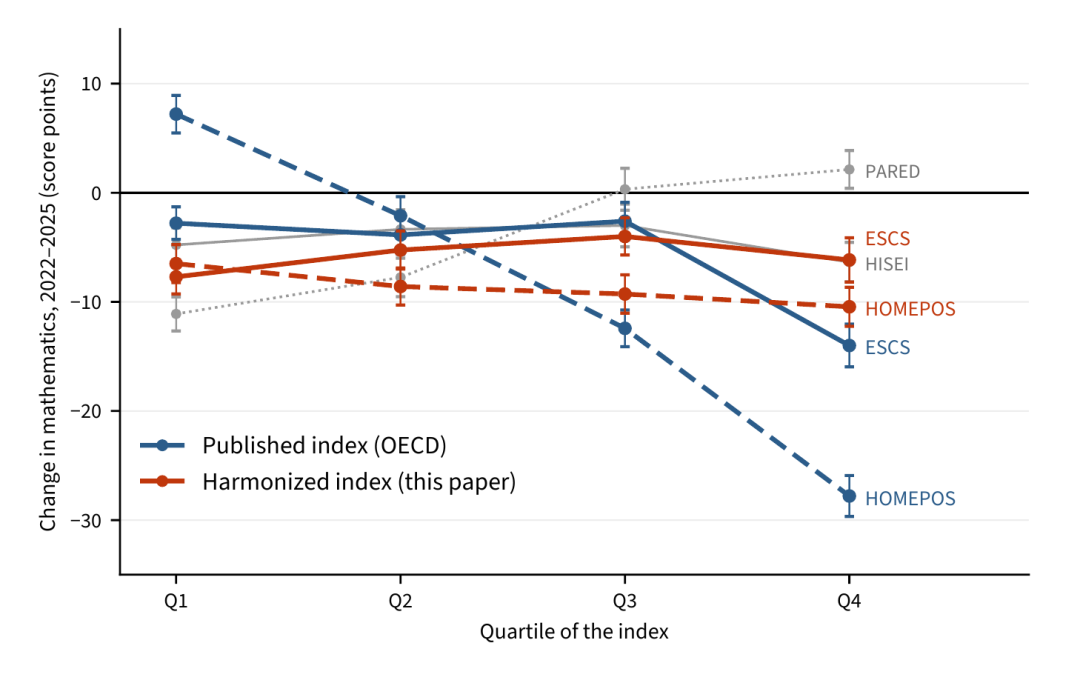
Working paper in collaboration with Innovamat Research Lab PISA 2025 Volume I (OECD 2026a) reports that the socioeconomic gap narrowed between 2022 and 2025 because advantaged students declined most — “a new phenomenon of affluent students who struggle academically”. However, this pattern is explained by the changes in how the index of economic, social and […]
Lucía Cobreros Vicente, Marc Colomer, Eudald Correig-Fraga, Lucas Gortazar, Isaac Sayol
23 Sep, 2026
Read more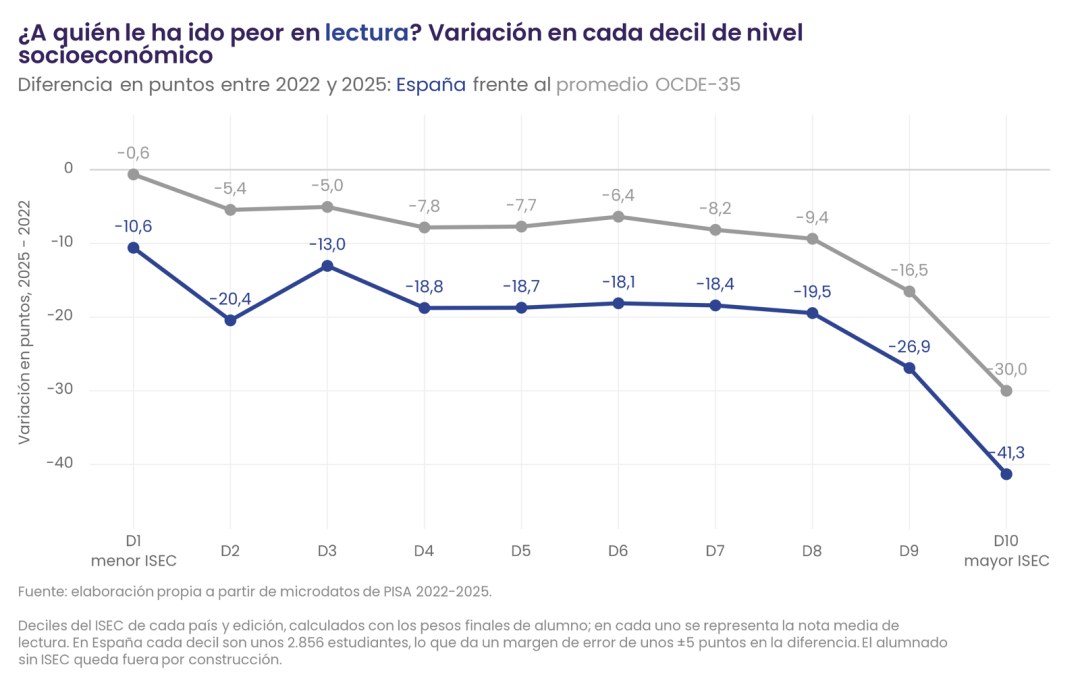
16 Sep, 2026
What this report does This report assesses the state of equity, or equality of opportunity, in education in Spain and its autonomous communities, based on an original and detailed analysis of the PISA 2025 microdata and a comparison with the 2022 data. Describing and understanding educational equity in depth is highly relevant for a country’s […]
8 Sep, 2026
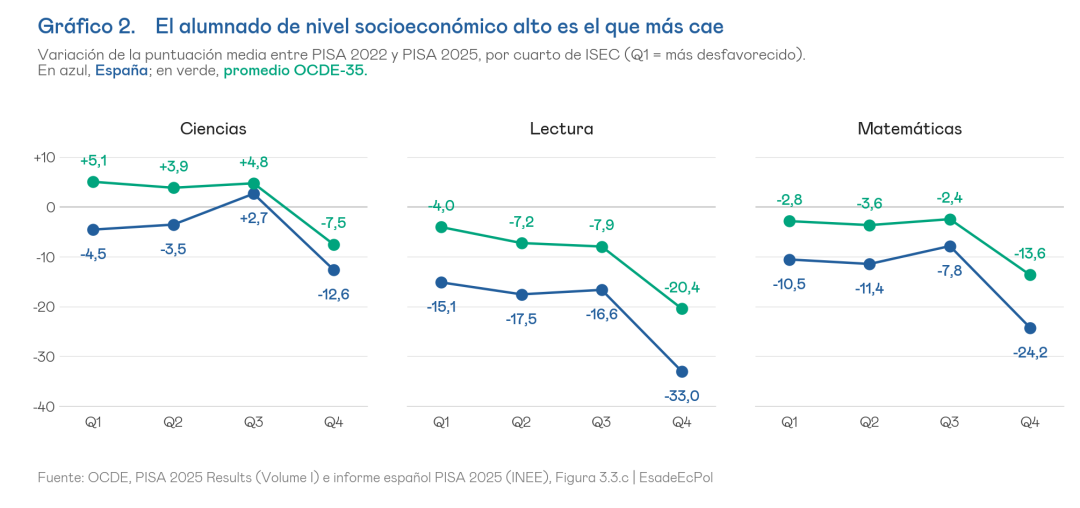
Key ideas → The decline is concentrated where the Spanish system used to be strongest, and the fall in the top quartile across the OECD is the most striking result globally. Spain loses 45 points per decade in reading compared with 27 for the OECD, and falls back above all at both ends of the […]
25 Jun, 2026
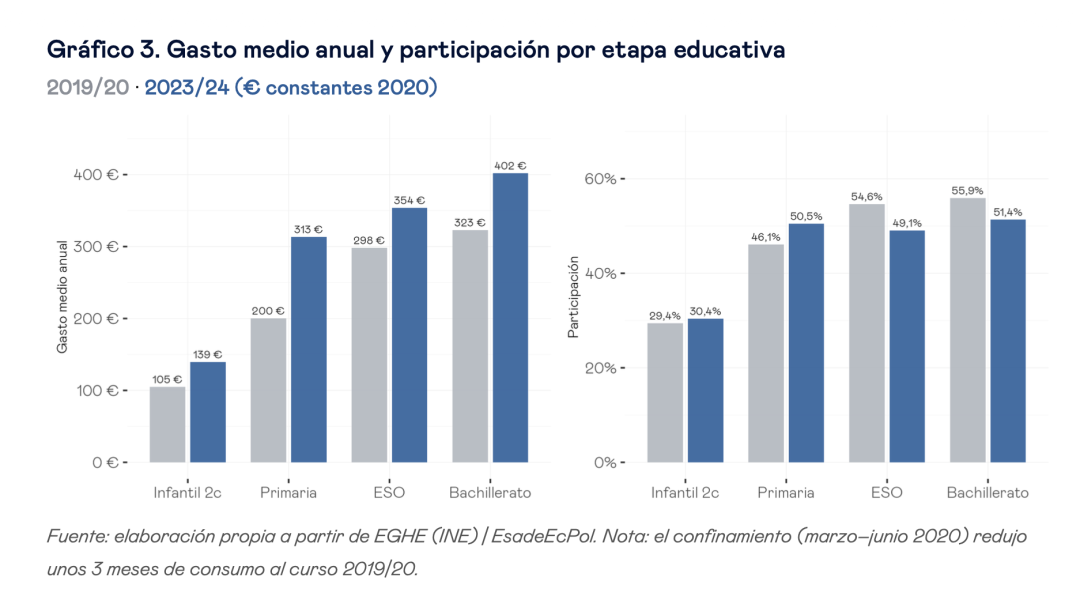
This report analyses the state of Shadow Education (SE) in Spain using the latest available wave of the National Statistics Institute’s (INE) Household Education Expenditure Survey (EGHE 2023/24) and compares it with the immediately preceding available wave (2019/20), analysed in detail in the EsadeEcPol report by Moreno and Martínez (2023). We find that aggregate spending […]
16 Jun, 2026
Supported by Google ↓ Download the full report A new wave of AI-based tools is arriving on the heels of two decades of ICT in Spanish classrooms. Access, regulation, and investment are largely in place; whether this wave translates into improved learning depends on robust, evidence-based implementation. Basic evidence on what would work Lessons learned […]
26 May, 2026
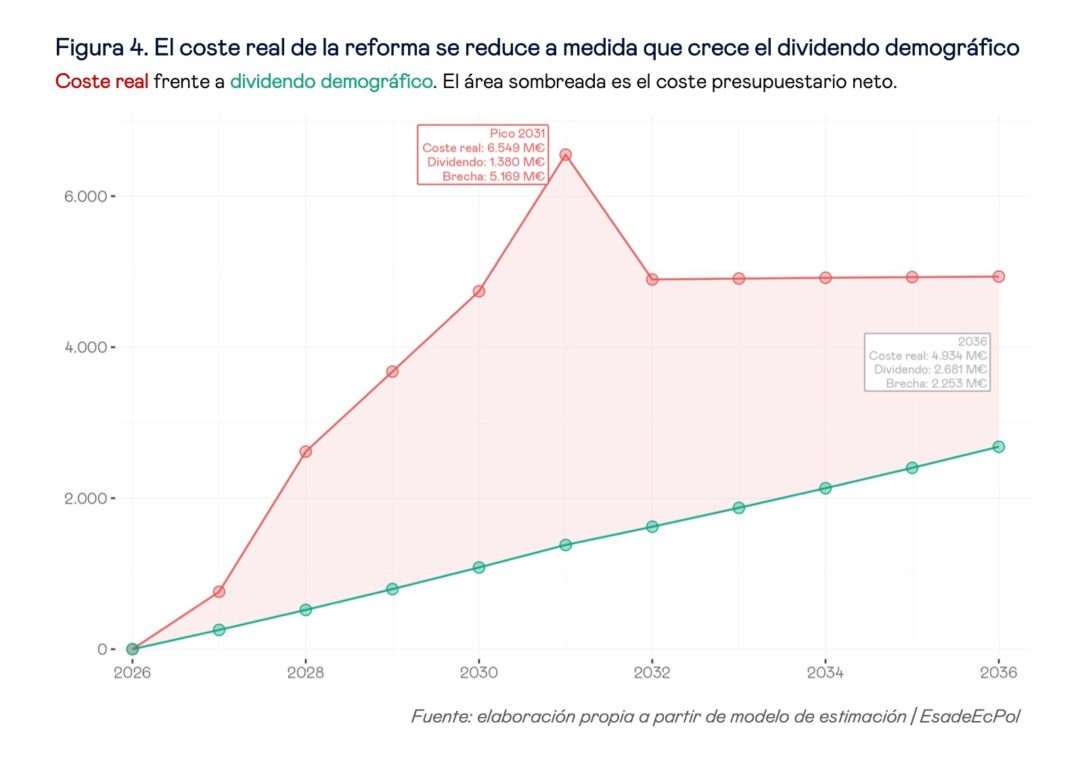
In Spain, the maximum number of pupils per classroom is 25 in Primary education and 30 in lower secondary education (ESO). On 11 November 2025, the Ministry of Education, Vocational Training and Sport (MEFPD) presented the draft Bill to reduce the maximum class size to 22 pupils in Primary and 25 in ESO, and to […]
27 Jan, 2026
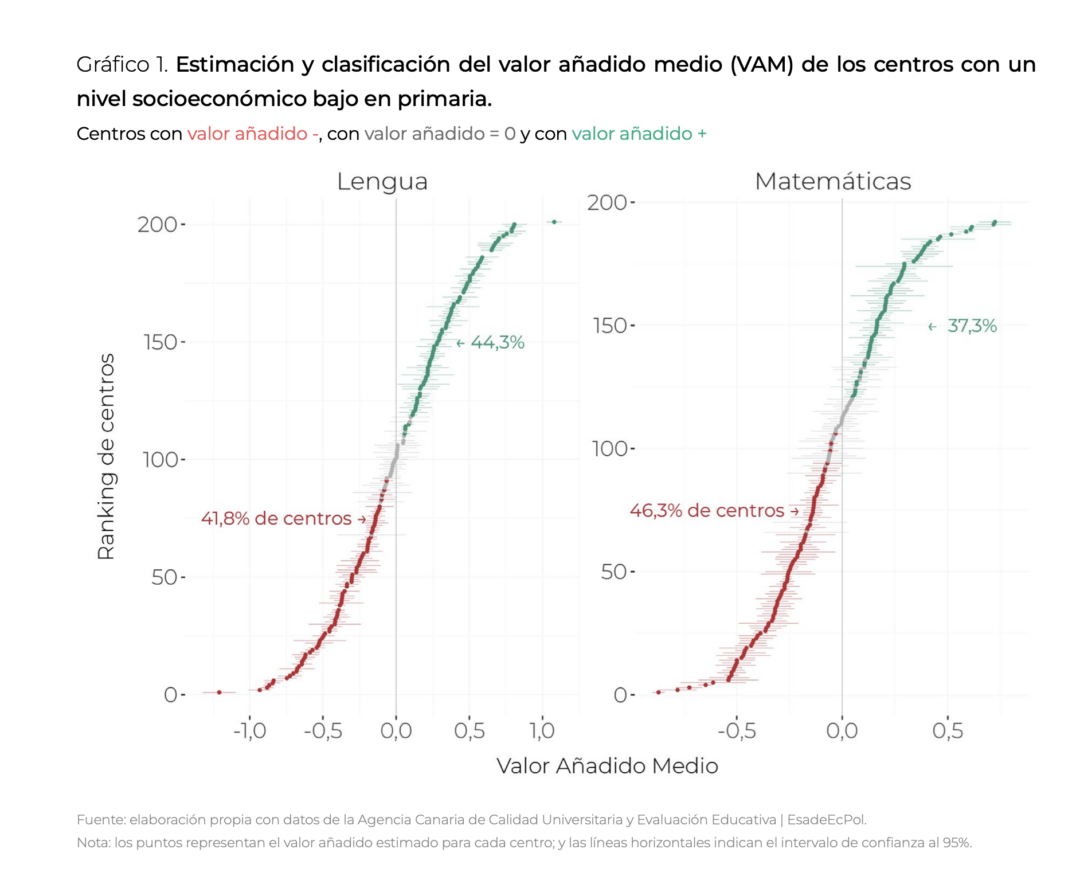
In collaboration with Fundación ‘la Caixa’ and Save the Children ↓ Download the full report Technical annexes: quantitative · qualitative This study seeks to identify and characterise those schools that, in contexts of high social vulnerability, enable their students to progress beyond what would be expected compared with other schools in their surroundings. Two case […]
14 Oct, 2025
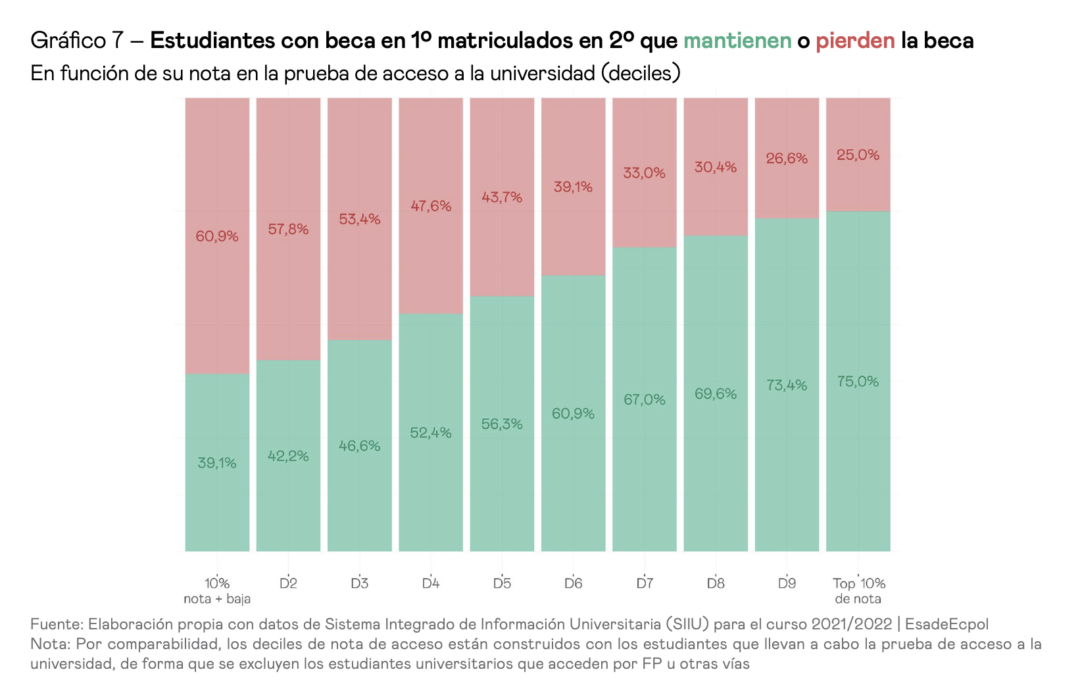
El sistema de becas universitarias constituye un pilar clave de la política educativa para garantizar la igualdad de oportunidades en el acceso y la permanencia en la universidad. No obstante, a pesar de su relevancia, existe poca evidencia sobre su efectividad en España: diferentes análisis señalan que los estudiantes beneficiarios de beca tienden a obtener […]
8 Oct, 2025
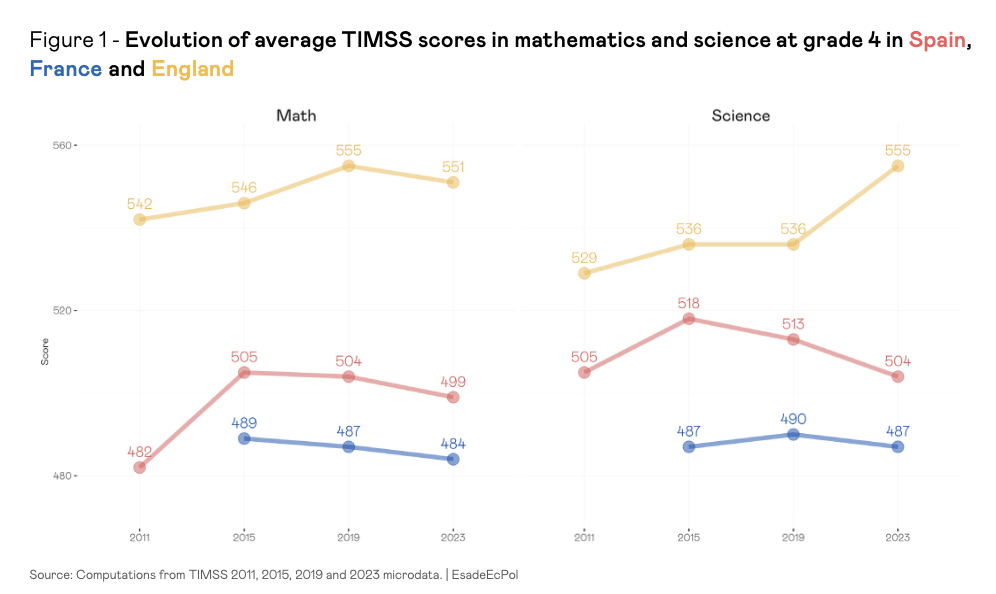
In the verge of a new technological revolution, Math and Science skills will gain its importance as critical skills for social and economic progress. Why some countries are better than others in teaching such skills? Recent results of the international assessment TIMSS 2023 displayed poor results for both Spain and France in Math and Science […]
25 Mar, 2025
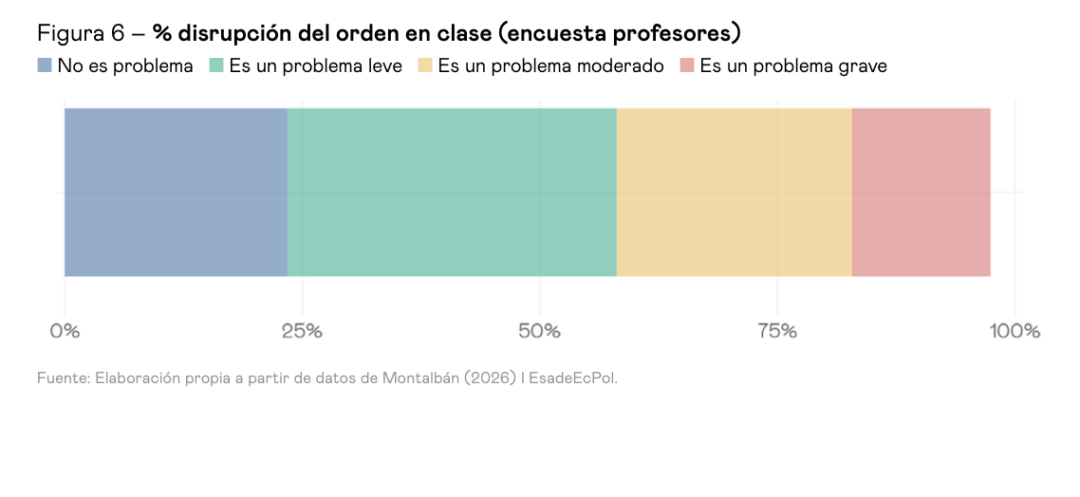
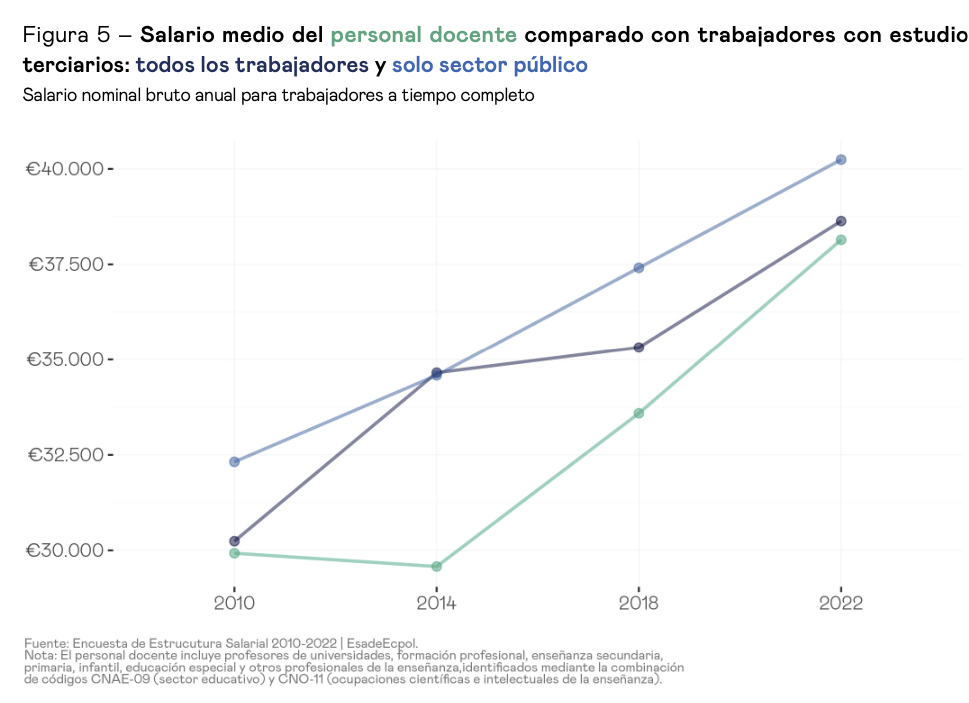
Teachers are the most decisive school factor for the quality of education systems. In Spain, the teaching profession is at a critical juncture, shaping education for the coming decades. Recent data show an increase in fatigue, feelings of isolation, and dissatisfaction among a portion of teachers. This report explores the state of the teaching profession […]
23 Apr, 2024
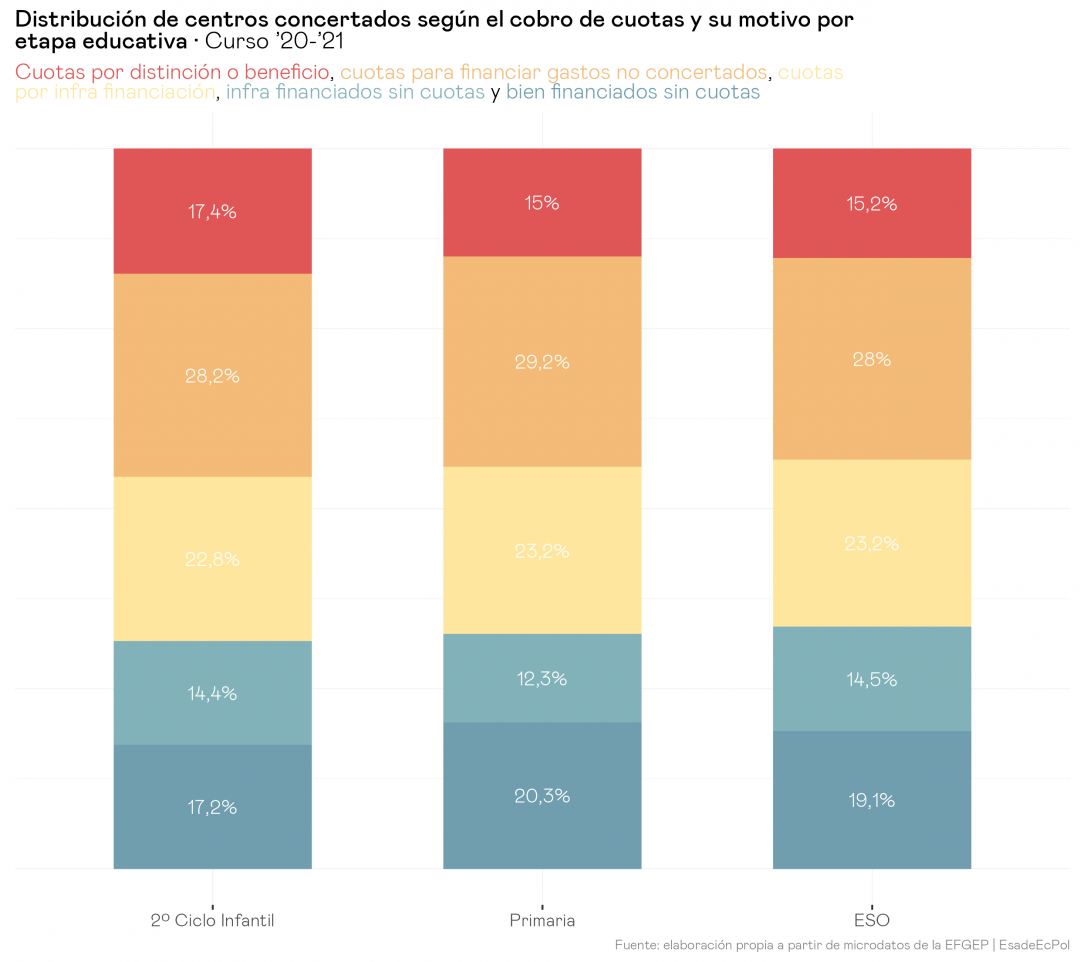
Subsidized education is a central element of the Spanish educational system. While 67% of students attend public schools, nearly 30% attend publicly funded but privately owned centers, called “centros concertados”(and only 4% attend self-financed private centers). The “concertados” fulfills an instrumental function in the development of Article 27 of the Constitution: freedom of education. However, […]