Green transition
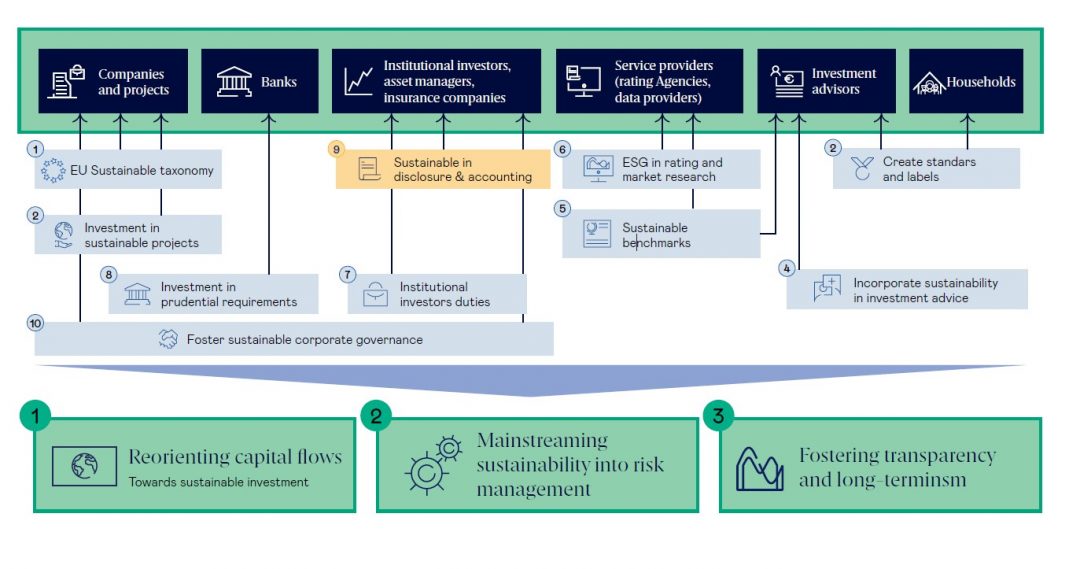
European Sustainability Reporting Standards (ESRS): the new ESG disclosure requirements for European companies
Disclosure of sustainability or ESG information is a prerequisite and a central element for the development of sustainable finance and the reorientation of the economic model towards sustainability. Without it, investors cannot distinguish between companies with more resilient and sustainable business models, or channel sufficient funds towards them. The regulations that governed this disclosure in […]
Fernando Gutiérrez del Arroyo González
31 Aug, 2023
Read more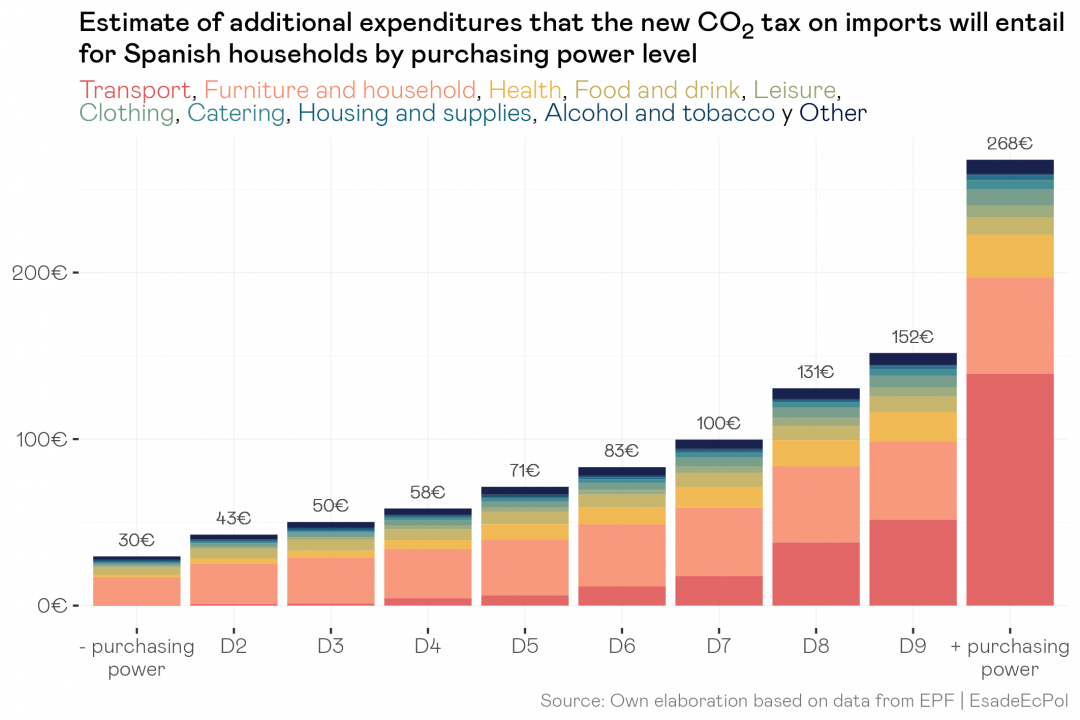
8 Jun, 2023
Energy-intensive sectors in the European Union pay for the environmental costs of their activities through an emissions allowance market, where each tonne of CO2 emitted has a specific price. To prevent these additional costs from putting European industry at a disadvantage compared with imports from third countries, a free quota was previously allocated to the […]
2 Feb, 2023
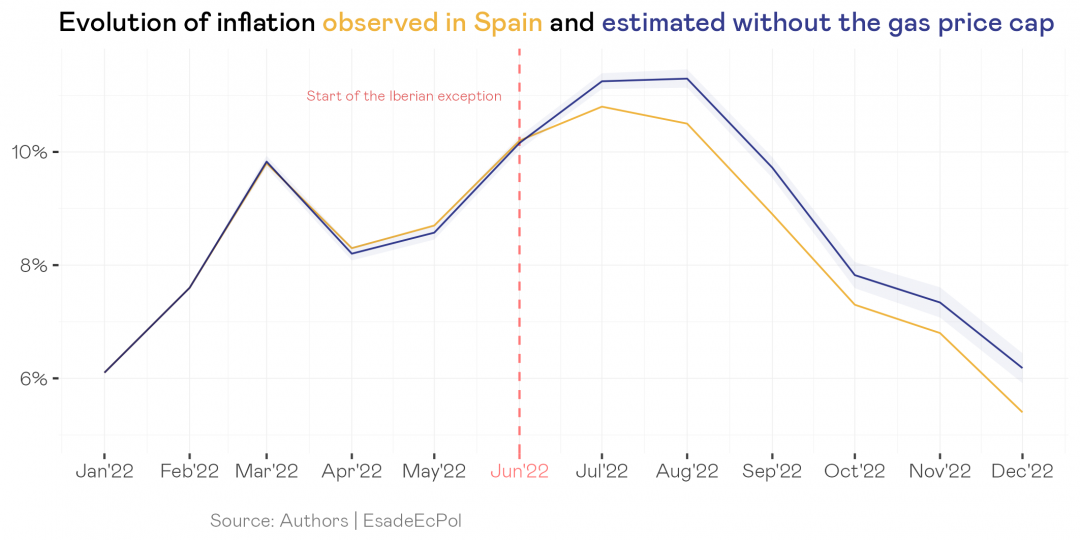
The most notable measure to curb the escalation of electricity prices during 2022 has been the temporary gas price cap implemented in Spain and Portugal. This is a compensation paid to combined cycle gas turbines (CCGT), coal, and cogeneration plants to lower the price offered in the wholesale market, thus seeking a decrease in the […]

21 Dec, 2022
To boost sustainable finance and reduce greenwashing, the European Union (EU) has established the Taxonomy, a classification system of which activities can be considered “sustainable” from a climate and environmental point of view (the E in the acronym ESG). The main objective of the Taxonomy is to provide robust definitions and transparent disclosure requirements to […]

14 Oct, 2022
Se acerca el frío, y con ello los gobiernos europeos activan y amplían las medidas para enfrentar la crisis energética en la que ya está metido el continente. El Ejecutivo español no es una excepción, y durante esta semana ha anunciado una serie de medidas en tres ámbitos principales: apoyo a los consumidores, aceleración de […]
30 Sep, 2022
One of the most significant measures enacted so far to moderate the escalation of electricity costs is the gas cap implemented exceptionally in Spain and Portugal. This so-called cap is a compensation paid to electricity companies using this fossil fuel to lower the price offered in the wholesale market. In doing so, it is intended […]

30 Jun, 2022
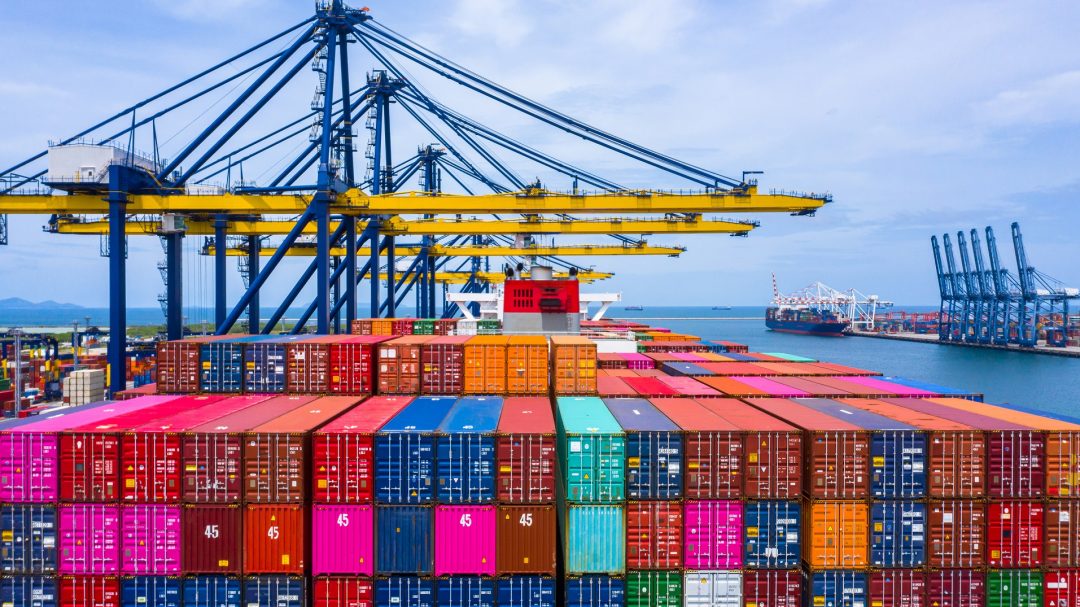
World trade must add to its prices the environmental costs of CO2 emissions associated with the production of goods. To this end, the European Parliament has just voted in favor of a Carbon Border Adjustment Mechanism (CBAM) to tax imported products according to their emissions, subjecting them to the same price as European goods that already pay for them in an internal market for emission allowances.
15 Jun, 2022
The European Union is working to establish a carbon border adjustment mechanism (CBAM), so that imported products pay the same price as that now paid by European producers through the existing emission rights trading system (EU ETS). The objective is to level the playing field between local producers and foreign producers that export to the […]
8 Jun, 2022
The new goal of ending EU reliance on Russian energy is in addition to and must be reconciled with the existing goal of decarbonising the Spanish economy. This reconciliation seems obvious in the very long term, but in the short and medium terms, it poses challenges for Spain and other countries: The immediate upward pressure […]

26 May, 2022
Spain’s buildings use around 30% of its final energy, and just over 20% of Spain’s gas. Furthermore, over a third of Spaniards are dissatisfied with their home’s insulation. At its core: 51% of Spanish primary residences were built before basic thermal insulation requirements were included in technical construction standards. In 2014, a national renovation […]

26 May, 2022
The need to align the goals of decarbonisation and energy independence from Russia increases the need for policies to rationalise our energy consumption. The most promising policies for doing so are those that affect the price of energy through taxes and similar instruments, especially for households, individuals and commercial establishments, for two reasons: They maintain […]
28 Apr, 2022
En una frase: tal y como recojo en este análisis de El País, el acuerdo con Bruselas para abordar la ‘excepcionalidad ibérica’ probablemente reducirá la inflación y el porcentaje de gasto energético asumido por los españoles, especialmente en los hogares más vulnerables. Sin embargo, lo hará a coste de reducir incentivos para el ahorro y […]
18 Jan, 2022
La atención por la sostenibilidad climática y medioambiental ha virado en los últimos años al sector financiero, que será clave en promover la transición ecológica.