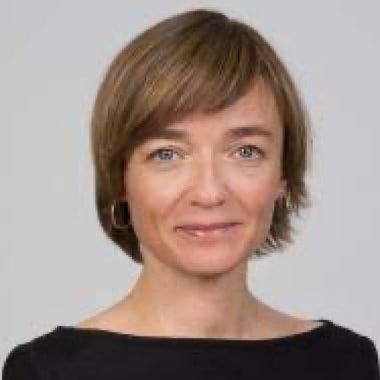

Our team
Our purpose
The GLEAD Center at ESADE Business School is dedicated to advancing the science and practice of responsible, inclusive, and human-centered leadership. We believe that great leadership is not a fixed trait but a dynamic social force — one that can be understood, cultivated, and directed toward building healthier organizations and a more equitable society.
Our work is organized around three core commitments:
1. Generating Rigorous Knowledge. We conduct original, interdisciplinary research at the intersection of leadership, identity, social psychology, and organizational behavior. Our scholars investigate the forces that shape how people lead, follow, cooperate, and thrive — from the group dynamics that drive collective action and conflict, to the conditions that sustain happiness and well-being at work, to the moral psychology behind the leaders societies choose. Current research lines include:
-
Group Processes — negotiation and conflict management, diversity and intergroup relations, collective action and prejudice reduction
-
Happiness and Human Flourishing — happiness at work and time use, the relationship between voice, emotion, and negotiation outcomes
-
Identity and Social Perception — self-identity, the dark side of leadership, mental health, well-being, and the human implications of AI and remote work
-
Future of Work — the transformation of job structures, the impact of generative AI on occupations and organizations
-
Leadership, Social Norms, and Morality — why people vote for rule-breaking leaders, how norms shape moral judgments of those in power
-
Global Mobility and Talent — expatriate management, knowledge transfer, and new forms of global mobility
-
Careers and Vulnerable Populations — stigmatized identities, career adaptability, and leadership among underrepresented groups
-
Human Resource Management — hybrid work, algorithmic HR decision-making, and the digitalization of people management
2. Developing Responsible Leaders We bring our research directly into the classroom. Our faculty are committed to developing students not only as competent managers but as thoughtful, self-aware, and inclusive leaders — people who understand the social and human dimensions of their decisions and who are equipped to lead across difference, complexity, and uncertainty.
3. Engaging Society's Emerging Challenges We are outward-facing in our ambitions. Beyond academic publication, we seek to translate our findings into tools, frameworks, and conversations that inform practitioners, policymakers, and organizations navigating the profound transformations reshaping work and leadership today — from the rise of artificial intelligence to shifting workforce demographics to new expectations around well-being, fairness, and purpose.
Faculty
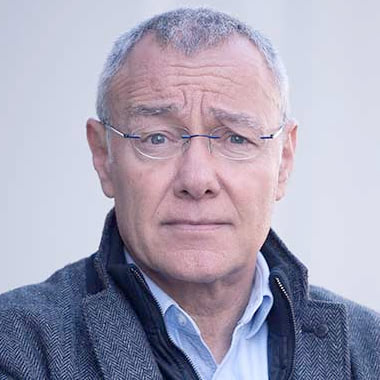
Joan Manuel Batista Foguet
Emeritus Professor
Department of People Management and Organisation



External Researchers

Ferran Velasco
EADA Researcher
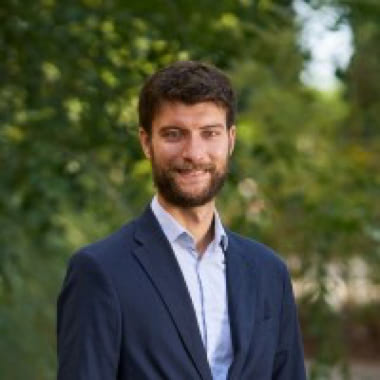
Matteo Di Stasi
CUNEF Assistant profesor
PhD Students

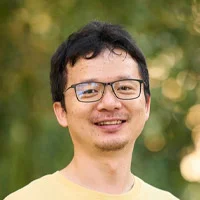
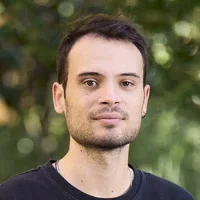
Lorenzo de Gregori
PhD Student
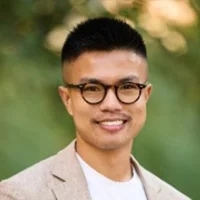
Yipeng Wang
PhD Student
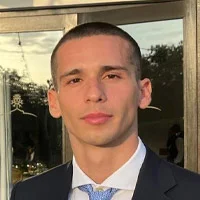
Afonso Ferro
PhD Student

Zhe Liu
PhD Student
MRes
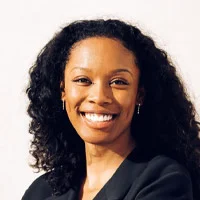
Mahal De La Durantaye
MRes student