Green transition
A green industrial policy for Spain in the European framework
Decarbonization, inevitable in the current context, presents an opportunity to develop technologies that drive the energy transition. While Spain has experienced a decline in its industrial sector, the shift to a decarbonized economy opens a window to reverse this trend. The goal is not just reindustrialization but doing so in high-value-added sectors that promote quality […]
Jorge Galindo, Pedro Linares Llamas
1 Mar, 2025
Read more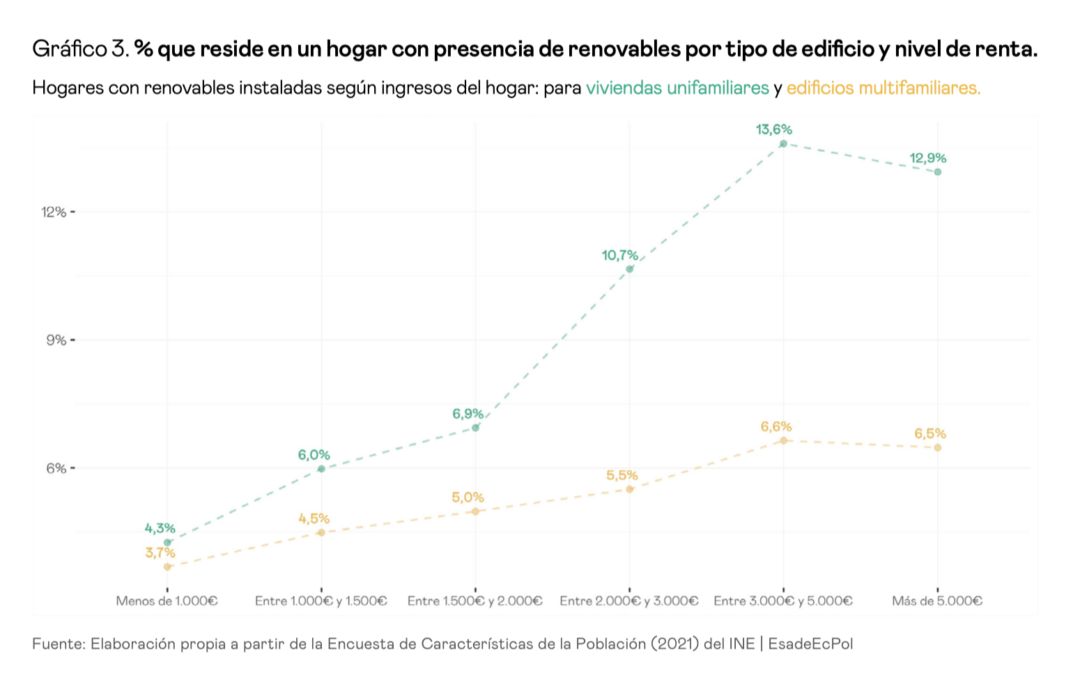
28 Feb, 2025
The adoption of cleaner or more efficient technologies usually occurs earlier in higher-income households or those defined by other variables facilitating the costs associated with such adoption. In a context where the shared objective is decarbonizing the economy, public policy should ensure that adoption is as comprehensive and equitable as possible, making these technologies equally […]
30 Jan, 2025
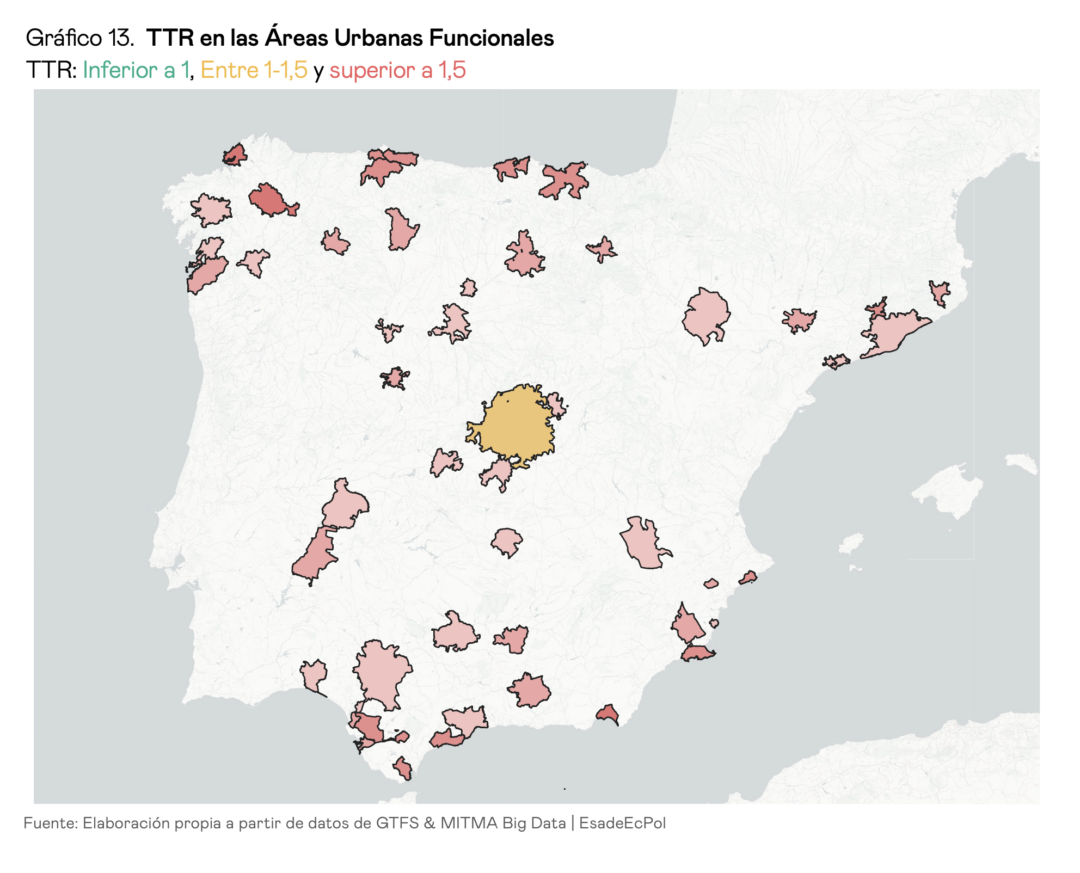
Spain has set very ambitious goals for the decarbonization of the transport sector: a 34% reduction in CO2 emissions by 2030, 60% by 2040, and 90% by 2050. In the long term, structural changes (development of railway infrastructure, penetration of electric vehicles, modification of transport supply and demand…) will play a central role in achieving […]

12 Jan, 2024
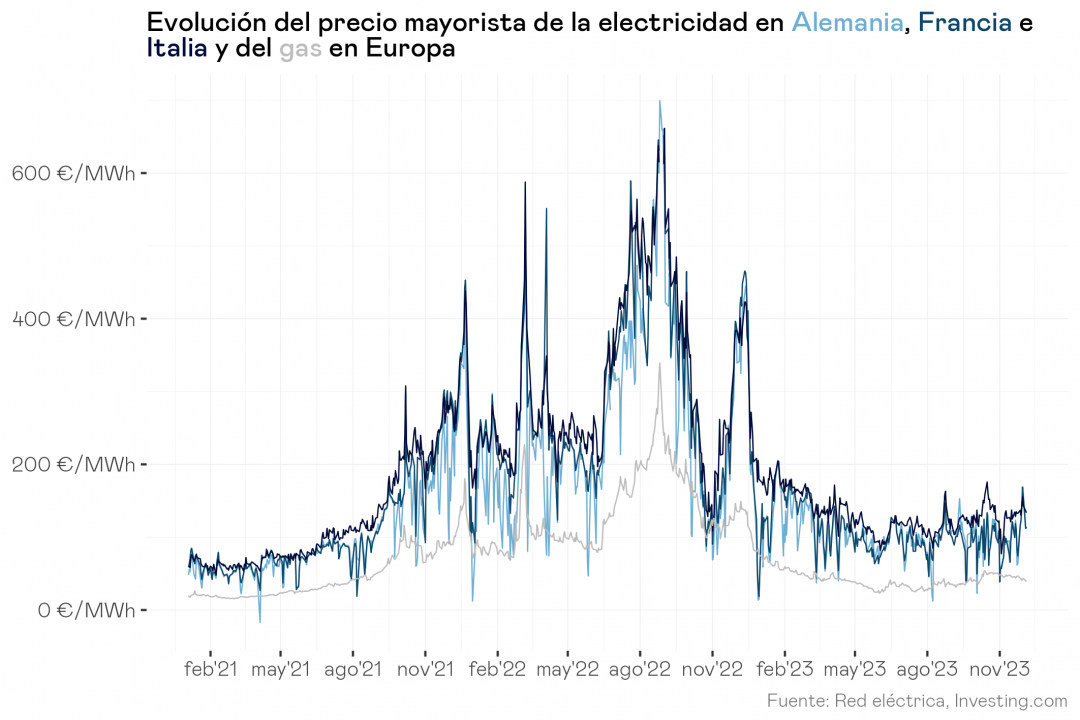
The functioning of the European electricity market needs new instruments to encourage investment in large-scale renewable energy projects and storage. Although in theory markets such as the European could incentivize investment, in practice they have failed to do so. In fact, at a certain point of maturity, the price decline in the electricity markets reduced […]
29 NOV, 2023
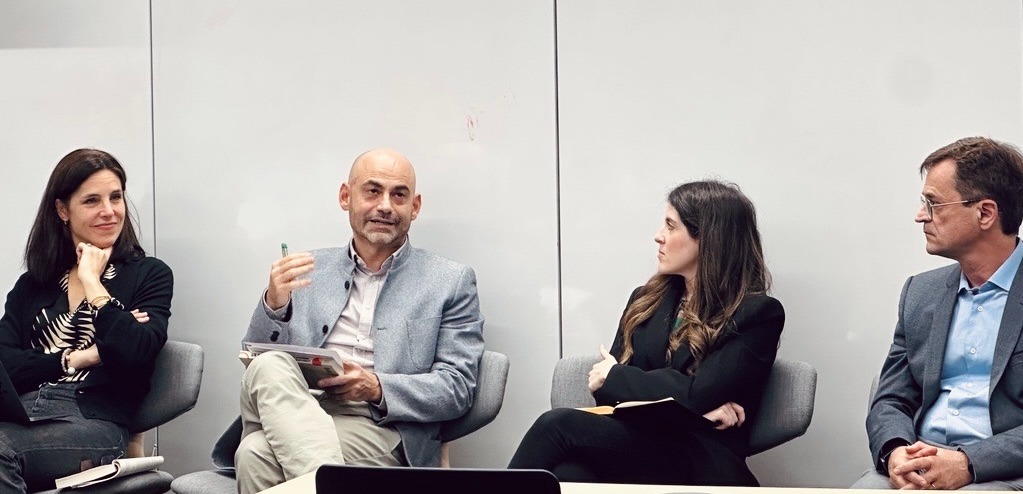
Last Tuesday, November 28th, we talked about our book “Un País Posible: Manual de Reformas Políticamente Viables” (Un País Posible: A Handbook of Politically Viable Reforms) thanks to the invitation of the Harvard Kennedy School Spain Alumni Network. The conversation counted with the interventions of Toni Roldán, Miguel Almunia, Marta Suárez-Varela and Antonio Cabrales and […]
23 Nov, 2023
The urgent need for decarbonization has broadened the scope of transportation policy from improving network conditions, such as reducing congestion or improving accessibility, to include sustainability considerations, promoting zero-emission mobility, and climate change adaptation measures. While these measures are critical in reducing the carbon footprint of the transportation sector, they can also have unintended social […]
17 Nov, 2023
As the volatility of short-term energy market prices increases due to exogenous shocks and the changing nature of the energy mix market interventions are gaining importance in the policy debate. Accurate and robust quantification of their impact is becoming therefore essential. This paper conducts a causality analysis to evaluate the Spanish ‘gas cap’ for electricity […]
18 Oct, 2023
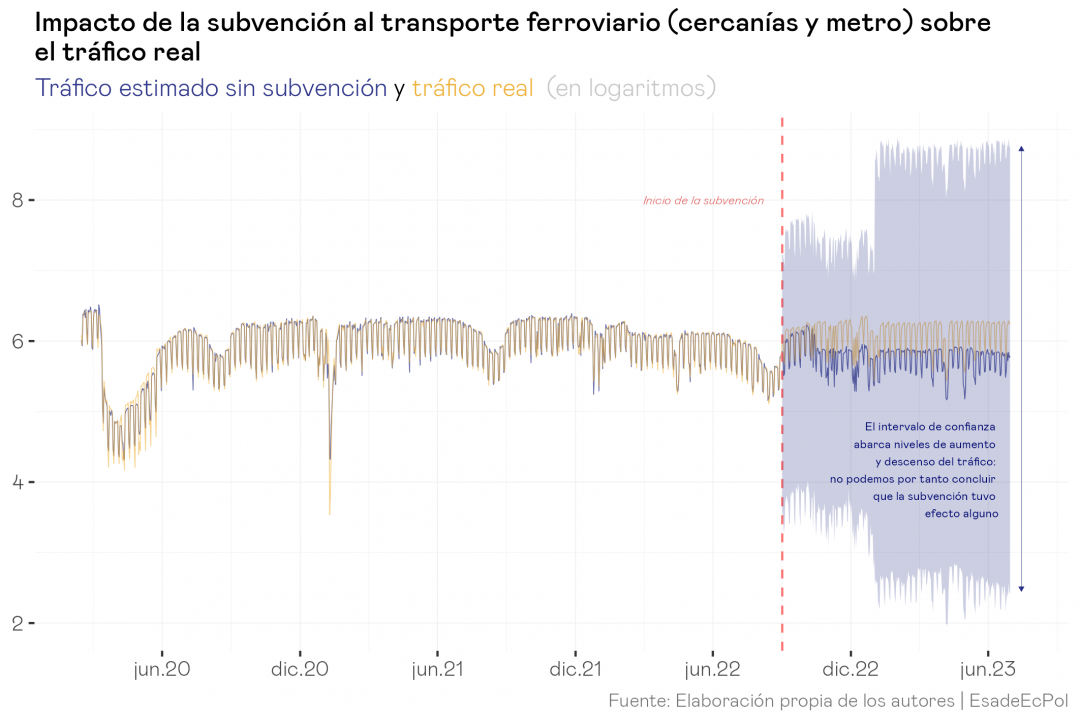
Ideas clave → Con la evidencia disponible no podemos afirmar que la subvención al transporte metropolitano en ferrocarril haya reducido los coches en las calles de Madrid. → Tampoco hay efecto para las zonas con mayor intensidad de tráfico, menor (o mayor) nivel de renta, ni para las vías principales (M-30) de acceso a la […]

10 Oct, 2023
España tiene prácticamente la misma renta real per capita que hace 15 años, mientras que otros países de nuestro entorno son mucho más ricos que entonces. Esto significa que en los últimos dieciocho años no hemos mejorado, de media, nuestro nivel de vida. Nos encontramos, por tanto, en el camino hacia dos décadas perdidas. Hay […]
13 SEP, 2023
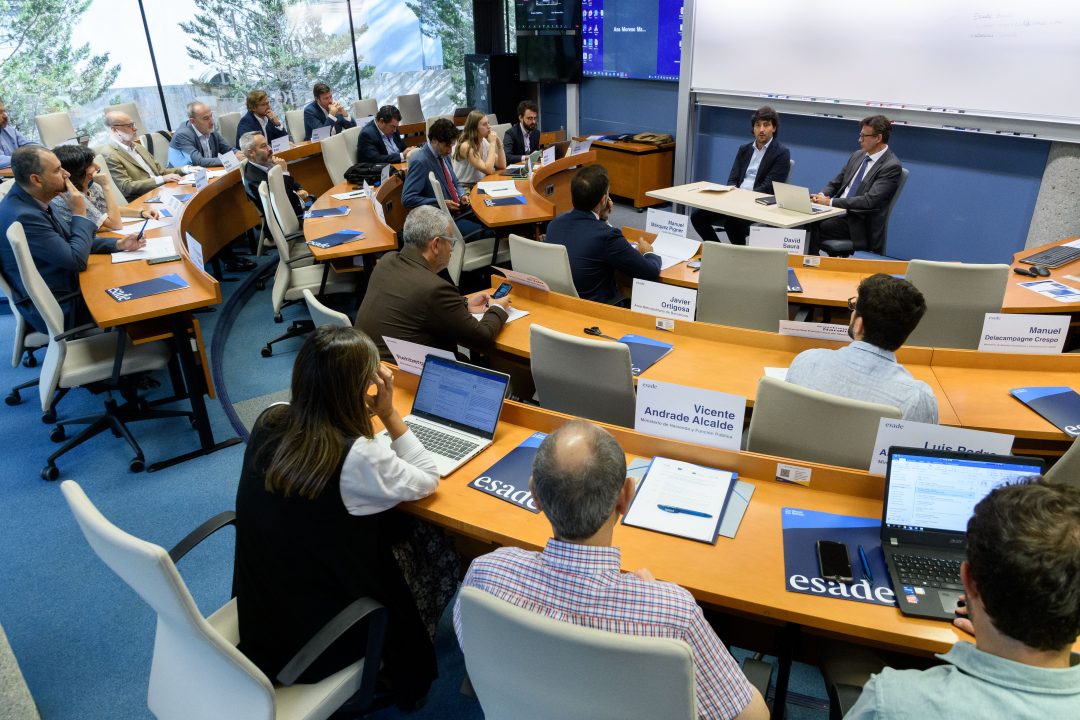
Ayer se celebró el Workshop – Cómo avanzar en la planificación sostenible y socialmente responsable del transporte metropolitano de EsadeEcPol en colaboración con JASPERS (Joint Assistance to Support Projects in European Regions) – 1 Banco Europeo de Inversiones (BEI) en Esade Madrid. Se reunieron diferentes expertos y policymakers en el campo del transporte sostenible […]
31 Aug, 2023
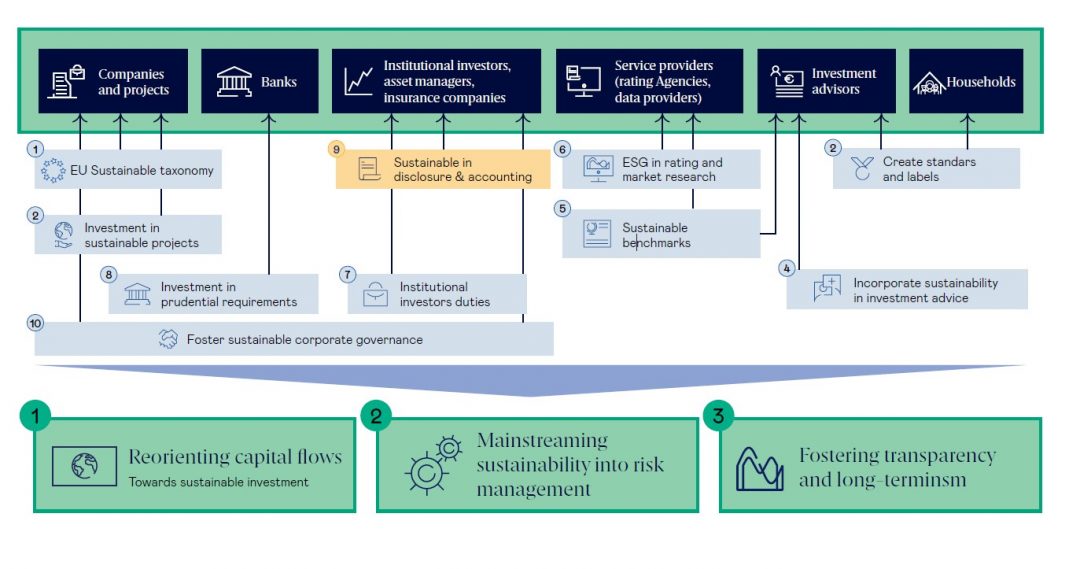
La divulgación de información sobre sostenibilidad o ESG supone un requisito previo y un elemento central para el desarrollo de las finanzas sostenibles y la reorientación del modelo económico hacia la sostenibilidad. Sin ella los inversores no pueden distinguir entre aquellas empresas con modelos de negocio más resilientes y sostenibles, ni dirigir fondos suficientes hacia […]
8 Jun, 2023
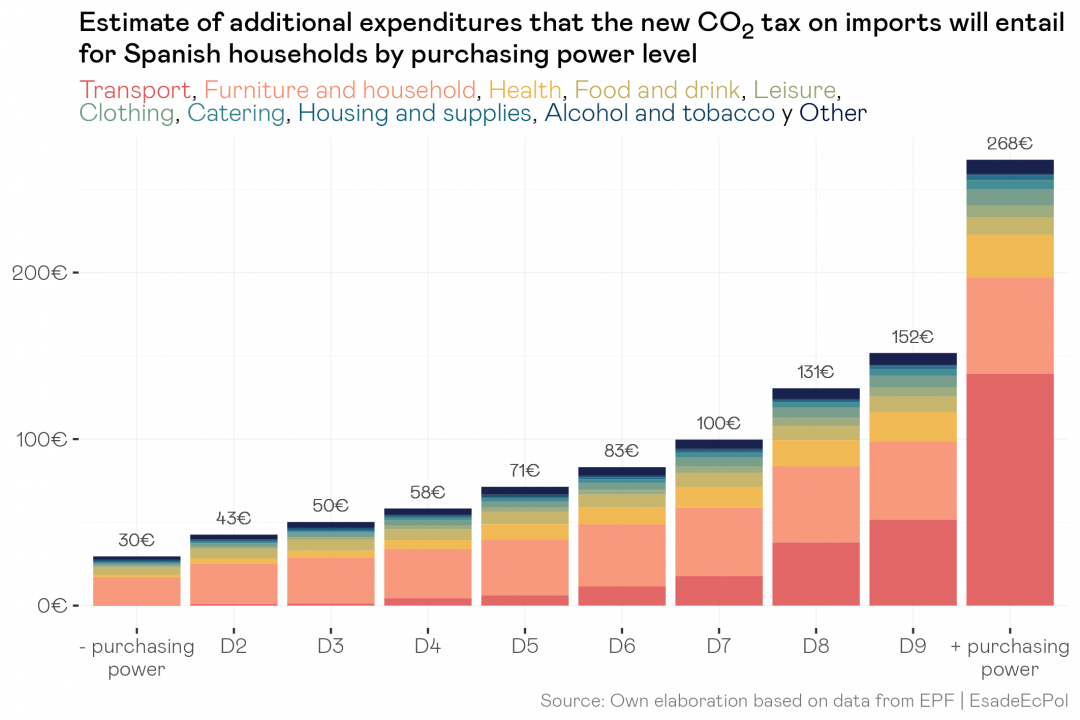
Energy-intensive sectors in the European Union pay for the environmental costs of their activities through an emissions allowance market, where each tonne of CO2 emitted has a specific price. To prevent these additional costs from putting European industry at a disadvantage compared with imports from third countries, a free quota was previously allocated to the […]