Gender & inequality
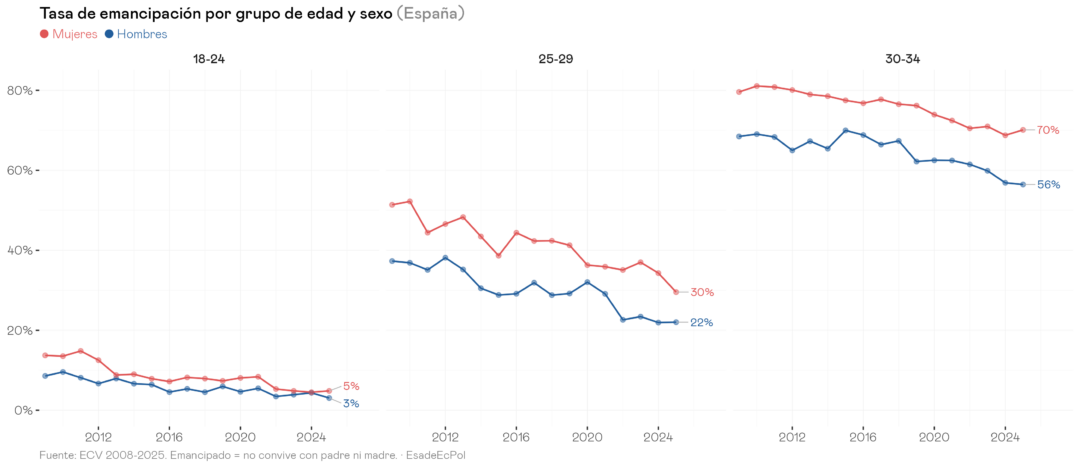
Emancipadas = ¿independientes?
Ideas clave → Las mujeres jóvenes se emancipan más que los hombres de su misma edad en España. Sin embargo, esa emancipación no se traduce en una independencia económica real: su renta mediana personal es un 15% inferior y su tasa de parcialidad cuadruplica la masculina. → La pareja funciona como el principal vehículo de […]
Jimena Contreras
9 Mar, 2026
Read more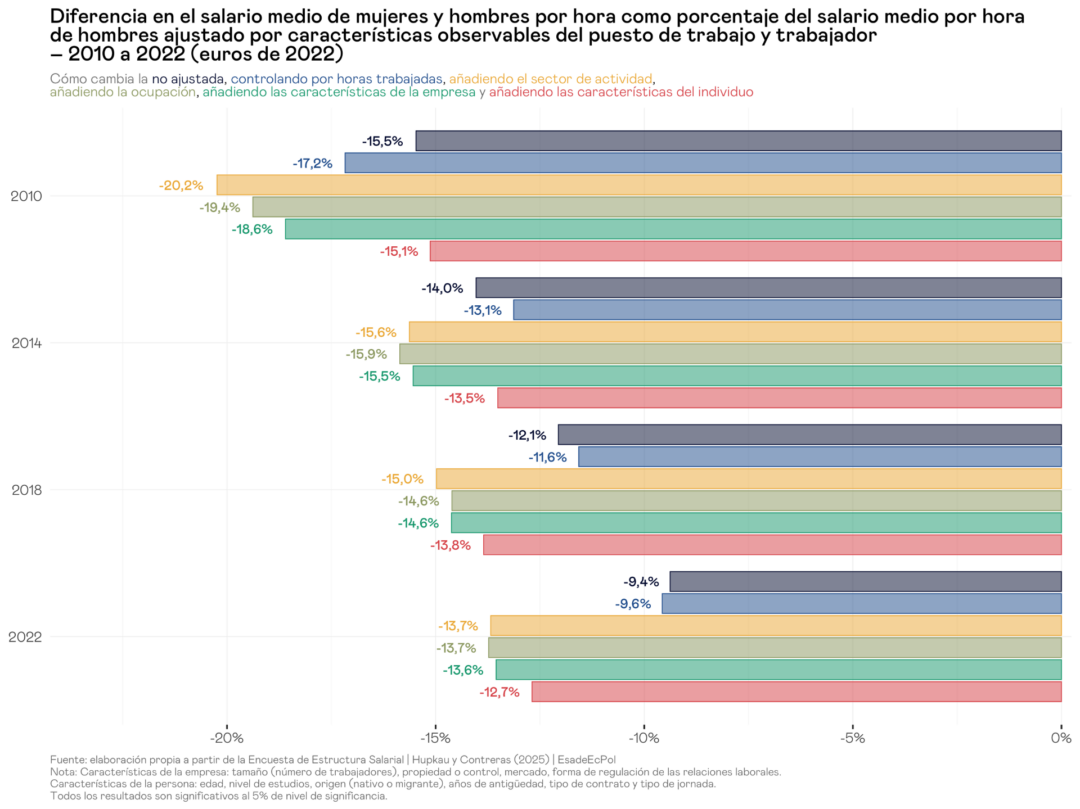
7 Mar, 2025
Spain has made significant progress in reducing the gender pay gap between 2010 and 2022, although substantial disparities remain. Our analysis of Spanish labor market data indicates a clear downward trend in the wage gap between men and women, alongside evidence that structural barriers continue to impede equality. The main findings are: Reduction of the […]
12 Mar, 2024
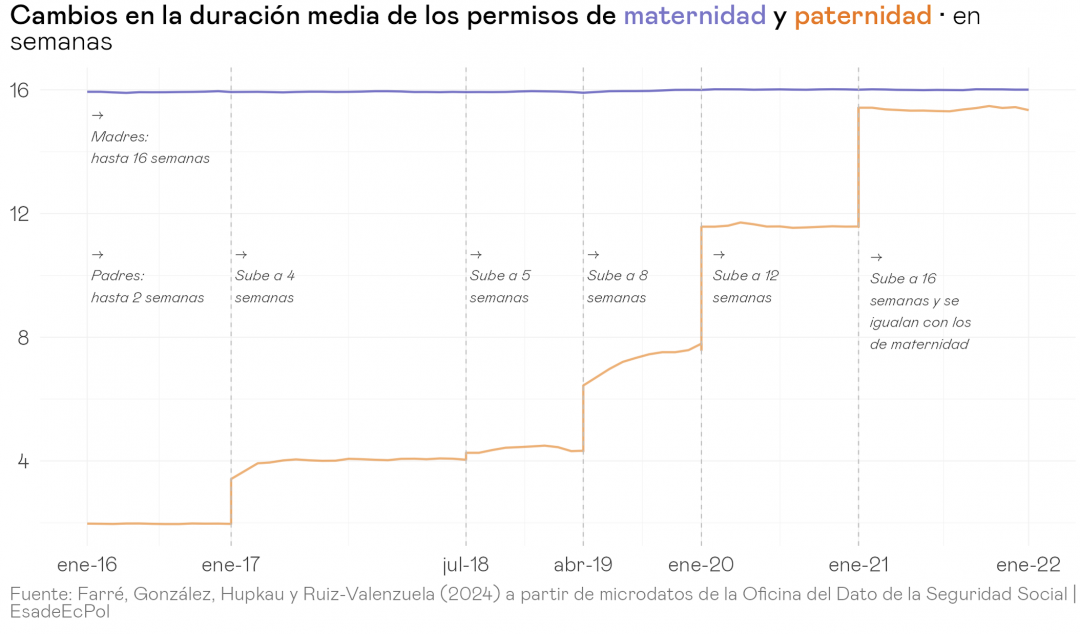
In recent years, paternity leave permits in Spain haves been progressively extended until to becominge the most generous ones in the OECD. Since 2021, paternity leave in Spain is 16 weeks, matching the length of maternity leave. This level has been achieved through successive reforms that have increased the length of leave from 2 weeks […]

29 NOV, 2023
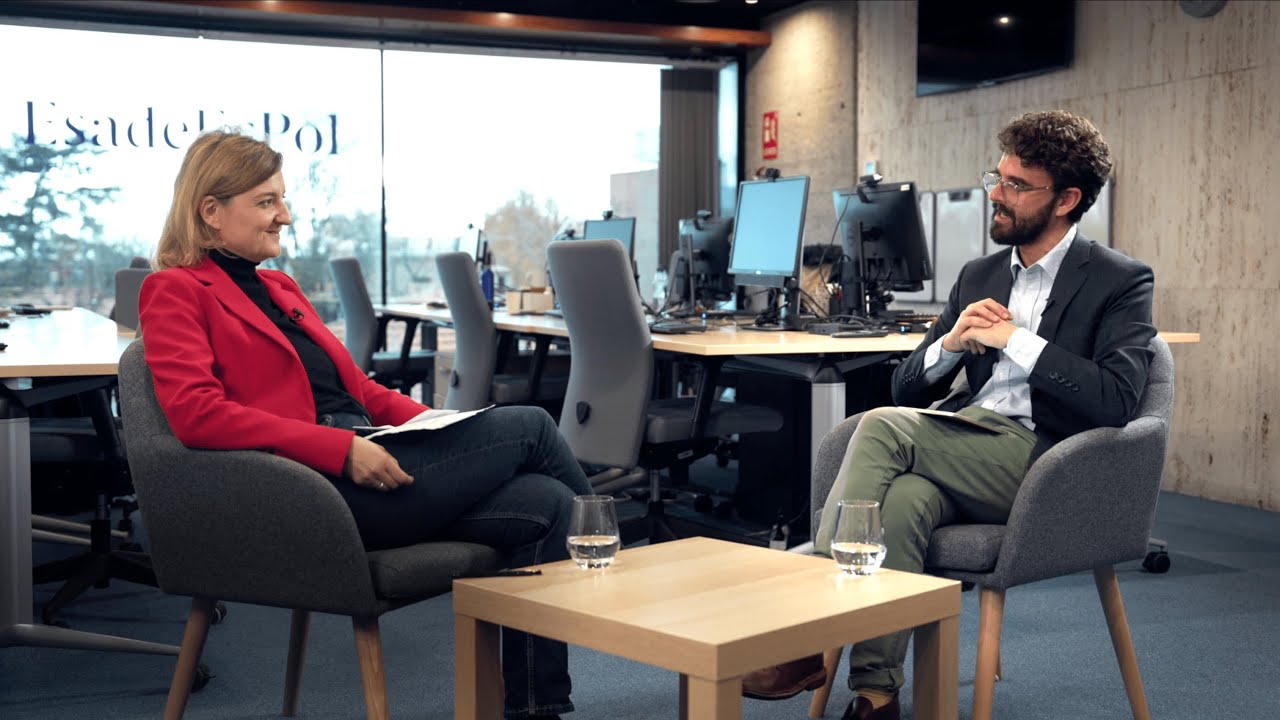
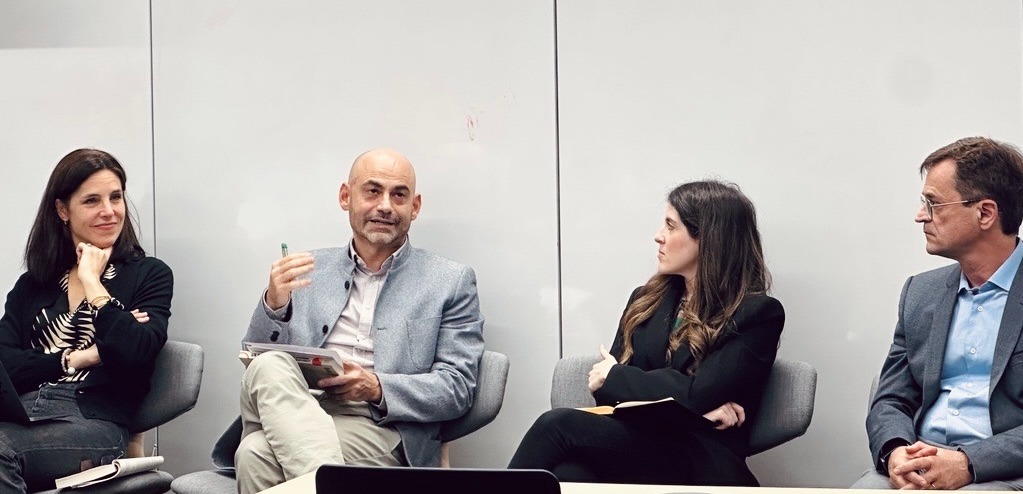
Last Tuesday, November 28th, we talked about our book “Un País Posible: Manual de Reformas Políticamente Viables” (Un País Posible: A Handbook of Politically Viable Reforms) thanks to the invitation of the Harvard Kennedy School Spain Alumni Network. The conversation counted with the interventions of Toni Roldán, Miguel Almunia, Marta Suárez-Varela and Antonio Cabrales and […]
13 Oct, 2023
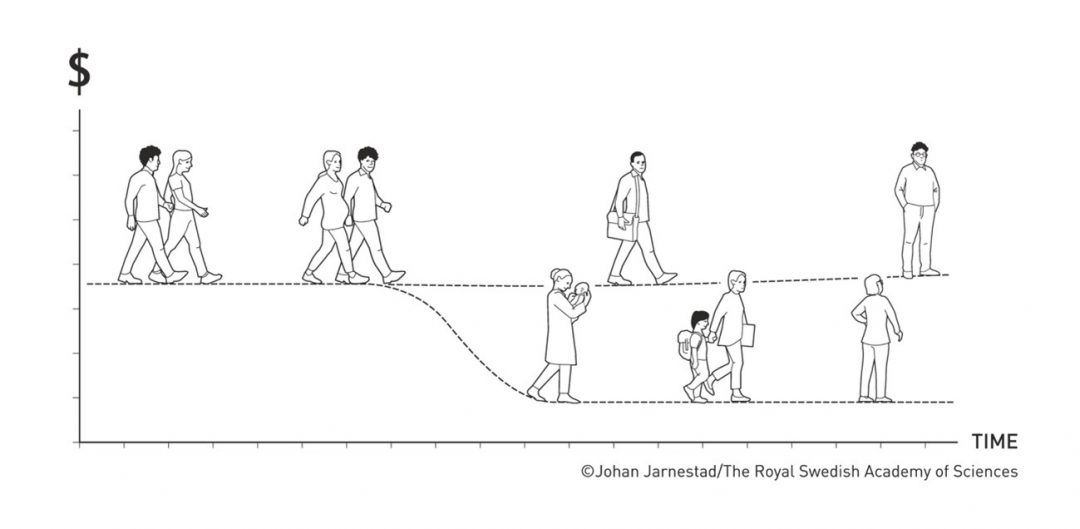
Last Monday morning, October 9, the Royal Swedish Academy of Sciences announced that it was awarding the 2023 Alfred Nobel Memorial Bank of Sweden Prize in Economic Sciences to Harvard professor Claudia Goldin. In summary, the academy explained that Goldin was deserving of the prize for helping to understand the role of women in the […]
10 Oct, 2023
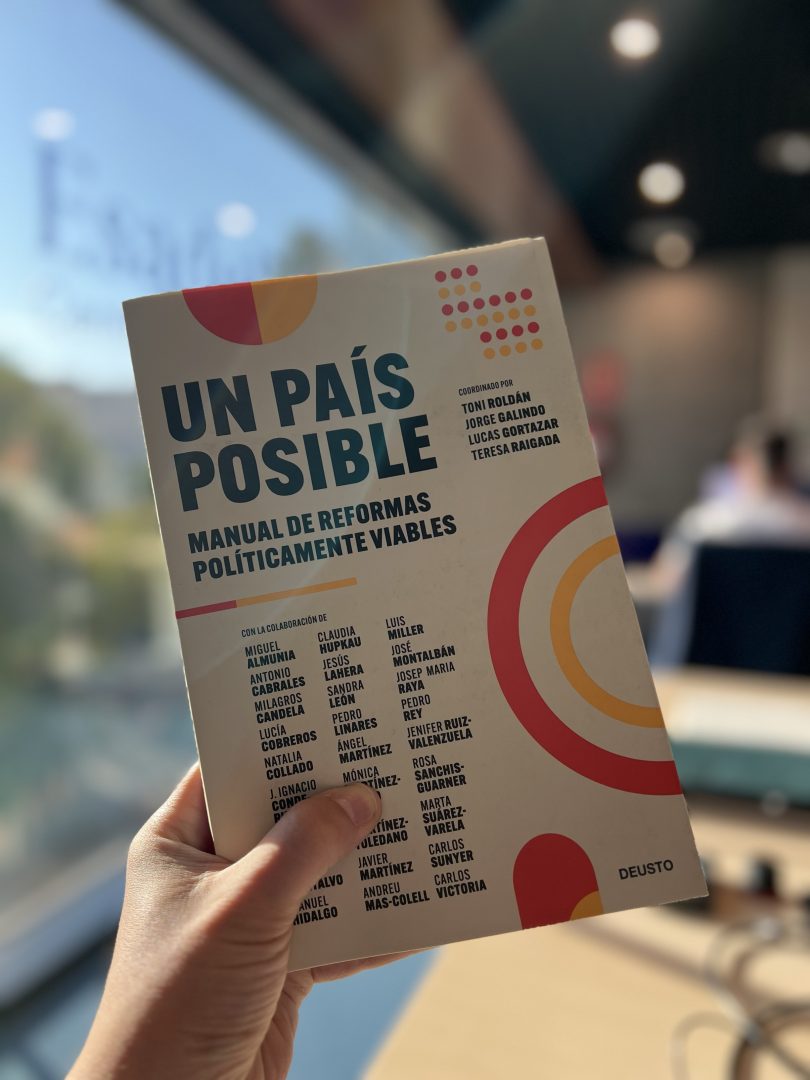
Spain has practically the same real per capita income as 15 years ago, while other countries around us are much richer than they were then. This means that over the last eighteen years we have not improved our average standard of living. We are therefore on the road to two lost decades. There are many […]

10 MAR, 202310:00 - 11:00 h
Coincidiendo con la semana del Día Internacional de la Mujer, en EsadeEcPol estaremos conversando este viernes 10 de marzo a las 10am con algunas de las investigadoras que más y mejor están trabajando sobre la igualdad desde distintas perspectivas. Estaremos con Irene Unceta (Esade), Claudia Hupkau (CUNEF), Libertad González (BSE-UPF), Judit Vall (UB-IEB), Ana Moreno-Maldonado (CUNEF), […]

7 Mar, 2022
Gender gaps in the labor market impact of the COVID-19 pandemic are closely linked to the policies implemented to contain the spread of the virus, such as school and workplace closures, and the negative effects on the economy, such as financial support for short-time workers. This is shown by a detailed analysis of the gender […]

29 Jun, 2021
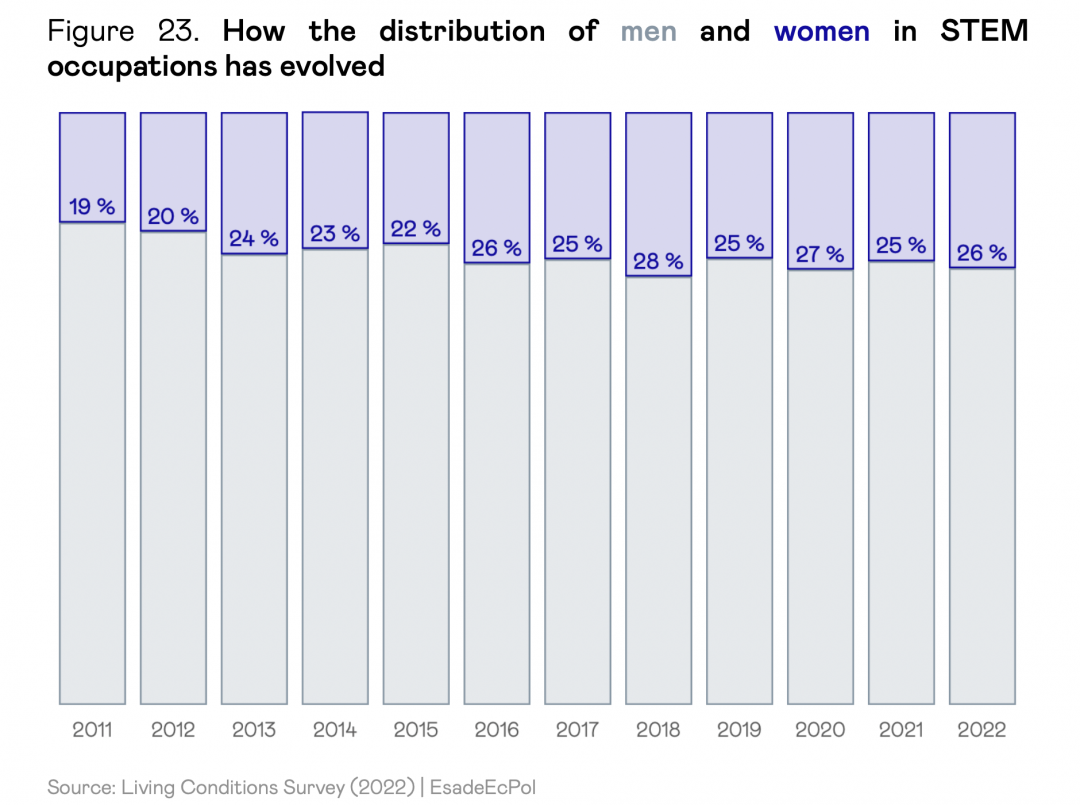
Despite the narrowing of other gender gaps in the labour market, women choose degrees in science, technology, engineering and mathematics (STEM) less often. Using microdata from diagnostic tests in the Community of Madrid between 2016 and 2019, we see the labour market gap reflected in compulsory education: on average, girls outperform boys in reading, but […]