The face we don't want to see, but it has a name and a surname
No one openly declares themselves to be aporophobic, yet the rejection of poor people is part of our everyday lives: it is reflected in the person who ends up sleeping on the street for lack of resources and in the question we ask ourselves about what that person must have done to end up in such a situation.
For a long time, those who felt aversion towards a poor person did not even have a word to describe what they were doing. They could call it prudence, security, public order. Any term that would allow them to justify that rejection. They could call it anything except what it really was. The philosopher Adela Cortina had to turn to ancient Greek, ápōros, meaning without resources, without a way out; phóbos, meaning fear, to coin a word in 1995 that is now frequently heard in forums, reports and conversations around the dinner table: aporophobia.
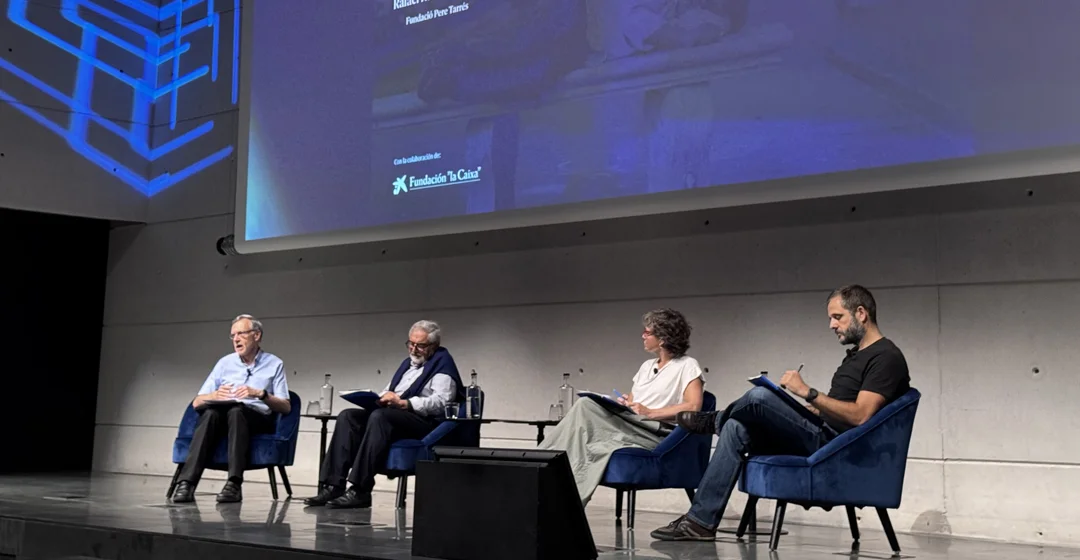
It is not the same as xenophobia, although the two often go hand in hand. A foreigner who arrives with investments, the passport of a football star or petrodollars does not necessarily provoke rejection. The person who may arouse contempt is the one who arrives empty-handed, who appears to have nothing to offer in return. That is why aporophobia is not, as Rafael Ruiz de Gauna pointed out at the opening of the event Perspectives on Aporophobia, organised by Esade's Observatory for Decent Housing, the Institute for Social Innovation and IQS, in collaboration with the ”la Caixa” Foundation, simply a feeling of discomfort towards poverty as an abstract problem. It is something more personal and more unsettling: it is the way we look at a particular person living in poverty and decide, almost without realising it, whether they deserve to be treated with dignity or regarded as a threat, a burden, a nuisance.
Article published in Esade Do Better