Living versus surviving: when having a house does not mean having a home
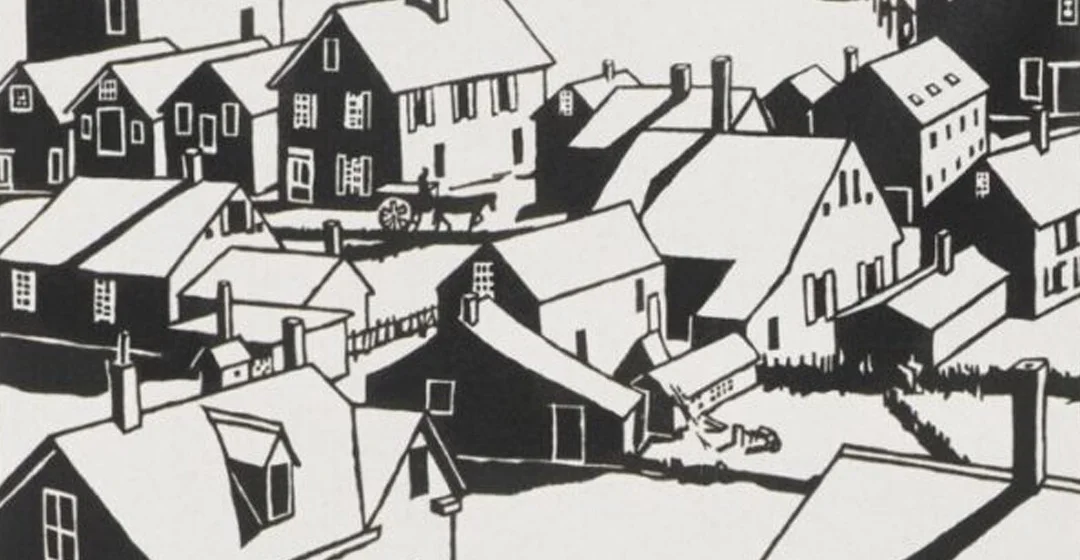
Talking about housing is often reduced to a basic idea: having a roof over one’s head. However, this view is not enough to understand the reality of millions of people. Having a house does not always mean living with dignity. For many people, “having housing” has become a way of surviving rather than truly living. But how does this connect to something as everyday as housing? Why talk about houses and homes when we discuss social justice? The answer lies in understanding that having a house does not always mean living with dignity.
When we think of a house, the first thing that comes to mind is a physical space: walls, a roof, a postal address. A home, however, means much more: emotional security, stability, a sense of belonging, and a place where a person can rest, grow, and build a life. In 2026, many people have a structure to live in, but not the conditions that allow them to truly live. Housing insecurity, situations such as extremely high rents, temporary contracts, poor housing conditions, or peripheral locations without basic services, turn housing into a space of constant tension. Many people live with fear of losing their place, stress about paying rent, or anxiety caused by unhealthy living conditions. This is especially visible in urban contexts, where housing costs have increased faster than people’s incomes.
READ MORE (article in Spanish)
Article by Raluca Budian, Associate Director of the Observatory for Decent Housing at the Esade Institute for Social Innovation, published in Ethic.