Food Waste: An Opportunity for Food Banks
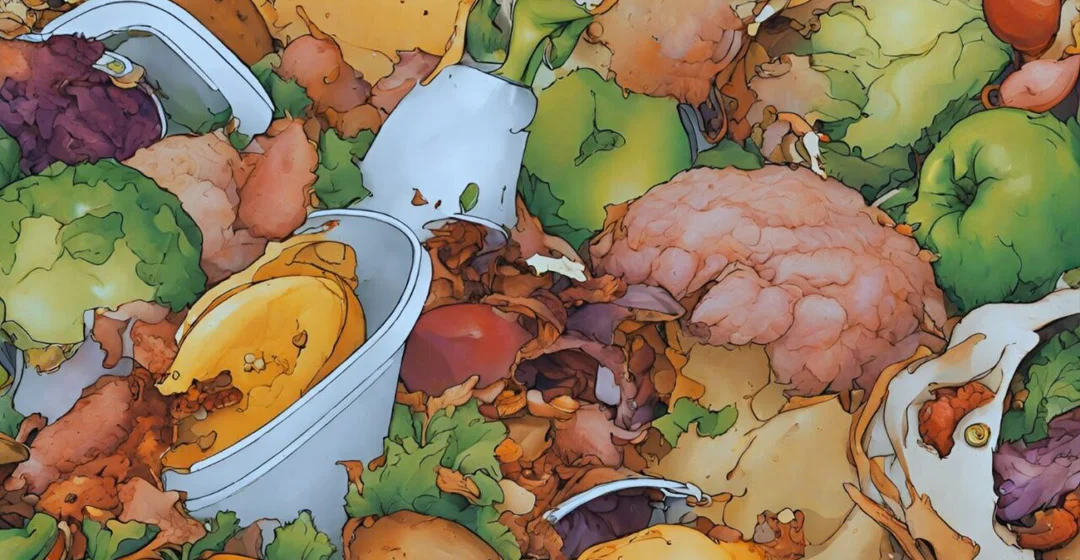
The International Day of Awareness of Food Loss and Waste is once again on the agenda this year. Paradoxically, with more and more families struggling to get enough to eat, the amount of food waste is growing. Although a third of food goes to waste, some 25% of families experience food insecurity.
Food waste has been addressed from multiple perspectives and focusing on a variety of angles and points in the food life cycle. Some of the factors identified as sources of the problem have to do with the food supply chain and industrial production model (which overproduces, resulting in preventable surpluses), households (as a source of food waste due to lack of planning), and consumer behavior (as consumers are often overly concerned with how products look). According to the Food Waste Index Report, in 2019, around 931 million tons of food waste were generated around the world, equivalent to 17% of global food production.
Food waste also impacts the environment. An estimated 8% to 10% of greenhouse gas emissions are associated with the production of food that is not consumed. The need for organizations that respond to food emergencies is thus particularly important. What role do food banks play in addressing social and environmental needs and redistributing food to people who are food insecure?
Author:
Mireia Yter researcher at the Institute of Social Innovation in Esade