Carlos Victoria
Carlos Victoria Lanzón is a consultant for social protection and labour at the World Bank and a research economist at EsadeEcPol.

25 Jun, 2025
With the support of Ingeus ↓ Download the full report The Spanish labour market continues to show significant structural imbalances: high unemployment rates —overall, youth and long-term— represent a fundamental challenge. This challenge is more acute in autonomous communities with high unemployment and low labour force participation. In addition, certain groups (such as people with […]

6 Mar, 2023
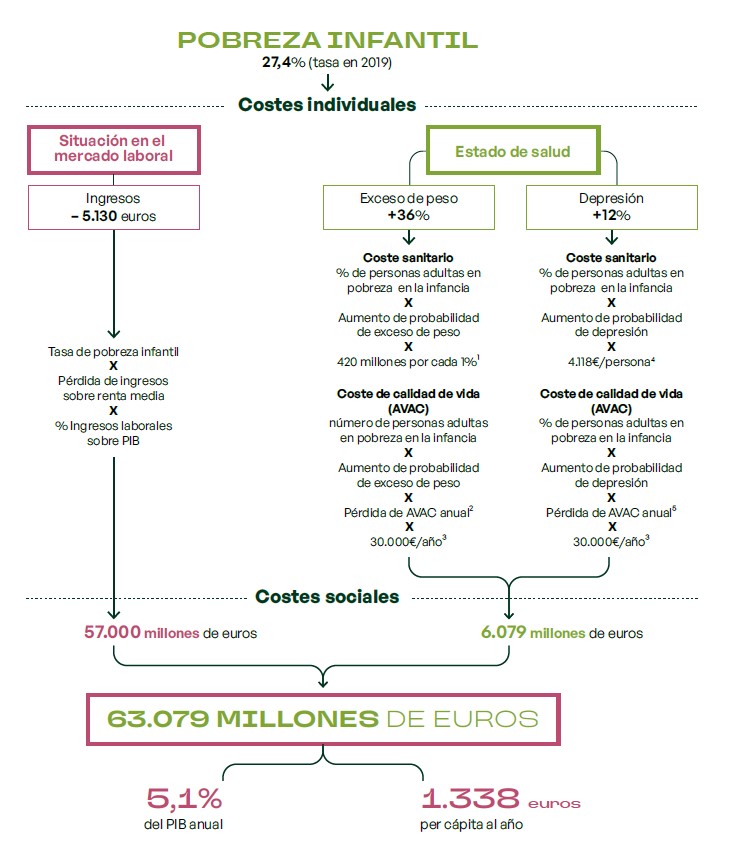
EsadeEcPol took part in the preparation of the study “The cost of child poverty in Spain”, presented today by the High Commissioner against Child Poverty, together with Romén Adán (KSNET), María Sánchez (KSNET/LSE), Luis Ayala (UNED), María Romaguera (UNED), Mariña Fernández (UAH), Judit Vall (UB) and Carlos Victoria (EsadeEcPol/UCM), under the direction of Libertad González […]
28 Feb, 2023
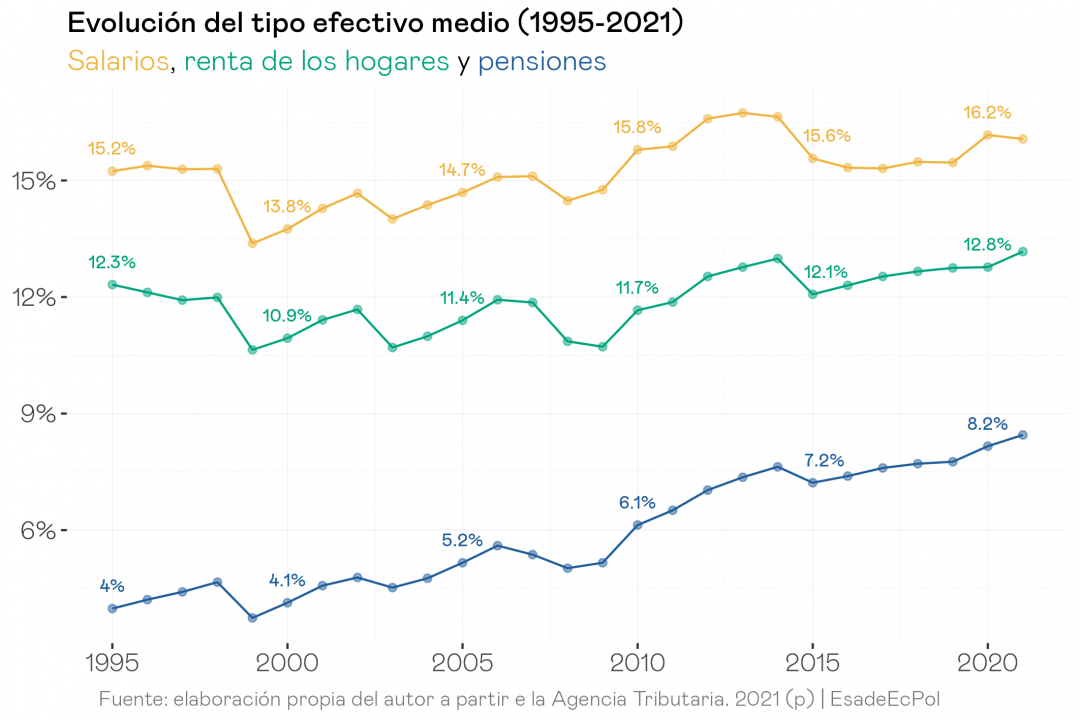
The progressivity of the Spanish tax system rests mainly on personal income tax (IRPF). However, the marginal rate that expresses this progressivity behaves erratically: it goes from 0% up to 15,000 euros to increasing by 43 points at low income levels, and then falls again for middle incomes. The most extreme example of this anomaly […]

28 Apr, 2022
→ Temporary employment is one of the biggest problems in the Spanish labour market. It is high, present in all sectors, generates inefficiencies and economic problems, especially for certain groups, and is usually involuntary. → The 2021 Labour Reform has tried to tackle this problem through (i) the abolition of the temporary contract for a […]

7 Apr, 2022
The short- and medium-term effect of the economic decoupling between Russia and Europe resulting from the invasion of Ukraine is a double blow to Spaniards’ purchasing power, combining rising inflation and slowing GDP growth. We expect the crisis to reduce Spain’s expected growth for 2022 by more than 1%, with upside risks. Inflation, for its […]




20 Apr, 2021
Los valores medios de contaminación en la mayoría de las ciudades exceden el umbral fijado por la Organización Mundial de la Salud.

21 JAN, 202117:30 - 18:15 h
In this webinar, Toni Roldán, director of EsadeEcPol, and Manuel de la Rocha, Secretary-General of Economic Affairs and G20.