The silent fracture of housing: when inheritance matters more than salary
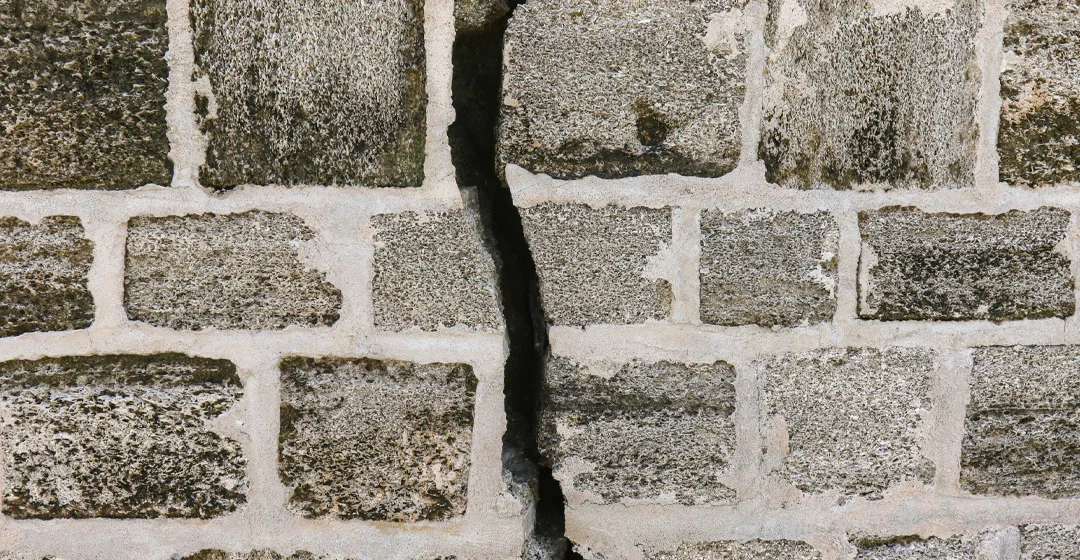
There is a conversation that repeats itself, with only slight variations, in many households across southern Europe. A person between 30 and 40 years old explains, with a mixture of resignation and bewilderment, that they earn more than their parents did at the same age, yet live worse. They work, contribute to the system, save what they can, and still the possibility of accessing homeownership drifts a little further away each year. Their parents bought in the 1970s or 1980s, accumulated wealth almost unintentionally, and today are small-scale property owners without ever having considered themselves investors. The question underlying this conversation is uncomfortable: are we facing a wage crisis, or something deeper?
The answer, supported by growing evidence, points to the latter. Spain and much of the Western world are undergoing a silent transformation in the nature of inequality. For decades, the redistributive debate revolved around labor: wage gaps, job insecurity, trade union rights. These tensions remain real. But they have been overshadowed by a different kind of fracture, one that is harder to frame politically and even harder to reverse: wealth inequality, with housing as the central asset.
Read more (article available in Spanish)
Article by Raluca Budian, Associate Director of the Observatory for Adequate Housing at Esade’s Institute for Social Innovation, published in Cinco Días.