Molly vs the Machines': ESADE and SoReDI talk with Marc Silver about digital design and wellness
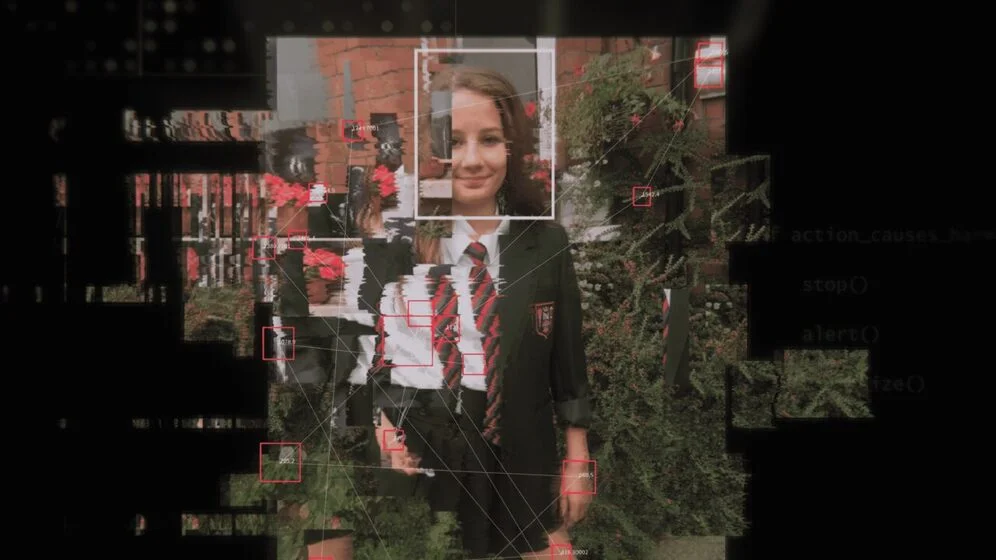
The Chair for Socially Responsible Digital Innovation organized a special screening of the documentary Molly vs the Machines, with the presence of its director, Marc Silver, winner on two occasions of the Sundance Festival and nominated for the Emmy Awards. After the screening, Liliana Arroyo, director of the Chair, led a conversation with Silver that gave a question time open to the audience, focused on the challenges posed by relational technology in the lives of the youngest. The project combines the academic rigour of Shoshana Zuboff, professor emeritus at Harvard and author of the reference work The Age of Surveillance Capitalism (2019), with the film narrative of Marc Silver, co-writer and director of the film.
The documentary tells the story of Molly Russell, a 14-year-old British teenager who committed suicide in 2017 after being continuously exposed to content about self-injury and suicide on social media. Molly’s father, Ian Russell, is the guiding thread: his research takes him from his daughter’s room to the headquarters of the great tech companies in Silicon Valley. The film has been made in close collaboration with the Russell family, which has promoted the Molly Rose Foundation in memory of their daughter, and the treatment of their story seeks at all times to respect it without falling into the exploitation of family pain. The documentary will be available from today in Movistar Plus+.
For those who want to delve deeper, the same page of the documentary makes available to the public an experimental bot developed by Empathy AI. Unlike conventional conversational assistants, this system does not seek to generate a link or retain attention: it allows questioning the complete transcription of the documentary and the letters Ian Russell sent to the British government on online security, but it does so without saving or reusing the conversation data, without simulating emotions or looking for familiarity with the user. It is, in a way, a deliberate counterexample: an AI built to invite you to ask yourself things, not to generate dependency or maximize use.