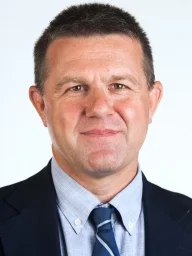
BASF Spain CEO at Matins Esade: “We produce chemicals for a sustainable future”
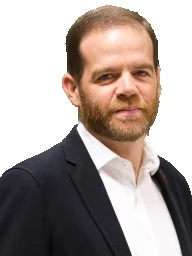
“Sustainability is at the heart of BASF’s purpose, and we produce chemicals for a sustainable future”, said Carles Navarro, BASF Spain CEO at the latest session of Matins Esade. “We’re aiming to be carbon neutral by 2050, with a midway target in 2030 when we want to have reduced the emissions of the benchmark year by 25%. This target is cited in our annual report on a par with our financial targets, and also our goals of fairness and safety”, explained Navarro.
The company’s CEO also detailed its “radical decarbonization strategy”, which includes “five cornerstones based on one essential principle: the decarbonization of the chemical industry by using competitively priced, green, renewable electricity in production.” In this respect, “we want to steadily increase the proportion of green energy at BASF from 16% today to 50% in 2030, and 70% by 2035. To this end, we’ll be investing €4bn over the next seven years”, he announced.
“Offshore wind power is the most competitive way to generate green electricity today and BASF is firmly committed to it,” according to Navarro. By way of example, he mentioned their investment in building offshore wind farms, such as the one being launched off the coast of the Netherlands – the largest wind farm in the world, owned by Vattenfall, Allianz and BASF – which will supply green electricity to the company’s center in Antwerp (Belgium).
During Matins Esade, the chemical company also outlined its commitment to swap from gas-fired to electrically driven steam generation at its plants, using electrical boilers and engines instead of turbines to make the most of the residual heat of heat pumps. “BASF is working with Siemens on developing the world’s largest heat pump to make the most of residual heat and convert it into steam without using gas.”
Purpose and responsibility
The BASF Spain CEO gave an overview of the history of this chemical company from when it established the first global sustainability strategy in 1994 up to its involvement in drafting the SDGs in 2015 as part of the work group at the United Nations, the institution that recognized BASF as a Leading Company in Sustainable Development via the Global Compact in 2018.
During his talk, he also mentioned the need for “thorough, systemic change” and “leading by example.” “What does changing ourselves matter if our actions don’t help change the society in which we live,” he said, emphasizing that “after all, BASF’s emissions in an entire year are equal to one seventh of the emissions generated by humanity in a single day.”
Likewise, he insisted on “finding the reason why or purpose that justifies the company’s existence, what it knows how to do best and what brings value to customers and society”, and also “the three core concepts of BASF Spain: proximity, sustainable chemicals and shared value”.
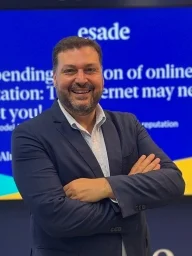
Carles Navarro was joined at this Matins Esade by Patricia Valentí, director of Esade Alumni, and Àngel Castiñeira, director of the Esade Chair of Leaderships and Sustainability. Matins Esade are talks where the actual leaders of the companies and entities involved address their own obstacles and challenges and discuss their track records in them.