Deforestation: proposed EU import ban may fail to protect tropical rainforests and farmers
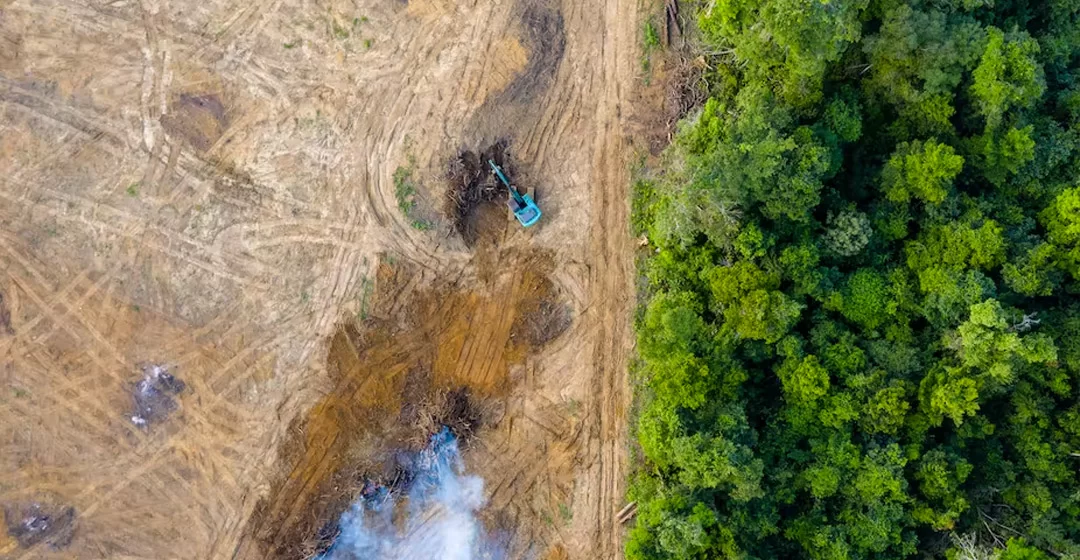
Most European consumers’ shopping baskets tend to include items linked to deforestation in tropical regions, involving agricultural commodities such as beef, soybeans, palm oil, cocoa, rubber, coffee, timber and paper. These so-called “forest-risk” commodities are used in thousands of consumer goods ranging from hamburgers to chocolate bars.
Yet this may be about to change. In December, the EU provisionally agreed on a new regulation to ensure that supply chains are free from processes and products that cause deforestation. The regulation, which is expected to come into force in mid-2023, states that companies will be unable to sell products in the EU that were produced on land cleared after 2020. Companies must prove that their products are produced legally.
But these requirements may harm small-scale farmers and fail to make a visible difference to global deforestation.
In this article, we offer five tips to ensure that the EU can reduce global deforestation while avoiding unintended outcomes.
Authors:
Rachael Garrett, University of Cambridge
Janina Grabs, Universitat Ramon Llull’s Esade Business School (Institute for Social Innovation)
Joss Lyons-White, University of Cambridge
Continue reading this article online:
See online