EsadeGeo Daily Digest, 23/06/2023
EsadeGeo |
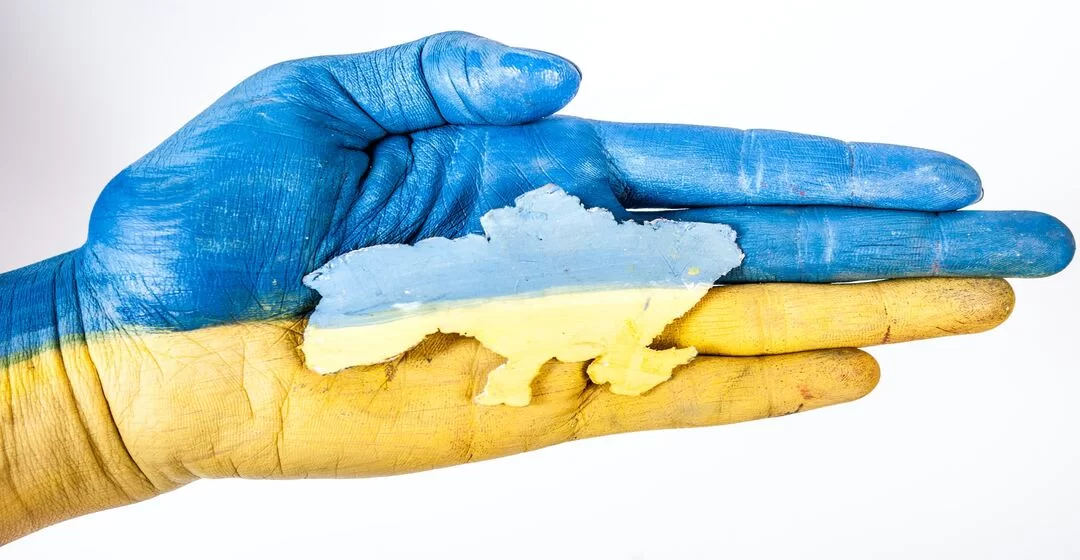
The Guardian – Lorenzo Tondo / Russia accuses Ukraine of using UK-supplied missiles to strike bridge to Crimea
- Russian-backed officials in southern Ukraine have accused Kyiv of using British-supplied long-range missiles to strike a bridge connecting Kherson province with the Crimean peninsula.
- The strike on the Chonhar Bridge, one of the few links between mainland Ukraine and Crimea, came two days after Moscow threatened to attack Kyiv’s “decision-making centres” if western-supplied missiles were used against Crimea, which Russia annexed in 2014.
- A series of photos and videos circulating on Telegram on Thursday showed a large crater on the bridge, with debris littering the roads. There were no casualties reported.
- Vladimir Saldo, the Russia-appointed Kherson governor, suggested the bridge was targeted by Storm Shadow missiles, long-range cruise missiles that Britain confirmed it had provided to Ukraine last month.
The Washington – Mariana Alfaro / Prime Minister Modi focuses on India’s growth in congressional speech
- While addressing a joint meeting of Congress on Thursday, Indian Prime Minister Narendra Modi said his country is “the mother of democracy,” comments that stood in contrast to his critics’ claims that India’s government has undermined democratic principles.
- Lawmakers welcomed Modi to the House chamber warmly, giving him a loud standing ovation. Some in the gallery chanted his name as lawmakers lined up to shake his hand as he made his way toward the dais.
- The prime minister was escorted into the room by a bipartisan group of lawmakers, including Senate Majority Leader Charles E. Schumer (D-N.Y.), Senate Minority Leader Mitch McConnell (R-Ky.), House Majority Leader Steve Scalise (R-La.) and House Minority Leader Hakeem Jeffries (D-N.Y.).
- Modi, in his remarks, celebrated the “bond between the world’s two great democracies” and noted that the United States has the “oldest” democracy, and India the “largest.”
Financial Times – Andy Bounds / EU plans to relax GMO restrictions to help farmers adapt to climate change
- Brussels plans to lift controls on some genetically modified crops to help farmers cope with climate change in a move likely to reignite a Europe-wide debate about the controversial techniques.
- A draft EU regulation seen by the Financial Times proposes that many modified plants should be approved as conventional rather than go through the bloc’s existing GMO regime, which is laborious and expensive.
- The plan would establish a category of plants that have used gene editing to create new varieties but could have been achieved through traditional breeding techniques. They include wheat that can withstand drought, tomatoes resistant to fungus and potatoes containing less acrylamide, which becomes carcinogenic when fried. EU officials say the new techniques are vital to maintain crop yields as farmers contend with changing weather patterns, such as drought and floods.
- They would also reduce the use of pesticides, fertilisers and other chemicals. The proposal could still be changed before being put forward by the European Commission on July 5.
Politico – Giorgio Leali / Riyadh not Rome – anger rises over Macron’s backing for Saudi World Expo
- France has fired anger across Europe by backing Saudi Arabia rather than neighboring Italy to host the glitzy 2030 World Expo, as Emmanuel Macron pushes to boost trade and diplomatic ties with the world’s largest oil exporter.
- The French president’s support of a bid run by Saudi Arabia’s Crown Prince Mohammed bin Salman (known as MBS) has irked Rome and raised concerns from NGOs campaigning against human rights abuses in Saudi Arabia, and in the wake of the brutal killing of journalist Jamal Khashoggi in 2018 — reportedly ordered by MBS himself. Macron’s move is now also raising concerns in other EU countries.
- Four countries have bid to host the 2030 World Expo — a massive event that allows countries to showcase themselves, held every five years, and which can generate cash, jobs and global attention. As well as Italy and Saudi Arabia, Ukraine and South Korea put themselves forward (although Ukraine’s bid has been excluded because of the invasion).
- The race to be host entered a decisive phase this week in Paris, home to the Bureau International des Expositions (BIE) — which oversees World Expos — with candidate countries making pitches to delegates from the 179 BIE countries. A vote via secret ballot will determine the winner in November.
Our opinion reads for the weekend:
- Foreign Affairs – Carter Malkasian / The Korea model
- Project Syndicate – Richard Haass / A tale of two invasions
- Financial Times – Alan Beattie / An impasse over finance between rich and poor that threatens the planet
- The Guardian – Timothy Garton Ash / Seven years on, the UK and EU are still drifting apart. The public wants a change