

José Montalbán Castilla
Profesor Asistente de Economía, Swedish Institute for Social Research (SOFI) en Stockholm University
26 May, 2026
In Spain, the maximum number of pupils per classroom is 25 in Primary education and 30 in lower secondary education (ESO). On 11 November 2025, the Ministry of Education, Vocational Training and Sport (MEFPD) presented the draft Bill to reduce the maximum class size to 22 pupils in Primary and 25 in ESO, and to […]
14 Oct, 2025
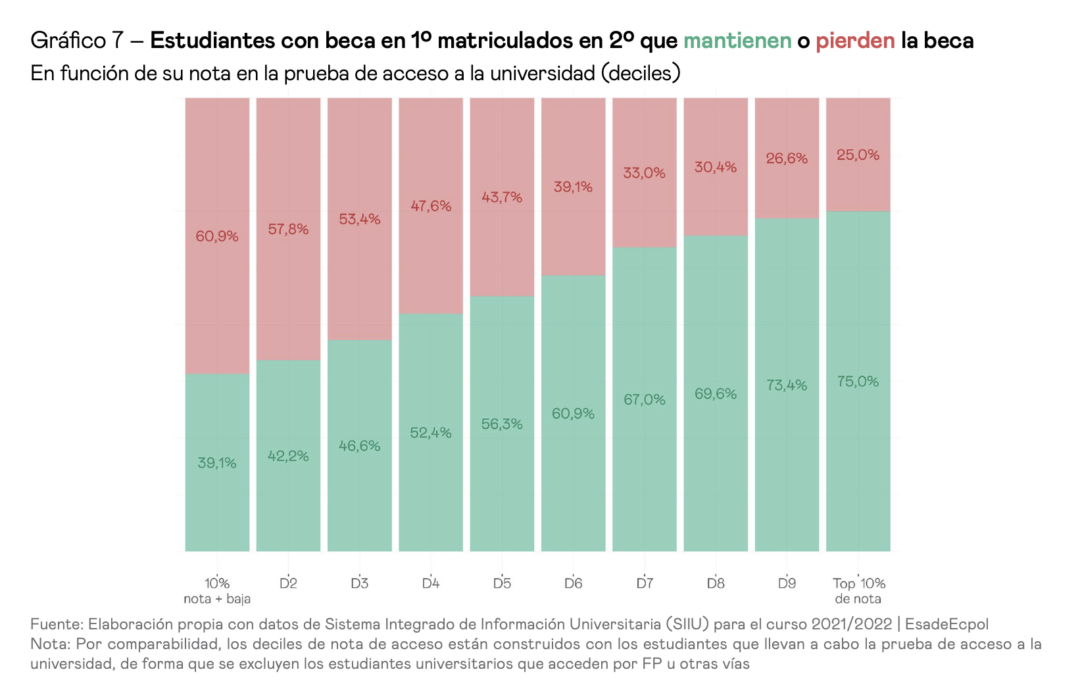
El sistema de becas universitarias constituye un pilar clave de la política educativa para garantizar la igualdad de oportunidades en el acceso y la permanencia en la universidad. No obstante, a pesar de su relevancia, existe poca evidencia sobre su efectividad en España: diferentes análisis señalan que los estudiantes beneficiarios de beca tienden a obtener […]
20 Dec, 2023
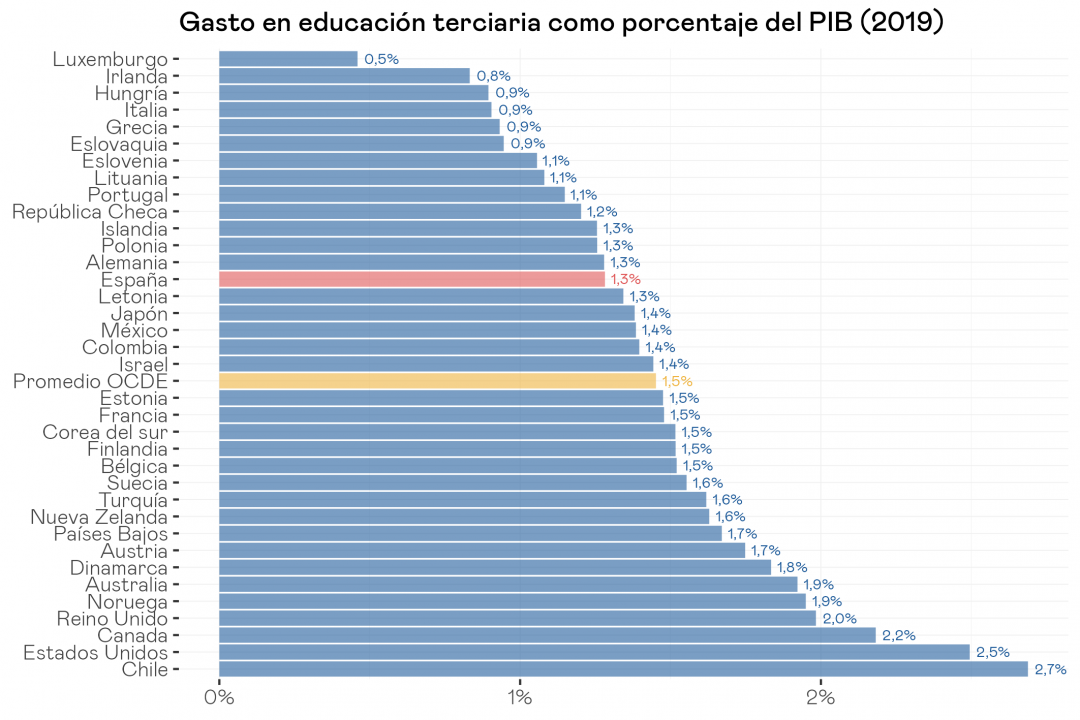
University grants are the central public policy for trying to equalise access to higher education for young people from socio-economically disadvantaged families. In Spain they have a coverage of approximately 25%, and are awarded on the basis of income level and family size, conditional on meeting minimum academic requirements. In this respect the Spanish system […]

29 Jun, 2021
Despite the narrowing of other gender gaps in the labour market, women choose degrees in science, technology, engineering and mathematics (STEM) less often. Using microdata from diagnostic tests in the Community of Madrid between 2016 and 2019, we see the labour market gap reflected in compulsory education: on average, girls outperform boys in reading, but […]