Bary Pradelski
Bary Pradelski is an associate professor of economics at CNRS and an associate member of Oxford-Man Institute.
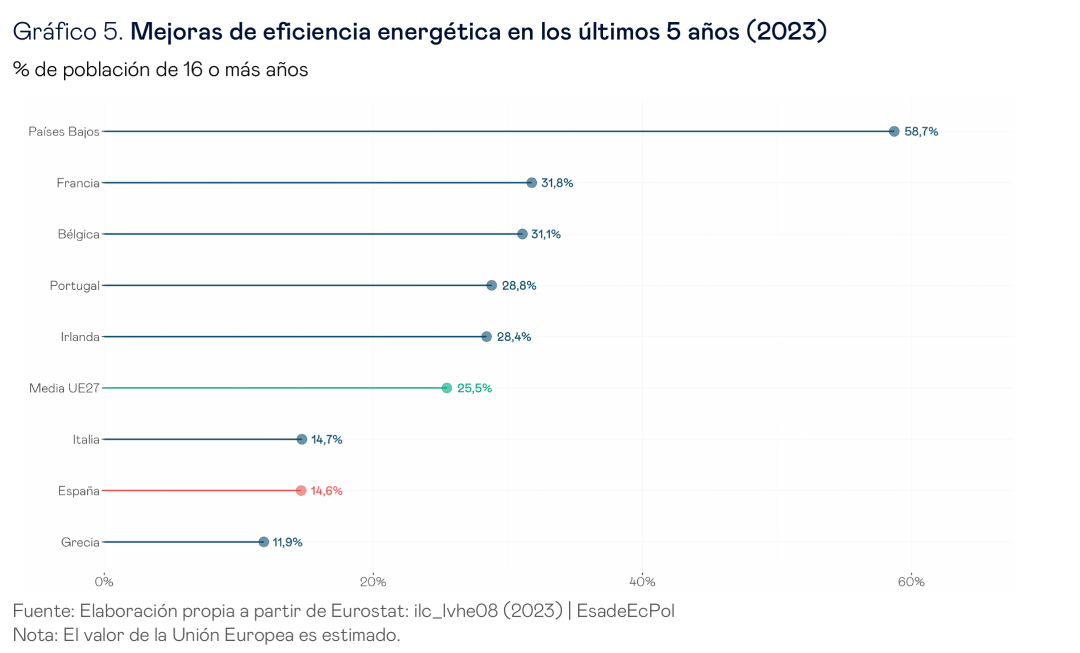
An X-ray of the reforms to improve the energy efficiency of homes in Spain
22 July 2026
Adapting homes to use the energy consumed by the household that lives in them as efficiently as possible is one of the factors that most determines their living conditions, and its importance keeps growing: rising energy prices have increased the cost of living in an inefficient home, and climate change is intensifying thermal stress, above […]
26 May 2021
Combining an inclusive health pass with an incremental classification of zones is crucial to return to normality as soon as possible, and to avoid new widespread closings.

Exit strategy: Turning Europe’s Green Zoning strategy into a success
3 February 2021
After multiple infection waves, lockdowns and reopenings, the delayed vaccination campaigns leave Europe in dire need of a convincing exit strategy from the Covid-19 pandemic. Green Zoning consists in the differentiation of geographical areas dependent on their epidemiological situation and the adoption of targeted travel restrictions. This strategy is designed to halt the spread […]
17 December 2020
We propose focus testing, a simple and highly effective strategy designed to detect and prevent outbreaks.

11 November 2020
We propose that the distribution of vaccines should be based on the prevalence of the virus in each zone.

Green-zone travelling: A pan-European strategy to save tourism
4 May 2020
European green zones represent a unique opportunity for the EU to demonstrate leadership, creating a win-win situation for all countries.
Exit strategy: from self-confinement to green zones
8 April 2020
We propose a practical exit strategy that is based on identifying green zones, and progressively joining them together once it is safe to do so.
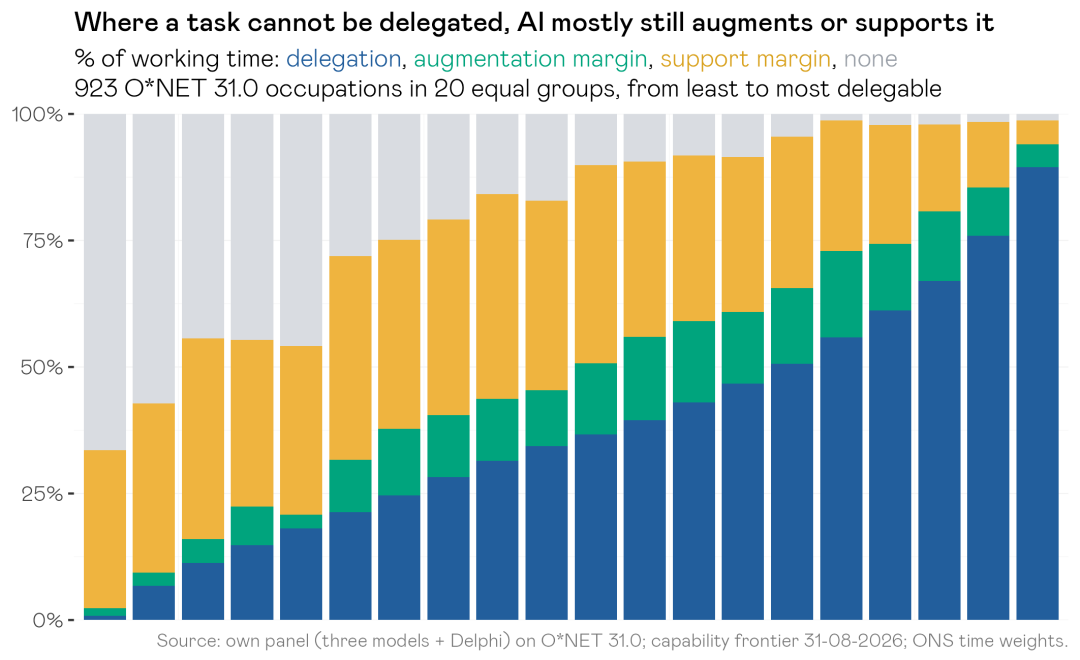
Delegate, augment, support: a nested task-level measure of generative-AI exposure
1 January 2019
This paper proposes a method to measure potential exposure to generative AI for every task in O*NET, the US occupational database. The result is three nested exposure levels, which can be used for applied work on labour markets. Each task is read in the context of its occupation. We first ask whether the task can […]