The impact of the pandemic on tourism: models, length of stay and the rental market
José María Raya
14 Jul, 2021
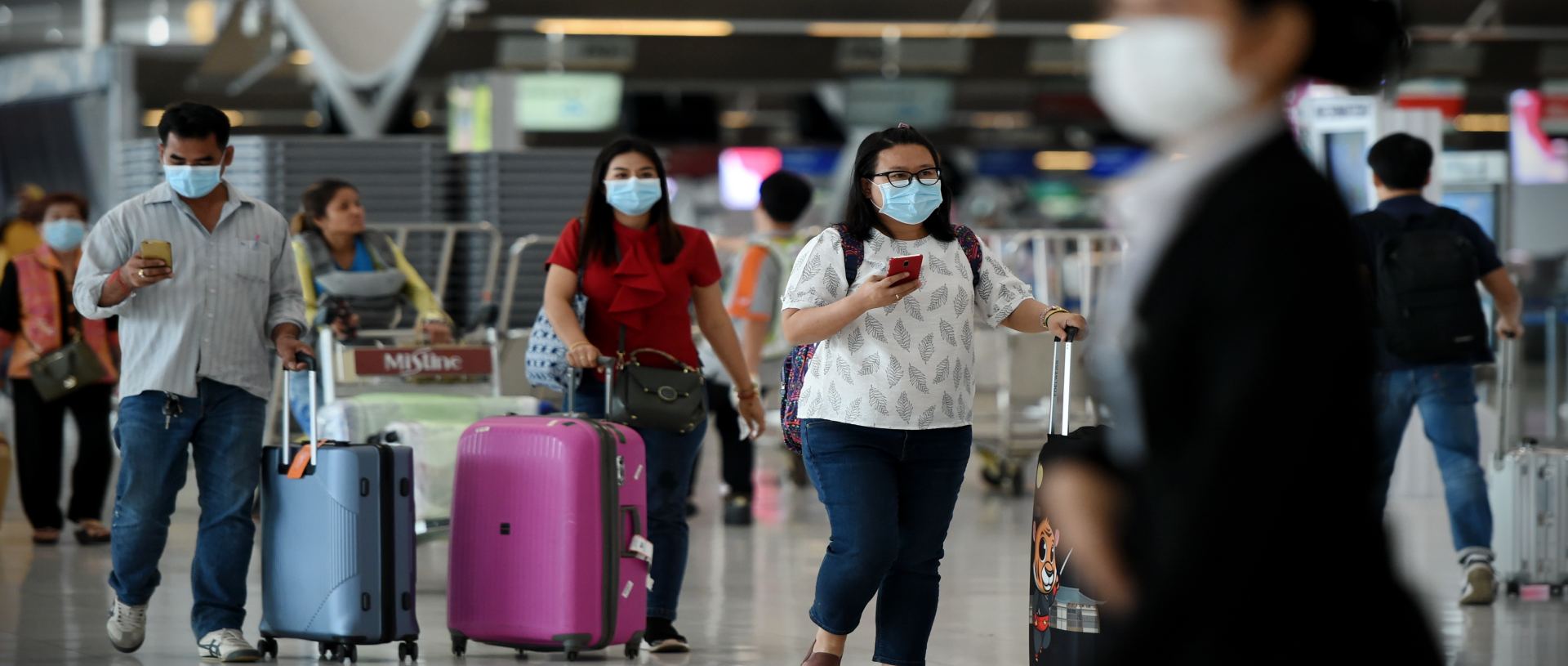
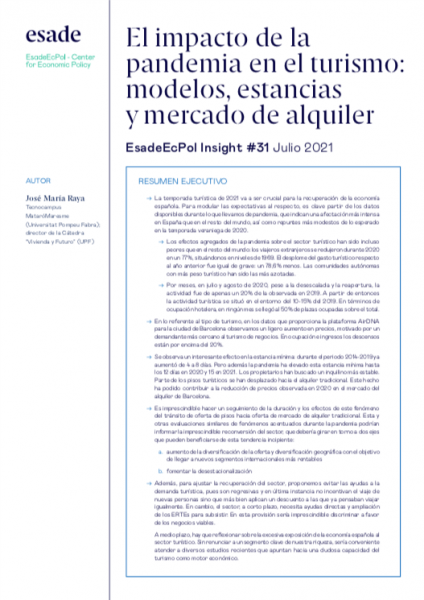
The 2021 tourist season will be crucial for the recovery of the Spanish economy. To calibrate expectations, it is key to start from the data available so far during the pandemic, which point to a more severe impact in Spain than in the rest of the world, as well as more modest rebounds than expected in the 2020 summer season.
→ The aggregate effects of the pandemic on the tourism sector have been even worse than in the rest of the world: foreign visitors fell by 77% in 2020, taking us back to 1969 levels. The collapse in tourist spending compared with the previous year was just as severe: 78.6% less. The regions most dependent on tourism have been the hardest hit.
→ By month, in July and August 2020, despite the easing of restrictions and reopening, activity was barely 20% of that observed in 2019. From then on, tourist activity stood at around 10-15% of 2019 levels. In terms of hotel occupancy, in no month were more than 50% of places occupied.
- As for the type of tourism, the data provided by the AirDNA platform for the city of Barcelona show a slight increase in prices, driven by demand closer to business tourism. Occupancy and revenue fell by more than 20%.
- An interesting effect is observed in minimum stays: during the 2014-2019 period they had already increased from 4 to 8 days. But the pandemic has further raised this minimum stay to 12 days in 2020 and 15 in 2021. Owners have sought more stable tenants. Some tourist flats have shifted to traditional rentals. This may have contributed to the fall in prices observed in 2020 in the Barcelona rental market.
It is essential to monitor the duration and effects of this shift of flats from the tourist market to the traditional rental market. This and other similar evaluations of phenomena accentuated during the pandemic could inform the essential restructuring of the sector, which should revolve around two axes that can benefit from this incipient trend:
a. Greater diversification of supply and geographical diversification, with the aim of reaching new, more profitable international segments.
b. Reducing seasonality.
In addition, to fine-tune the recovery of the sector, we propose avoiding aid to tourist demand, as it is regressive and ultimately does not encourage new people to travel but rather applies a discount to those who were already planning to travel anyway. Instead, in the short term, the sector needs direct aid and an extension of furlough schemes (ERTEs) to survive. In providing this aid, it would be essential to favour viable businesses.
In the medium term, we need to reflect on the Spanish economy’s excessive exposure to the tourism sector. Without giving up a key segment of our wealth, it would be advisable to take into account several recent studies that point to tourism’s doubtful capacity as an economic engine.

José María Raya es profesor de economía en Tecnocampus - Universitat Pompeu Fabra
View profile