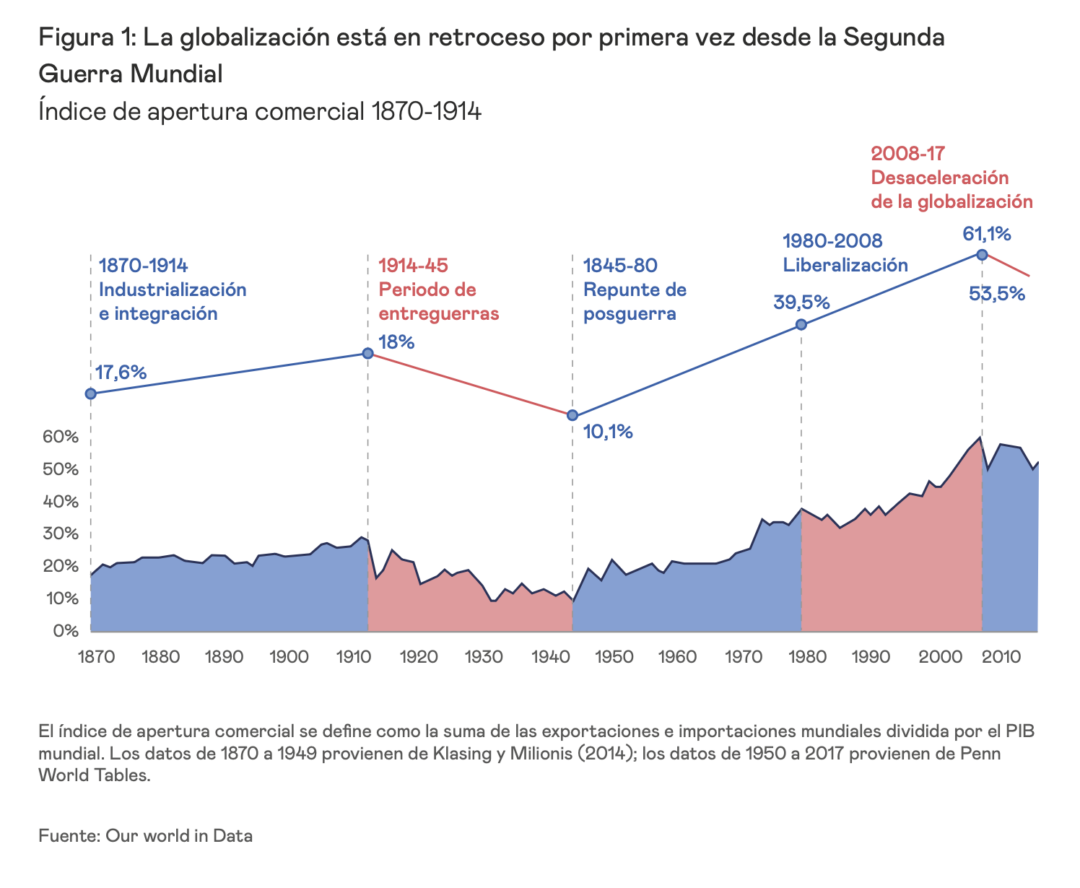
→ Both the U.S. and EU have shifted toward protectionist policies and industrial subsidies (Infrastructure Investment and Jobs Act, CHIPS Act, IRA; European Chips Act, MRR), reversing the era of tariff openness and raising regulatory uncertainty.
→ Discretionary tariff exemptions and the unpredictability of new trade barriers complicate business planning, raise capital costs, and disrupt global value chains.
→ Policymakers face a dilemma: inaction may lead to deindustrialization, while matching foreign subsidies risks high fiscal costs and inefficient resource allocation.
Read the full article:

Related content

Informe Económico y Financiero
Informe Económico y Financiero #37