Using big data to analyse the effect of COVID-19 on student learning
Ismael Sanz, Miguel Cuerdo, Luis Miguel Doncel
21 Jul, 2021
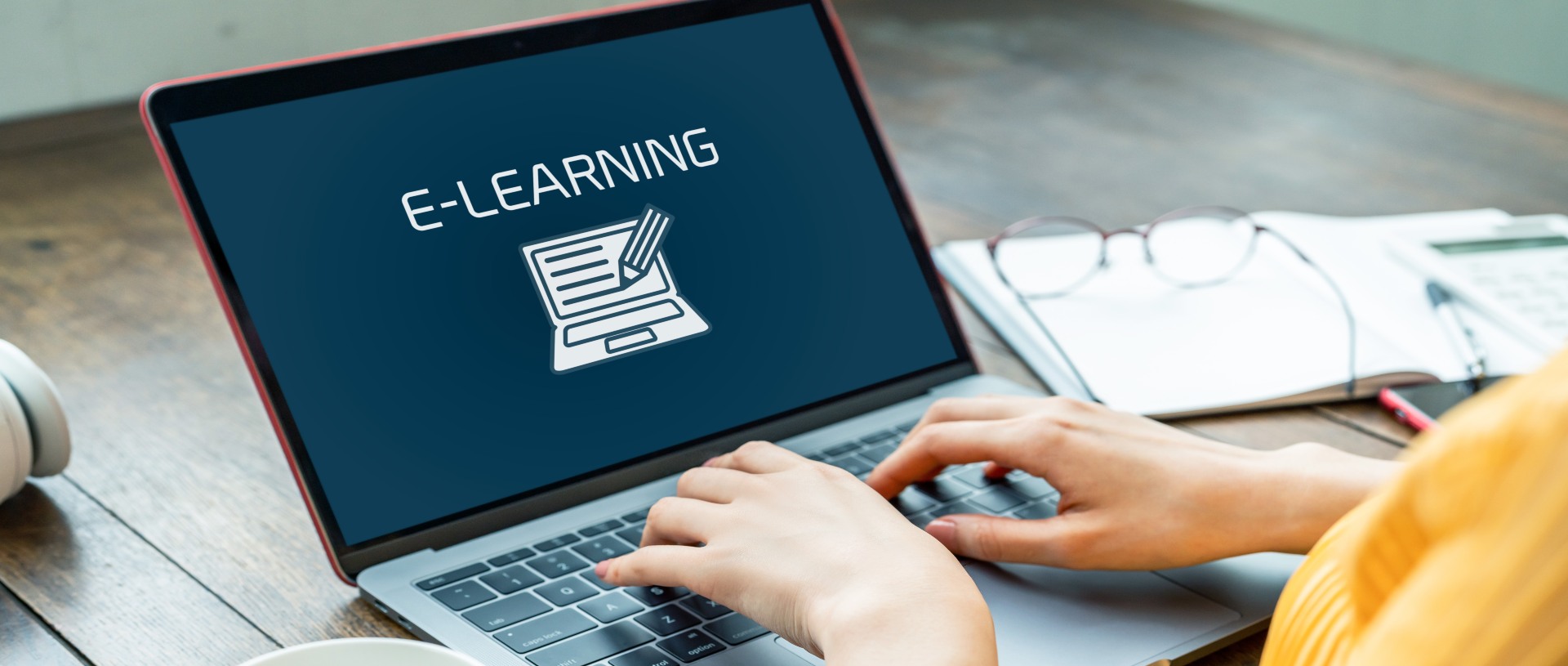
According to a novel analysis of real-time search data from Google Trends and Google Classroom in Spain, the onset of the health crisis led to a very widespread increase in the use of digital educational resources, with searches for online applications tripling. Since the start of the pandemic there has been a significant increase in the use of online applications for educational purposes during school closures, reaching an intensity that would not otherwise have been reached until at least 2022.
→ But unlike what other analyses have observed in places such as the United States, in Spain there is no divergence in searches for digital educational tools by income level, at least for freely accessible applications.
→ In fact, localities with lower per capita income have seen greater growth in searches for Google Classroom, the most widely used digital educational tool, than municipalities with higher per capita income. It should be noted that this result does not rule out the possibility that it was the better-off families in municipalities with lower per capita income who reacted most to school closures, turning to educational applications to make up for the lack of face-to-face classes.
→ Likewise, there is a significant reduction in the intensity of searches for educational resources as the end of the 2020/21 school year approaches and the school closures decreed in March 2020 recede.
→ In terms of education and development policy, there are clear implications for action:
- These data highlight the importance of investment in digital infrastructure for a country’s development and social cohesion. The fiscal stimulus measures that could be implemented should include providing laptops and subsidising home connectivity for low-income students, together with training in online education for both these students and teachers.
- Tutoring in small groups of 5 or 6 students could be very useful for recovering part of the lost learning, as it is one of the measures for which there is rigorous empirical evidence of effectiveness.
- The reduction in the student-teacher ratio per class that has taken place this school year may also have positive long-term effects through the improvement it brings to students’ non-cognitive skills (such as perseverance, determination, motivation and resilience).
Profesor de Economía Aplicada de la Universidad Rey Juan Carlos. Grupo de Investigación GEIPE_URJC.
View profile