In a world where natural resources are rapidly depleting and environmental pressures continue to rise, the circular economy emerges as a viable and sustainable solution for organizations. This model not only aims to minimize environmental impact but also offers numerous economic and competitive advantages.
Aware of this reality, at Esade, we will analyze what the circular economy is, how it differs from the linear economy, and, most importantly, the benefits it brings to businesses, from cost reduction to improving brand image.
What is the Circular Economy?
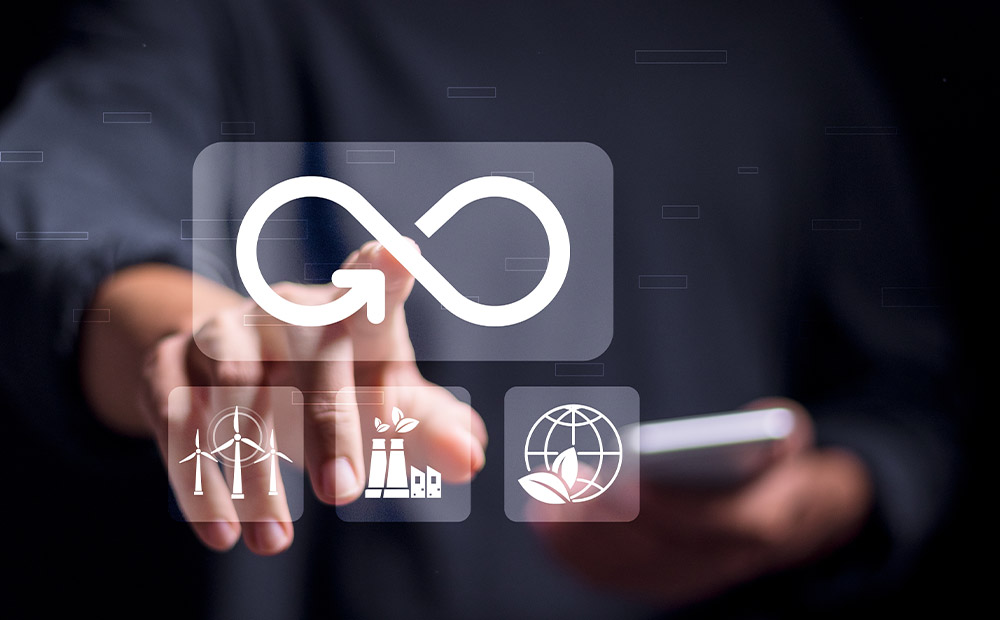
If you are wondering what the circular economy is, let us explain: it is an economic model that seeks to redefine the way we produce and consume goods and services, with the goal of creating a more sustainable and efficient system. This approach is based on keeping resources in use for as long as possible, optimizing their value at every stage of their lifecycle.
To achieve this, the circular economy relies on the reuse, repair, refurbishment, and recycling of materials and products. Instead of viewing products at the end of their life as waste, this model treats them as resources that can be reintegrated into the economic cycle. This reduces the need for new resources and minimizes waste generation.
Unlike the traditional linear economy model, which follows the “take, make, use, and dispose” pattern, the circular economy promotes smarter product design, prioritizing durability, reparability, and upgradeability.
Therefore, goods are designed from the outset to have a second life, whether through dismantling into useful parts or converting them into new goods.
A practical example of this transition is IKEA. Traditionally, IKEA’s business model focused on producing and selling affordable furniture, following a linear cycle where products were discarded at the end of their lifecycle. However, in its commitment to the circular economy, the company has implemented several strategies: it has launched furniture rental services and buyback programs where customers can return used furniture to be refurbished or recycled. This way, IKEA extends the lifecycle of its products, reduces waste generation, and minimizes the need for new resources.
The selection of productive materials, i.e., raw materials, is also of utmost importance, as is innovation in utilizing new materials. An example of the circular economy is the company Ecoalf, which uses coffee waste to make jackets.
In essence, the circular economy not only seeks to close the lifecycle of products but also aims to create a regenerative system in which economic growth is decoupled from finite resource consumption. This way, besides benefiting the environment, it offers new business opportunities by reducing dependence on raw materials and establishing a solid foundation for more resilient and sustainable economic development over time.
Difference Between Linear and Circular Economies
The linear economy model, prevalent in most industries, follows a sequential process that ends with the disposal of products at the end of their lifecycle. This not only generates large amounts of waste but also creates an unsustainable dependence on natural resources, which is referred to as the cowboy economy versus the astronaut economy.
In contrast, the circular economy advocates for a regenerative system where products and materials are kept within the economic cycle, preventing waste generation and promoting long-term sustainability.
Below, we detail the specific differences between the linear and circular economies:
- Resource Approach
- Linear economy: It is based on the continuous extraction of natural resources to produce goods, without concern for regeneration or reuse.
- Circular economy: It seeks to maximize resource efficiency by keeping them in use for as long as possible through reuse, recycling, and regeneration
- Product Lifecycle
- Linear economy: Products follow a short lifecycle, moving from production to consumption and ending as waste, with no consideration for potential reuse.
- Circular economy: Goods are designed to have an extended lifecycle, with multiple uses, repairs, and recycling before reaching the end of their utility.
- Waste Management
- Linear economy: Generates large amounts of waste at the end of the product lifecycle, often ending up in landfills or incinerated.
- Circular economy: Manages waste as resources that can be reintroduced into the production cycle, minimizing waste and maximizing material utilization.
- Product Design
- Linear economy: Goods are designed to fulfill a specific function without considering durability or recyclability.
- Circular economy: Products are developed to be durable, easy to repair, and capable of being updated or dismantled for recycling.
- Environmental Impact
- Linear economy: Increases pressure on the environment due to the continuous exploitation of natural resources and accumulation of waste.
- Circular economy: Significantly reduces environmental impact by optimizing resource extraction and waste generation.
- Business Model
- Linear economy: Focuses on producing and selling products, with little consideration for what happens after consumption.
- Circular economy: Promotes business models based on services, such as leasing, reuse, and material recovery, fostering a more sustainable economy.
- Economic Growth
- Linear economy: Economic growth is linked to increased resource consumption, leading to unsustainable exploitation.
- Circular economy: Decouples economic growth from finite resource consumption, fostering more resilient and sustainable economic development.
You may be interested in our training -> Sustainable Management and the 2030 Agenda
Key Benefits of the Circular Economy for Businesses
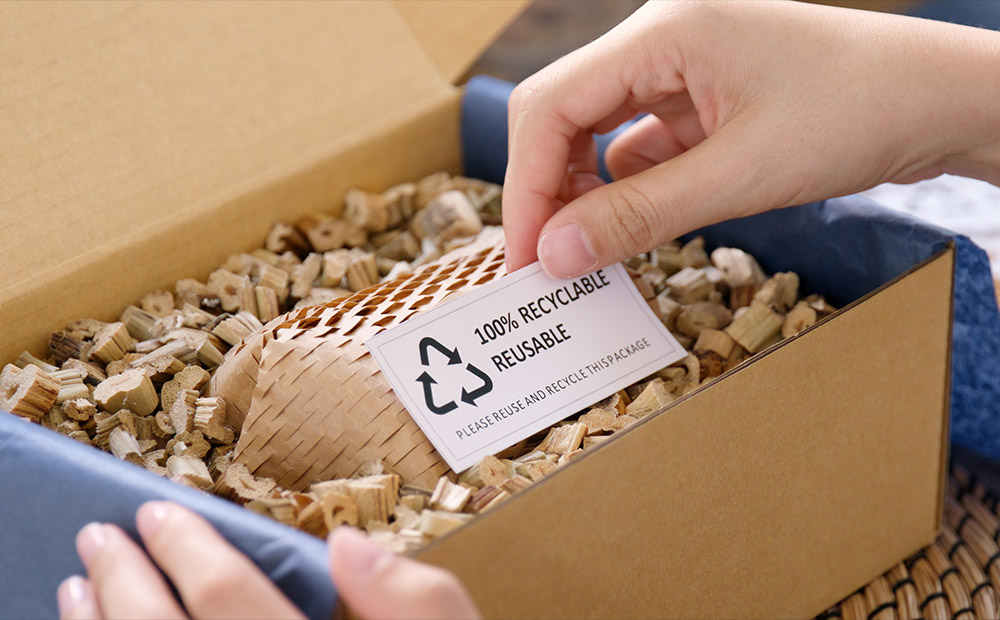
Adopting a circular economy model not only addresses current environmental challenges but also provides companies with various competitive advantages. Esade, we highlight the most relevant benefits that the circular economy can offer to the business environment:
#1 Cost Reduction
One of the main advantages of the circular economy is the reduction of operational costs. By reusing materials and minimizing waste, companies can significantly lower their spending on raw materials and waste management. Additionally, the implementation of more efficient and sustainable processes can reduce energy and water consumption, resulting in considerable long-term savings.
#2 New Business Opportunities
The transition to a circular economy model also opens the door to new business opportunities. From developing eco-friendly products to creating repair and refurbishment services, companies can explore new markets and meet the growing demand for sustainable solutions. Moreover, the circular economy encourages innovation, driving companies to develop technologies and processes that optimize resource use.
#3 Improved Brand Image
In an increasingly sustainability-conscious business environment, adopting a circular economy model significantly improves brand image. Indeed, consumers increasingly value organizations that demonstrate a genuine commitment to the environment. For this reason, implementing circular practices not only strengthens corporate reputation but also attracts customers and partners who share these same values.
#4 Increased Competitiveness
Adopting the circular economy can also translate into a competitive advantage. Companies that lead in sustainability often position themselves better in the market, not only because of the positive perception of consumers but also because of their ability to operate more efficiently.
Furthermore, government policies and environmental regulations increasingly favor entities that adopt sustainable models, resulting in economic and fiscal incentives.
#5 Increased Supply Security of Materials
The circular economy helps secure the supply of raw materials by reducing dependence on virgin resources. By recycling and reusing materials, companies can mitigate risks associated with resource shortages and price fluctuations in global markets. This formula not only protects organizations from supply chain disruptions but also allows them to plan long-term with greater confidence.
What Are the Principles of the Circular Economy?
The principles of the circular economy guide the design and management of products and processes to maximize the value of resources and minimize environmental impact throughout the entire lifecycle. In the following lines, we examine these key principles and their influence on business practice:
Awareness of Natural Resources
One of the indispensable principles of the circular economy is the continuous improvement of natural resources. This implies not only reducing the use of virgin raw materials but also regenerating ecosystems. Companies that adopt this sustainable principle typically invest in practices that restore biodiversity and improve the quality of soil, water, and air.
System Efficiency
The circular economy promotes the efficiency of the entire system, seeking to maximize the value of products and materials throughout their lifecycle. As we have seen throughout this article, this includes designing durable products, optimizing production processes, and implementing business models that prioritize sustainability. In summary, by adopting a holistic approach, companies can improve performance and reduce their environmental impact.
Resource Optimization
Resource optimization is another key principle of the circular economy. Organizations should strive to use resources more efficiently, minimizing waste and maximizing the value obtained from each material.
Besides recycling and reuse, revaluation of by-products and industrial waste is also considered, converting them into new sources of income.
If you are passionate about this content, check out our program -> Executive Education on Circular Economy.
Ultimately, the circular economy offers companies a unique opportunity to transform their business model into one that is more sustainable and profitable. By reducing costs, opening new business opportunities, improving brand image, and securing raw material supplies, the circular economy presents itself as a key strategy to tackle future challenges.
Adopting these principles not only benefits companies individually but also contributes to healthier and more resilient global economic development. Join the circular economy because the future is sustainable.