Benefits of the Circular Economy for Businesses
In a world where natural resources are rapidly depleting and environmental pressures continue to rise, the circular economy emerges as a viable and sustainable solution for organizations. This model not only aims to minimize environmental impact but also offers numerous economic and competitive advantages.
Aware of this reality, at Esade, we will analyze what the circular economy is, how it differs from the linear economy, and, most importantly, the benefits it brings to businesses, from cost reduction to improving brand image.
What is the Circular Economy?
If you are wondering what the circular economy is, let us explain: it is an economic model that seeks to redefine the way we produce and consume goods and services, with the goal of creating a more sustainable and efficient system. This approach is based on keeping resources in use for as long as possible, optimizing their value at every stage of their lifecycle.
To achieve this, the circular economy relies on the reuse, repair, refurbishment, and recycling of materials and products. Instead of viewing products at the end of their life as waste, this model treats them as resources that can be reintegrated into the economic cycle. This reduces the need for new resources and minimizes waste generation.
Unlike the traditional linear economy model, which follows the “take, make, use, and dispose” pattern, the circular economy promotes smarter product design, prioritizing durability, reparability, and upgradeability.
Therefore, goods are designed from the outset to have a second life, whether through dismantling into useful parts or converting them into new goods.
A practical example of this transition is IKEA. Traditionally, IKEA’s business model focused on producing and selling affordable furniture, following a linear cycle where products were discarded at the end of their lifecycle. However, in its commitment to the circular economy, the company has implemented several strategies: it has launched furniture rental services and buyback programs where customers can return used furniture to be refurbished or recycled. This way, IKEA extends the lifecycle of its products, reduces waste generation, and minimizes the need for new resources.
The selection of productive materials, i.e., raw materials, is also of utmost importance, as is innovation in utilizing new materials. An example of the circular economy is the company Ecoalf, which uses coffee waste to make jackets.
In essence, the circular economy not only seeks to close the lifecycle of products but also aims to create a regenerative system in which economic growth is decoupled from finite resource consumption. This way, besides benefiting the environment, it offers new business opportunities by reducing dependence on raw materials and establishing a solid foundation for more resilient and sustainable economic development over time.
Difference Between Linear and Circular Economies
The linear economy model, prevalent in most industries, follows a sequential process that ends with the disposal of products at the end of their lifecycle. This not only generates large amounts of waste but also creates an unsustainable dependence on natural resources, which is referred to as the cowboy economy versus the astronaut economy.
In contrast, the circular economy advocates for a regenerative system where products and materials are kept within the economic cycle, preventing waste generation and promoting long-term sustainability.
Below, we detail the specific differences between the linear and circular economies:
- Resource Approach
- Linear economy: It is based on the continuous extraction of natural resources to produce goods, without concern for regeneration or reuse.
- Circular economy: It seeks to maximize resource efficiency by keeping them in use for as long as possible through reuse, recycling, and regeneration
- Product Lifecycle
- Linear economy: Products follow a short lifecycle, moving from production to consumption and ending as waste, with no consideration for potential reuse.
- Circular economy: Goods are designed to have an extended lifecycle, with multiple uses, repairs, and recycling before reaching the end of their utility.
- Waste Management
- Linear economy: Generates large amounts of waste at the end of the product lifecycle, often ending up in landfills or incinerated.
- Circular economy: Manages waste as resources that can be reintroduced into the production cycle, minimizing waste and maximizing material utilization.
- Product Design
- Linear economy: Goods are designed to fulfill a specific function without considering durability or recyclability.
- Circular economy: Products are developed to be durable, easy to repair, and capable of being updated or dismantled for recycling.
- Environmental Impact
- Linear economy: Increases pressure on the environment due to the continuous exploitation of natural resources and accumulation of waste.
- Circular economy: Significantly reduces environmental impact by optimizing resource extraction and waste generation.
- Business Model
- Linear economy: Focuses on producing and selling products, with little consideration for what happens after consumption.
- Circular economy: Promotes business models based on services, such as leasing, reuse, and material recovery, fostering a more sustainable economy.
- Economic Growth
- Linear economy: Economic growth is linked to increased resource consumption, leading to unsustainable exploitation.
- Circular economy: Decouples economic growth from finite resource consumption, fostering more resilient and sustainable economic development.
You may be interested in our training -> Sustainable Management and the 2030 Agenda

Key Benefits of the Circular Economy for Businesses
Adopting a circular economy model not only addresses current environmental challenges but also provides companies with various competitive advantages. Esade, we highlight the most relevant benefits that the circular economy can offer to the business environment:
#1 Cost Reduction
One of the main advantages of the circular economy is the reduction of operational costs. By reusing materials and minimizing waste, companies can significantly lower their spending on raw materials and waste management. Additionally, the implementation of more efficient and sustainable processes can reduce energy and water consumption, resulting in considerable long-term savings.
#2 New Business Opportunities
The transition to a circular economy model also opens the door to new business opportunities. From developing eco-friendly products to creating repair and refurbishment services, companies can explore new markets and meet the growing demand for sustainable solutions. Moreover, the circular economy encourages innovation, driving companies to develop technologies and processes that optimize resource use.
#3 Improved Brand Image
In an increasingly sustainability-conscious business environment, adopting a circular economy model significantly improves brand image. Indeed, consumers increasingly value organizations that demonstrate a genuine commitment to the environment. For this reason, implementing circular practices not only strengthens corporate reputation but also attracts customers and partners who share these same values.
#4 Increased Competitiveness
Adopting the circular economy can also translate into a competitive advantage. Companies that lead in sustainability often position themselves better in the market, not only because of the positive perception of consumers but also because of their ability to operate more efficiently.
Furthermore, government policies and environmental regulations increasingly favor entities that adopt sustainable models, resulting in economic and fiscal incentives.
#5 Increased Supply Security of Materials
The circular economy helps secure the supply of raw materials by reducing dependence on virgin resources. By recycling and reusing materials, companies can mitigate risks associated with resource shortages and price fluctuations in global markets. This formula not only protects organizations from supply chain disruptions but also allows them to plan long-term with greater confidence.
What Are the Principles of the Circular Economy?
The principles of the circular economy guide the design and management of products and processes to maximize the value of resources and minimize environmental impact throughout the entire lifecycle. In the following lines, we examine these key principles and their influence on business practice:
Awareness of Natural Resources
One of the indispensable principles of the circular economy is the continuous improvement of natural resources. This implies not only reducing the use of virgin raw materials but also regenerating ecosystems. Companies that adopt this sustainable principle typically invest in practices that restore biodiversity and improve the quality of soil, water, and air.
System Efficiency
The circular economy promotes the efficiency of the entire system, seeking to maximize the value of products and materials throughout their lifecycle. As we have seen throughout this article, this includes designing durable products, optimizing production processes, and implementing business models that prioritize sustainability. In summary, by adopting a holistic approach, companies can improve performance and reduce their environmental impact.
Resource Optimization
Resource optimization is another key principle of the circular economy. Organizations should strive to use resources more efficiently, minimizing waste and maximizing the value obtained from each material.
Besides recycling and reuse, revaluation of by-products and industrial waste is also considered, converting them into new sources of income.
If you are passionate about this content, check out our program -> Executive Education on Circular Economy.
Ultimately, the circular economy offers companies a unique opportunity to transform their business model into one that is more sustainable and profitable. By reducing costs, opening new business opportunities, improving brand image, and securing raw material supplies, the circular economy presents itself as a key strategy to tackle future challenges.
Adopting these principles not only benefits companies individually but also contributes to healthier and more resilient global economic development. Join the circular economy because the future is sustainable.
What is ethical leadership: characteristics and examples
In today’s business environment, the need for leadership that is not only effective but also ethical has become imperative. Ethical leadership focuses on integrity and the promotion of values that benefit not only the organization, but also society in general.
Through this article we will explore the definition of ethical leadership, breaking down its characteristics and distinctive traits that every ethical leader must possess. Furthermore, at Esade we have also selected some specific examples of ethical leaders in action to learn from them.
What is Ethical Leadership?
Ethical leadership is a form of leadership based on strong moral principles and universal values, such as integrity, transparency, and respect for others.
Indeed, an ethical leader not only focuses on achieving organizational goals but also on the well-being of their employees and the community at large. This type of leadership involves making decisions that are not only beneficial for the company but also consider the social and environmental impact.
An ethical leader stands out for their ability to inspire and motivate their team, creating a work environment where trust and mutual respect prevail. Transparency is another key pillar of ethical leadership, as leaders who practice this style are open and honest in their communications, fostering a culture of trust and collaboration.
Ultimately, the importance of ethical leadership is characterized by responsibility and fairness, among other aspects. Ethical leaders take responsibility for their actions and decisions and strive to treat all team members fairly and equitably. This includes offering equal opportunities and fighting against any form of discrimination within the organization.
6 Characteristics of an Ethical Leader
We’ve already seen how ethical leadership prioritizes moral principles and the overall well-being of everyone involved, promoting a fair, transparent, and respectful work environment. Now, let’s list the essential principles to successfully implement it:
#1 Respect
Respect is a cornerstone of ethical leadership. Ethical leaders treat all team members with dignity and consideration, valuing their opinions and fostering inclusive strategies so that every individual feels valued and heard.
In other words, respect as a principle of ethical leadership is not just about courtesy and consideration, but a deep and genuine practice of recognizing the dignity and worth of each individual. This practice fosters trust, inclusion, and personal and professional development within the company, contributing to a more just and humane work environment.
#2 Honesty
Honesty is essential for building trust. An ethical leader is transparent in their actions and communications, ensuring that their words match their deeds. In this sense, leaders who practice honesty are not afraid to admit their mistakes, understanding that vulnerability and authenticity strengthen their credibility and moral authority.
This attitude promotes a work environment where employees feel safe to express themselves openly and learn from their mistakes, contributing to an organizational culture based on continuous improvement and mutual respect.
#3 Responsibility
Responsibility means making decisions with full awareness of their consequences and being willing to take the blame when things don’t go as planned. Ethical leaders not only take responsibility for their own actions but also ensure that their team does the same. A responsible leader cares not only about the results but also about the means used to achieve them, ensuring that these are ethical and beneficial to all parties involved.
Responsibility also means being accountable in a transparent way. Ethical leaders are open and honest about their decisions and processes, providing clear and accessible information to all stakeholders. This transparency fosters trust and respect within the company and ensures that leaders are seen as trustworthy and credible.

#4 Fairness
Fairness, as a principle of ethical leadership, refers to a leader’s ability to treat everyone fairly and without favoritism, ensuring that all individuals receive the same respect and opportunities.
An ethical leader recognizes and values individual differences, promoting an inclusive environment where everyone feels valued and heard. This not only involves the fair distribution of resources and benefits but also the implementation of policies and practices that eliminate any form of discrimination or bias. Acting fairly strengthens team cohesion and morale, fostering an organizational culture based on justice and equal opportunities for all.
#5 Trust
An ethical leader is committed to acting transparently and consistently, ensuring that their words and actions are aligned. This consistency creates an environment of predictability and security where employees feel valued and respected.
On the other hand, trust also implies mutual responsibility: leaders trust their employees to carry out their tasks with integrity and dedication, while employees trust their leaders to make fair decisions. This two-way relationship strengthens commitment and loyalty to the organization, reducing staff turnover and increasing team motivation.
#6 Equality
Equality is an essential principle of ethical leadership that underpins the creation of an inclusive and fair work environment. An ethical leader must promote and ensure that all individuals, regardless of gender, race, sexual orientation, religion, or any other personal characteristic, have the same opportunities to participate and advance within the organization.
Promoting equality involves not only complying with anti-discrimination laws and regulations but also going beyond to ensure that internal policies and practices reflect a genuine commitment to equity.
This includes implementing transparent processes for hiring, promotion, and compensation, as well as fostering a corporate culture that values and respects diversity.
Additionally, an ethical leader must be willing to question and challenge norms and biases that may perpetuate inequality within the company. This requires a proactive approach to identifying and addressing disparities and actively working to correct them.
Examples of Ethical Leadership
Through the examples below, we can see the significant impact ethical leadership can have on the transformation and continuous improvement of companies and society.
Satya Nadella at Microsoft
Satya Nadella, CEO of Microsoft, has been an outstanding example of ethical leadership since taking over in 2014. Nadella has transformed Microsoft’s corporate culture by promoting empathy, inclusion, and transparency.
Under his leadership, Microsoft has adopted a more open and collaborative policy, fostering a work environment where every employee is valued and respected. Additionally, Nadella has prioritized accessibility and sustainability, demonstrating a strong commitment to social responsibility.
Paul Polman at Unilever
Paul Polman, former CEO of Unilever, is known for his focus on sustainability and sustainable development. During his tenure, Polman implemented Unilever’s Sustainable Living Plan, which aimed to reduce the company’s environmental impact while increasing its positive social impact.
Polman promoted ethical business practices that benefited not only shareholders but also society and the environment, challenging the traditional view of business and demonstrating that profitability and sustainability can go hand in hand.
Mary Barra at General Motors
Mary Barra, CEO of General Motors, has been an advocate of ethical leadership and transparency. Barra has worked to transform GM’s culture towards greater responsibility and ethics, especially after the vehicle recall crisis.
She has implemented strict safety and quality policies and promoted a culture of transparency and accountability. Her leadership has helped GM regain customer trust and set a higher standard of business ethics in the automotive industry.
Howard Schultz at Starbucks
Howard Schultz, former CEO of Starbucks, is a prominent example of ethical leadership. Schultz promoted responsible business practices and focused on the well-being of his employees, offering health benefits even to part-time workers. His focus on corporate social responsibility has been a model for the industry.
As we have seen throughout the article, ethical leadership is essential for the long-term sustainability and success of any organization. By adhering to principles such as respect, honesty, responsibility, fairness, trust, and equality, ethical leaders can build a strong and positive organizational culture.
Business and the environment: how to measure a company’s environmental impact
In a world where the effects of climate change are becoming increasingly evident and there is a growing global awareness of the need to commit to sustainable practices, companies in all sectors and industries need to measure the impact of their activities on the environment.
These efforts have a positive effect not only on the health of the planet, but also on companies’ reputations: measuring their environmental impact can position them as agents of change and examples to follow in the transition to business models that respect the Earth and people’s lives.
In this article we will explore the key metrics and methods for measuring a company’s environmental impact and the best practices that can be implemented to reduce it. We will also look at how specialized programs can help boost both analytical and leadership skills in sustainability policies.
A study of a company’s environmental impact allows us to identify areas for improvement and take action to reduce its ecological footprint.
What is a company’s environmental impact?
When we talk about the environmental impact of a company, we are referring to the combined effects that its activities have on the natural environment. These can take many forms, such as air and water pollution, excessive consumption of natural resources, waste generation and ecosystem degradation.
Studying a company’s environmental impact makes it possible to identify and quantify these effects, facilitating decision-making to mitigate damage and promote more sustainable practices.

Key metrics for measuring a company’s environmental impact
To measure the environmental impact of a company, various metrics are used to evaluate the most critical areas. These are essential for setting environmental objectives, conducting audits and complying with international standards.
1. Carbon footprint
Carbon footprint is one of the most important metrics. It is an indicator of the total amount of greenhouse gases (GHG) that a company generates either directly or indirectly. Carbon footprint is calculated by analyzing the consumption of fossil fuels and the energy used in production and transportation, among other factors.
Companies can use various tools and protocols to calculate their carbon footprint, such as the Greenhouse Gas Protocol (GHG Protocol). Businesses’ carbon emissions are organized into scopes 1, 2 and 3. Scope 1 emissions are directly generated by the organization, Scope 2 emissions come from the electricity they purchase and consume, and Scope 3 emissions come from the rest of their economic activity, either through their customers or their suppliers.
Implementing renewable energies, optimizing transportation and improving energy efficiency are all effective ways to reduce this indicator.
2. Use of water resources
For companies, auditing water resource use involves measuring water consumption at all stages of the production process. Adopting measures to reuse or recycle water will contribute positively to reducing both consumption and environmental impact. Another aspect to be taken into account is to adopt measures to avoid and mitigate the contamination of nearby water sources.
3. Waste generation
Good waste management is crucial for business sustainability. Measuring waste generation involves not only quantifying the amount of solid waste produced, but also evaluating how it is handled. Recycling, reduction at source and reuse are among the strategies for minimizing the environmental impact of companies in this area.
Many companies choose to implement ‘zero-waste’ policies, through the reuse of materials and innovation in production processes.
4. Energy consumption
Energy consumption is another critical aspect in measuring a company’s environmental impact. This indicator evaluates the amount of energy used and its source, whether nuclear, fossil fuels or renewables.
Here, companies can turn to external energy audits to identify areas for improvement and adopt technological solutions to optimize consumption, such as the installation of LED lighting systems, the use of energy-efficient machinery and the implementation of renewable energy systems.
A commitment to energy efficiency is essential to reducing carbon emissions while also reducing operating costs.
5. Social impact
A company’s environmental impact is not limited to sustainability considerations; it also includes the social impact that its activities have on those around it. This encompasses diverse aspects of corporate social responsibility, from job creation and improved quality of its employees’ lives, to possible negative effects such as air pollution or population displacement.
Ultimately, measuring environmental impact also involves carrying out studies that assess both the benefits and the risks that a company could have on its community.
6. Supply chain length
Transportation and supply chain logistics can generate a lot of carbon emissions, especially for companies that operate internationally. Measuring supply chain length requires calculating the total distance that products travel from the procurement of raw materials to the final delivery to the customer.
Carbon footprint in the supply chain can be reduced by optimizing routes, using electric vehicles or encouraging local suppliers to minimize distances and, consequently, emissions.
What can companies do to reduce their environmental impact?
As seen in the previous section, companies have several options for reducing their environmental impact. These actions not only help the environment, but also improve companies’ reputations — and can generate cost savings in the long term.
In summary, among the most effective measures are to:
- Implement environmental management systems based on international standards, such as ISO 14001.
- Focus on clean technologies such as low energy consumption and low emissions equipment, LED lamps, tin-free processors, water purifiers, CFC-free refrigerants and unleaded gasoline.
- Promote the circular economy, reducing resource consumption and increasing reuse and recycling.
- Invest in renewable energies to reduce dependence on fossil fuels.
- Optimize supply chains to minimize transportation-related carbon emissions.
- Employ experts in environmental impact, who can apply tools and analytical methods to develop corporate sustainability policies.
Ways to measure a company’s environmental impact
To measure environmental impact effectively, companies must use standardized methods and tools to obtain accurate and comparable data.
1. International standards and protocols
One of the most reliable ways to measure environmental impact is through the implementation of international standards, such as ISO 14001, which establishes the requirements for an effective environmental management system. Other relevant standards are the Greenhouse Gas Protocol, mentioned above, and the Global Reporting Initiative (GRI) guidelines, which help companies to measure and report their impact in a transparent and objective manner.
2. Environmental assessments and audits
Environmental assessments enable companies to identify the risks and opportunities associated with their activities, while audits are key tools for ensuring that environmental objectives and regulations are being met. These audits can be internal or external and help verify whether a company is meeting its environmental commitments.
3. Sustainability reports
Sustainability reports are documents through which companies communicate their environmental impact efforts and results. They are useful not only for measuring environmental performance, but also for improving transparency and relations with investors, customers and other stakeholders.
4. Monitoring of environmental goals
Setting clear and measurable goals is essential to reducing environmental impact. However, it is also crucial to have tools in place to constantly track progress toward those goals. Companies can use advanced technologies, such as sensors and monitoring software, to obtain real-time data and make informed decisions.

The crucial role of environmental impact experts
As mentioned above, having experts in environmental impact and sustainability is essential for companies to effectively manage their environmental footprint and develop strategies that promote sustainable innovation.
There are many different programs that cater to the high demand for experts in corporate sustainability.
In response to the growing need for specialists, Esade offers programs that have been designed to develop professionals with suitable profiles: the Spanish-language Programa de Desarrollo de Estrategias de Sostenibilidad, for example, focuses on innovation and ESG (Environmental and Social Governance) reporting, providing managers with tools to integrate sustainability into the heart of their organizations.
Meanwhile, the (also Spanish-language) Programa de Especialización en Sostenibilidad and Liderazgo e Innovación Social courses offer deep dives into sustainable management and social impact.
For those interested in integrating these concepts from a business and technology perspective, Esade also offers programs such as the Bachelor of Business Administration & Bachelor in Artificial Intelligence for Business double degree, which combines sustainability with AI applied to business includes diverse economic, social and sustainability themes.
Choose your program today: boosting your career in environmental impact and sustainability will benefit both you and the planet.
Explore what defines a State attorney and why it is an excellent a career path
While a bachelor of Law presents diverse career paths, today we’re focusing on the role of a State attorney – an avenue accessible through competitive examinations that boasts substantial career prospects. This profession offers significant advancements in position, professional esteem, and financial remuneration.
Below, we outline the role and responsibilities of a State attorney, along with the prerequisites for pursuing this path. We also explain how Esade can assist you in preparing for the competitive examinations. If you thrive on challenges and harbor a fervent interest in the legal realm, embarking on this journey could be your gateway to a fulfilling legal career.
State attorneys are revered as part of the legal elite, often commanding some of the most lucrative
salaries among civil servants
What is a State attorney?
A State attorney, as a civil servant, serves as a legal representative, defender, and advisor to the General State Administration, its public entities, and constitutional organs across national and international legal matters.
Successful candidates in the competitive examinations secure a position within the Corps of State Attorneys, under the jurisdiction of the Ministry of Justice, covering the entirety of a country’s territory.
What does a State attorney do? Main duties
A State attorney operates across various domains, including ministries, the National Court, or the Supreme Court, engaging in both adversarial and consultative roles. Their main duties include:
- Representing and safeguarding the State and its entities in legal proceedings;
- Initiating appeals on behalf of the State;
- Ensuring the protection of human rights;
- Defending public assets;
- Offering legal counsel to governmental bodies;
- Seeking guidance on European Union law from relevant institutions, and contributing to arbitration processes involving the EU and country’s State.
- Providing counsel in negotiating, drafting, and reviewing agreements and conventions involving the State;
- Supervising regulations and administrative actions.
How do they differ from a prosecutor?
The main distinction between a prosecutor and a State attorney lies in their roles: the prosecutor advocates for societal interests and upholds the law, whereas the State attorney represents the State and its officials.
How much does a State attorney earn?
They rank among the highest-paid civil servants, for example in Spain they have an initial salary of approximately €50,000 per year* upon joining the corps (equivalent to around €3,500 gross per month across 14 payments). However, this serves as merely a starting point, as with additional allowances, special retributions, and accrued experience, their annual salary can soar to €100,000.
Nevertheless, a significant number of State attorneys opt to transition to the private sector, attracted by the considerable demand and the prospect of even higher salaries. Certain private law firms entice them with offers exceeding €500,000, alongside additional incentives. Alternatively, some embark on political careers or managerial roles within companies and multinational corporations, commanding lucrative salaries reaching into the millions.
What are the steps to become a State attorney?
To become a State attorney, you need to successfully complete competitive examinations. Eligibility criteria include:
- Being a graduate in Law;
- Holding; the country’s nationality.
- Being of legal age but not at retirement age;
- Not being incapacitated or disqualified from practicing law or holding public office.
1. Necessary studies
To access the competitive examinations, a bachelor of Law is required.
It is not necessary to pursue a University Master of Law or pass the Legal Profession Access Examination, which is essential for practicing as a lawyer in the country. Hence, upon completing your bachelor’s degree, you can direct your focus towards preparing for the competitive examinations.
2. State Attorney’s Office Competitive Examinations
The competitive examinations comprise five eliminatory exercises:
- Exercises 1 and 2: Oral presentation
These exercises cover various legal areas such as civil, mortgage, procedural, commercial, labor, administrative, constitutional, international, European Community, criminal, and public finance law. Presentations have a maximum duration of 65 minutes each. - Exercise 3: Language proficiency
It comprises two language tests: the first is mandatory, allowing you to choose between English or French; the second is voluntary and non-eliminatory, enabling you to select any EU foreign language (different from the first test). - Exercises 4 and 5: Written practical tasks
In the final stages of the competitive examination, practical tests are conducted, involving the preparation of written documents relevant to the duties of a State attorney. During these tests, candidates can refer to legal and jurisprudential texts of their choice.

How to prepare for the competitive examinations and how we help you at Esade: Support service for candidates
Many students inquire about the number of topics covered in the State attorney competitive exam. Truthfully, it encompasses a vast array of subjects, totaling approximately 465. Hence, effective time management is crucial for success. At Esade, we offer support to help you to prepare the syllabus: Esade Law School provides a dedicated service for candidates, staffed by experts who will assist you in navigating the syllabus, ensuring you approach the exams thoroughly prepared.
Our students achieve entry into Public Administration at an unprecedented pace: while the general average spans 5 to 8 years, Esade students typically accomplish this milestone in just 2 to 3 years.
On the flip side, the curricula of both the Bachelor of Law and Master of Law and Procuration at Esade encompass supplementary training aimed at bolstering your readiness for competitive examinations:
- Language proficiency training;
- Specialization in various legal domains;
- Hands-on practical training focused on case studies and litigation, which hones skills in public speaking and brief presentations;
- Opportunities for professional experience through internships;
- International perspective alongside a comprehensive understanding of EU law.
Keep in mind that obtaining a Master of Law is not a prerequisite for becoming a State attorney. However, it is worth considering as it provides additional training beneficial for competitive examinations and may prove advantageous in your future career endeavors. Further details about our Master of Law can be found at the conclusion of this article.
*Data from 2023 Infobae.com
Excited about the challenge? Feel free to reach out with any questions or inquiries.
Additionally, for further details, you can explore this video from the Ministry of Justice.
What is working capital and why is it crucial for the financial health of a company
Companies must maintain adequate liquidity to cover short-term expenses essential for their operations, including energy costs, raw material purchases, payroll, taxes, supplier payments, and loans. Nonetheless, many companies encounter liquidity challenges stemming from insufficient foresight, often leading to bankruptcy.
To mitigate financial instability stemming from liquidity shortages, it is imperative to calculate working capital. This financial metric gauges a company’s capacity to fulfill short-term financial obligations and undertake necessary investments or purchases inherent to its operations.
Working capital serves as a valuable financial indicator for monitoring and strategizing the company’s liquidity status.
But how is working capital calculated? Here, we give you the key information to calculate it and ensure the financial health and operational stability of a company. We also explain what to do when the result is negative or positive.
How is working capital calculated? A simple formula
By definition, working capital indicates the short-term financial resources at a company’s disposal. More specifically, it represents the difference between current assets – assets readily convertible into cash – and current liabilities – obligations due within a year or less.
Hence, the mathematical formula for computing working capital is:
Working capital = current assets – current liabilities
To do this calculation, the following components must be identified:
- Current assets: the total of all assets capable being converted into cash within a period of fewer than 12 months, including the business’s financial investments, funds in bank accounts, or inventory expected to be sold imminently.
- Current liabilities: the aggregate of all debts and financial obligations requiring repayment within 12 months.
The data regarding current assets and current liabilities, crucial for working capital computation, are documented in the company’s balance sheet.
The disparity between assets and liabilities offers insights into the financial resources accessible to the company, crucial for sustaining its day-to-day operations without encountering liquidity issues.
Example of working capital calculation
In the scenario where a company has current assets totaling €600,000 and current liabilities amounting to €400,000, the working capital is calculated as follows:
€600,000 – €400,000 = €200,000 working capital
This means that the company has a financial buffer of €200,000 to fulfill its short-term obligations (within 12 months).
Alternatively, the liquidity ratio is calculated by dividing assets by liabilities. This yields a result between 0 and 1, with 1 or above indicating a favorable liquidity position. In the given example, it would be:
€600,000: €400,000 = 1.5 liquidity ratio
How to interpret a company’s working capital
Working capital can assume either a positive or negative value.
- A positive value (or a ratio greater than 1) indicates a sound liquidity level, providing the company with a safety buffer to navigate through financial challenges.
- Conversely, a negative value (or a ratio below 1) suggests potential liquidity constraints, indicating the company might encounter difficulties in meeting its short-term financial obligations.
What happens if the working capital is negative?
A negative working capital should be perceived as a warning signal, indicating potential liquidity challenges in meeting short-term payment obligations, as mentioned above.
In such circumstances, the company can take action to improve its financial standing by:
- Seeking external sources of financing;
- Refinancing current short-term debts through banking institutions;
- Soliciting additional contributions from company owners or investors;
- Reviewing the cost structure and operational methods;
- Liquidating the entire inventory of products;
- Collecting outstanding debts owed to the company by third parties;
- Divesting assets such as real estate, machinery, or, as a last resort, personnel.
What if it is positive?
A positive working capital signifies that the company possesses adequate financial resources to meet its short-term obligations. This surplus can offer the company flexibility to invest in growth opportunities, reduce debt, or accumulate reserves for future needs.
In such instances, it is crucial to ascertain the optimal working capital value. While a higher positive working capital might appear advantageous, it is not always the case. An excessively high value could potentially jeopardize the company’s profitability or indicate that the company is retaining surplus cash unnecessarily.
The optimal working capital value is contingent upon various factors such as the company’s size, industry type, revenue volume, collection and payment cycles, asset turnover, and other relevant variables.
Every business is unique, and it falls upon the financial analyst to evaluate the optimal working capital value for their company.

How to optimize working capital
By enhancing operational efficiency and financial management, businesses can bolster their working capital and competitive stance in the market. Several strategies can be employed to optimize working capital. Here are five key approaches:
1. Enhancing inventory management to cut costs
Reducing excess inventory can release physical capital that would otherwise remain tied up. Implementing efficient stock management systems and software is crucial to anticipate demand and prevent overstocking. Identifying underperforming or obsolete products and liquidating them is also advisable as it frees up space and resources.
Currently, the use of AI and Big Data is making significant strides, leading to exponential cost reductions.
2. Negotiating favorable payment terms with suppliers
There are various options, from establishing extended payment agreements without penalties to negotiating early payment discounts. Regardless, consolidating orders or building long-term relationships of trust with suppliers always facilitates negotiations.
3. Expediting collections and incentivizing timely payments from customers
Providing incentives for prompt payment encourages customers to settle debts swiftly, reducing average collection time. Using electronic invoicing systems and payment tracking tools further streamlines and expedites collection processes.
4. Streamlining nonessential operating expenses
To minimize costs, we can begin by analyzing and identifying areas of inefficiency or redundancy. Seeking opportunities to reduce costs in areas such as facility rental, utilities, or office supplies is crucial. Additionally, fostering a culture of efficiency and optimal use of resources throughout the organization is essential.
5. Pursuing financing terms aligned with the company’s financial capabilities
This approach ensures maintaining the necessary balance between debt and liquidity.
How to enhance our ability to analyze company financial statements
Understanding basic accounting and financial principles is paramount. Additionally, monitoring key performance indicators (KPIs) related to financial health beyond working capital and liquidity ratio, such as the debt ratio and others, is crucial.
To achieve this objective, Esade offers various Master’s programs tailored to cultivate skilled financial analysts, including the Master in Finance and the MBA Master. Additionally, the Bachelor of Business Administration provides specialized training in the financial domain, serving as an exceptional foundation for aspiring individuals aiming to excel in the world of finance and business.
All of Esade’s financial programs prioritize the integration of new technologies and tools, such as AI and data science, to enhance analytical capabilities and safeguard the financial well-being of companies.
If you’re looking to enhance your financial profile, don’t hesitate to reach out to us.
We will work with you to identify the program that best aligns with your profile and requirements.
The Importance of Data-Driven Decision-Making
In the digital age, the access and analysis of large volumes of data have revolutionized how organizations make decisions. Data-driven decision-making has become an essential strategy for companies aiming to optimize their operations and remain competitive. At Esade, we delve deep into what this methodology entails, the necessary steps to implement it effectively, and how big data is changing the decision-making landscape.
What is Data-Driven Decision-Making?
Data-driven decision-making (DDM) is an approach that uses quantitative data to guide business decisions instead of relying solely on intuition or past experiences. This process involves collecting, analyzing, and interpreting data to make informed choices that minimize risks and maximize opportunities.
The primary goal of DDM is to reduce uncertainty by providing a solid and objective foundation on which to base decisions. This is achieved through the use of advanced analytical techniques that enable companies to identify patterns, predict trends, and make strategic decisions based on concrete evidence.
5 Steps to Make Data-Driven Decisions
Here, we explore five key steps that allow you to transform data into valuable insights and concrete actions. From defining objectives to implementing decisions, each stage plays a crucial role in the success of the process. Let’s take a closer look.
#1 Identifying Business Objectives
The first step in the data-driven decision-making process is to clearly define business objectives. These should be specific, measurable, achievable, relevant, and time-bound. In this sense, the acronym SMART (Specific, Measurable, Achievable, Relevant, and Time-bound) is a widely used tool to ensure that objectives meet the necessary requirements to be effective.
In short, establishing clear business objectives helps focus data collection and analysis efforts on areas that truly add value to the organization.
#2 Identifying Data Sources
Once the objectives are defined, the next step is to identify relevant data sources. These may include internal company data, such as sales records and financial data, as well as external data, such as market reports and social media information.
The key is to ensure that the sources are reliable and provide accurate and relevant information for achieving the previously established objectives.
#3 Data Collection
Data collection is a critical stage in the data-driven decision-making process. This step involves gathering information from the identified sources and storing it in a structured and organized manner to facilitate subsequent analysis.
It is essential to implement procedures that ensure the integrity and quality of the collected data, as inaccurate or incomplete data can lead to erroneous conclusions and, ultimately, poor business decisions.
In summary, establishing data quality protocols, such as data validation and cleaning, becomes a key component of effective information gathering.
#4 Data Analysis for Decision-Making
With the previously collected data, analysis is responsible for transforming it into useful and actionable information. This process can be carried out using various statistical analysis and data visualization tools and techniques.
On the one hand, statistical analysis tools (such as Excel, R, and Python) allow analysts to apply quantitative methods to uncover patterns and trends hidden in the data. These methods can include descriptive analysis (summarizing historical data to understand what happened in the past), inferential analysis (making generalizations about a population from a data sample), predictive analysis (using statistical models and machine learning algorithms to predict future events), and prescriptive analysis (suggesting specific actions based on predictive results).
On the other hand, data visualization helps represent information graphically using charts, maps, and diagrams that facilitate the interpretation of results. Tools like Tableau, Power BI, and QlikView are popular for their ability to create interactive and dynamic visualizations that allow users to explore data intuitively. Data visualization not only helps to identify patterns and trends quickly, but also facilitates the communication of complex findings to non-technical audiences.
Data analysis should answer the key questions posed by the business objectives and provide insights that are directly applicable to decision-making.
#5 Decision-Making
With the insights gained from data analysis, it’s time to make decisions. These should be based on an objective and careful interpretation of the information, considering both the benefits and the potential risks involved.
Additionally, it is essential to clearly communicate the decisions made. This involves presenting the findings and conclusions in a way that is understandable to all stakeholders involved. Using data visualization tools like charts and diagrams can facilitate this communication and ensure that everyone understands the basis of the decision.
Once decisions are made, it is crucial to establish mechanisms to evaluate their outcomes. This includes defining metrics and KPIs that allow the impact of decisions to be measured and continuously monitored. These evaluation mechanisms help determine whether decisions are achieving the desired objectives or if strategies need to be adjusted.

The Big Data Revolution in Decision-Making
The advent of big data has significantly transformed decision-making in businesses. Big data refers to the handling of large volumes of data that exceed traditional processing and analysis capabilities. This revolution has allowed organizations to gain deeper and more accurate insights into their environment, enabling them to anticipate market changes and adapt their strategies more swiftly.
Emerging technologies such as machine learning and artificial intelligence are further enhancing analytical capabilities, allowing companies to extract value from data that was previously difficult to manage. This transformation not only enables companies to make more informed decisions but also to predict future market behaviors and trends with greater precision.
>> This article prompts us to reflect on broader issues surrounding the use of data, leading us to question the need for its proper use. Proper use in terms of social welfare, but also economic stabilization. The more data you have, the more you’re worth: is there ownership over data?
Examples of Data-Driven Decision-Making
- Supply Chain Optimization: Companies like Amazon use real-time data to efficiently manage their supply chain. By analyzing data on inventory, demand, and delivery times, Amazon can optimize its distribution routes and reduce costs.
- Customer Segmentation: Retail companies like Walmart use data analysis to segment their customers into specific groups. This allows them to personalize offers and promotions, improving the effectiveness of their marketing campaigns.
- Product Development: Tech companies like Apple analyze user data to identify emerging trends and needs. This information allows them to develop products that align with market expectations.
Data-driven decision-making is not just a passing trend but an essential practice for modern companies seeking to maintain a competitive edge. By following a structured process and using advanced data analysis technologies, organizations can make more informed decisions, reduce risks, and seize opportunities more effectively.
The big data revolution is redefining the future of business, and companies that adopt this approach will be better positioned to face market challenges and thrive in an increasingly complex and competitive environment.
Business Ethics, why they are so important?
Imagine a world where every transaction, every decision, and every strategy not only aim for economic benefit but also the well-being of the community and respect for fair principles. Business ethics go beyond being a simple set of rules; it reflects an organization’s commitment to integrity, transparency, and social responsibility.
At Esade, we explore what business ethics are, their importance, and how they differ from corporate social responsibility, while also offering guidance on creating an ethical code and other key aspects.
What is Business and Work Ethics?
Business ethics refer to the set of principles and standards that guide the behavior of a company and its employees. It includes the commitment to honest and responsible practices in all aspects of business operations. On the other hand, work ethics focus on behavior and expectations within the workplace, promoting fairness, respect, and integrity in labor relations.
Both concepts are interrelated and seek to ensure that the actions of the company and its employees align with the values and ethical standards accepted in society and the marketplace.
Difference Between Business Ethics and Social Responsibility
While business ethics and corporate social responsibility (CSR) share similar goals in promoting responsible practices, they are distinct concepts.
On the one hand, business ethics focus on the company’s internal conduct and daily practices, including compliance with laws and regulations, honesty in communication, and fairness in dealings with stakeholders.
On the other hand, CSR refers to an organization’s commitment to contributing to social and environmental well-being beyond its legal obligations. This discipline encompasses initiatives such as sustainability, community support, and respect for human rights throughout the supply chain.
Importance of Having a Business Code of Ethics
In today’s business environment, integrity and trust are essential. Therefore, having a code of ethics that serves as a moral guide for any organization, regardless of size, is crucial. Here are the main benefits of implementing one:
- Code of Conduct: Provides a clear and concrete framework for decision-making, while also defining the expected behavior of all employees.
- Good Reputation: Strengthens the organization’s image as a reliable and responsible entity in front of customers, partners, and even the community itself.
- Legal Compliance: Helps the company adhere to current laws and regulations, significantly reducing the risk of possible sanctions.
- Organizational Culture: Promotes a positive, fair, and transparent work environment, which can improve stakeholder morale and the company’s productivity.
6 Principles of Business Ethics
As mentioned earlier, the principles of business ethics are key foundations that guide behavior and decision-making within a company. Below are the most relevant principles for guiding organizations in their daily operations.
#1 Legal Compliance
Legal compliance is the foundation of any ethical practice. In this regard, businesses must ensure that all their activities comply with local and international laws and regulations. This ethical business principle reinforces the company’s integrity.
#2 Social Responsibility
Corporate social responsibility implies that companies should act for the benefit of society and, of course, the environment. This discipline includes practices such as supporting social causes and implementing policies to reduce environmental impact.
#3 Transparency of Processes
Transparency in business processes ensures that all operations are carried out openly and honestly. This principle involves clear communication with both internal and external audiences and accountability across all areas of the company.
#4 Environmental Ethics
Environmental ethics refer to a company’s commitment to sustainability and reducing its ecological footprint. In fact, organizations should implement practices that minimize their environmental impact while promoting resource conservation.
#5 Leadership and Reputation
Ethical leadership is essential for establishing and maintaining a culture of integrity within the company. Leaders must model ethical behavior and support the development of a corporate culture that values responsibility, honesty, and other virtues.
#6 Family Values
The principle of family values in business ethics involves integrating the founding family’s core principles into the company’s culture and practices. Values such as loyalty, respect, and trust guide decision-making and foster a consistent work environment.

Key Steps for Creating a Business Code of Ethics
- Define core values: Start by identifying the principles and values that reflect the company’s mission and vision. Involving key leaders and employees in this process ensures that the values are representative and accepted throughout the organization.
- Establish clear and concrete policies: A code of ethics should include specific guidelines on how to handle common situations and ethical dilemmas. These policies should address areas such as conflicts of interest, fair business practices, and workplace conduct.
- Implement compliance procedures: Define how breaches of the code of ethics should be reported and managed. This includes establishing a confidential system for employees to report irregularities, procedures for investigating and resolving these cases, and more.
- Train employees: Ongoing training is essential to ensure that all employees understand and effectively apply the code of ethics. Organize regular training sessions covering the code’s content, company policies, and expected conduct. Use practical examples to illustrate the content for your team—they will appreciate it.
- Promote a culture of compliance and ethics: The code of ethics should be an integral part of the corporate culture. Leaders must model ethical behavior and actively support the code’s implementation. Creating an environment where ethical conduct is valued and rewarded will help integrate these principles into the entity’s daily culture.
- Regularly review and update: The business and legal environment is constantly evolving, so it’s essential to periodically review and update the code of ethics. Ensure that the code remains relevant in the face of changes in laws, business practices, and social expectations. Lastly, involve different stakeholders in the review to ensure the code continues to reflect current needs and challenges.
- Effective communication: Make sure the code of ethics is easily accessible to all employees, whether in digital or printed form. Additionally, promote open dialogue about ethics and compliance, encouraging employees to participate and seek guidance if needed.
Business Ethics Example You Should Know
A prominent example of business ethics is Patagonia, the outdoor clothing and gear company, known for its strong commitment to sustainability and social responsibility.
Commitment to Environmental Sustainability
Since its founding, the company has prioritized reducing its environmental impact by using sustainable materials such as organic cotton and recycled fabrics and adopting greener production processes. Additionally, through its “Worn Wear” initiative, Patagonia promotes responsible consumption by encouraging customers to repair and reuse their products to reduce waste.
Transparency and Social Responsibility
The company not only ensures that its operations are responsible but also publishes detailed reports on its supply chain, revealing both successes and challenges in its journey toward greater sustainability. This transparency not only builds consumer trust but also pressures other companies to raise their own ethical standards.
Corporate Activism
Patagonia has been a vocal advocate on social and environmental issues. Its famous slogan, “We are in business to save our planet,” is not just a marketing statement; the company has demonstrated its commitment by donating 1% of its annual sales to environmental causes and actively supporting movements such as public land protection and the fight against climate change.
Ethically-Oriented Corporate Culture
Patagonia promotes a work culture that prioritizes employee well-being and work-life balance. In this context, it offers benefits like flexible schedules, childcare programs, and participation in community projects.
By integrating ethical principles into its DNA, companies not only fulfill their social duty but also position themselves as visionary leaders who understand that success is inextricably linked to respect and responsibility. Thus, business ethics emerge as the art of balancing success with integrity, building bridges to a more equitable and prosperous future.
The 5 project management methodologies you should know
In an ever-changing business world, the ability to manage projects effectively has become an essential skill to ensure the success and sustainability of organizations. The implementation of suitable methodologies not only optimizes resources and time, but also improves the quality of results and customer satisfaction.
There are several project management methodologies, each with its own characteristics and advantages, designed to adapt to different types of projects and work environments. In this article, we give you five of the most popular and effective project management methodologies that every professional should know.
What is project management?
Project management is a set of methodologies, processes and techniques used to plan, execute and control the activities necessary to achieve specific project objectives within a defined time and budget. Therefore, this discipline involves the organization and coordination of human, material and financial resources, as well as the identification and management of risks to ensure the success of the project.
Today, project management is applied to various fields, such as engineering, IT, construction and business, to name but a few.
Advantages of employing a project management methodology
Adopting a project management methodology not only improves team efficiency and effectiveness, but also increases the likelihood of project success by ensuring a systematic structure and approach.
Here are some of the most important advantages:
- Efficient organization and planning: project management methodologies provide tools to plan and organize tasks systematically, for a suitable allocation of resources and a detailed monitoring of project progress.
- Improved time and cost estimation: these methodologies help to accurately estimate the time and costs associated with the different phases of a project, reducing uncertainty and improving planning accuracy.
- Risk management and minimization: by identifying potential risks and establishing contingency plans, project management methodologies help minimize the chances of failure and mitigate any negative impacts.
- Improved communication and collaboration: they foster clear and effective communication between team members and stakeholders, which facilitates collaboration and ensures that everyone is aligned with the project’s goals.
- Team motivation and participation: methodologies like agile promote active participation and motivation of the team, encouraging members to contribute with innovative ideas and solutions.
- Transparency and progress tracking: tools like Kanban boards provide a clear overview of the status of tasks and overall project progress, facilitating strategic decision-making.
- Continuous improvement: project management methodologies, especially so-called agile methodologies, encourage continuous feedback and constant improvement, allowing adjustments and optimizations throughout the project life cycle.

5 project management methodologies
Several project management methodologies have been developed over time, each with its own characteristics, advantages and disadvantages. Esade analyzes five of the most widely used and recognized in the industry. Let’s take a look at them.
#1 Agile methodologies
The agile methodologies are a set of principles and practices designed to optimize project management, especially in software development. These methodologies promote adaptability and flexibility, allowing teams to adjust their processes and priorities according to changing project conditions and customer requirements.
Instead of following a rigid plan, some agile methodologies (e.g., Scrum) break projects into small phases that facilitate the continuous delivery of functional increments of the product. This is achieved through constant, real-time communication, close collaboration among all the parties involved and frequent progress reviews to incorporate feedback and continuous improvement.
Kanban
Kanban is a visual methodology that uses cards to represent tasks and a board to show the workflow. This approach helps to identify bottlenecks and improve operational efficiency.
The cards move through different columns representing the stages of the process, from ‘Pending’ to ‘Completed’. This methodology is highly flexible and promotes continuous improvement.
Scrum
Scrum is one of the most popular agile methodologies. It is based on short, recurring sprints, usually lasting two to four weeks, during which specific tasks are completed.
Scrum teams hold daily meetings to review progress and adjust work as needed. Key roles include the Scrum Master, who facilitates the process, and the Product Owner, who defines and prioritizes the different tasks.
Extreme Programming (XP)
It is an agile software development methodology that focuses on improving software quality and responsiveness to changing customer requirements. Formulated by Kent Beck, XP is about short development cycles, continuous integration, constant communication and active customer participation.
The practices include pair programming, frequent unit tests and code refactoring, with the goal of producing high quality, functional software in dynamic work environments.
#2 Waterfall model
The Waterfall model is a traditional methodology that follows a linear and sequential approach. Each phase of the project must be completed before the next phase begins.
This model is suitable for projects with well-defined and stable requirements. Typical stages include planning, design, implementation, verification, and maintenance.
#3 Six Sigma methodology
Six Sigma is a data-driven methodology that seeks to improve quality by identifying and eliminating defects in processes. It uses statistical tools and a structured approach known as DMAIC (Define, Measure, Analyze, Improve, and Control). Six Sigma is especially useful in industries where accuracy and quality are critical, such as manufacturing and health care.
#4 Critical Chain
The Critical Chain methodology focuses on resource management and project planning to avoid delays. This approach identifies the critical tasks that determine project duration and allocates resources in a way that minimizes interruptions.
The Critical Chain also incorporates buffers (key components designed to protect the project schedule against uncertainties and variations in task execution time), with the aim of absorbing possible delays and ensuring that the project is completed on time.
#5 Hybrid methodologies
Hybrid methodologies combine elements of different approaches to best suit the specific needs of the project. These methodologies allow teams to take advantage of multiple techniques, creating a bespoke approach that optimizes efficiency and effectiveness. A common example is the combination of Scrum with Kanban, known as Scrumban, which integrates the structure of sprints with the flexibility of the Kanban board.
Examples of methodologies in a project
To illustrate how these methodologies are applied in a real project, at Esade we have considered a case involving the software development of a mobile app. This project consists of the following stages:
- Start: the objectives are defined and the appropriate methodology is selected, in this case, Scrum.
- Planning: the Product Owner creates a backlog, i.e., a prioritized list of tasks that the project team needs to complete to achieve the objectives with the desired features and functionality.
- Development: the team works in two-week sprints, developing and testing features.
- Review: at the end of each sprint, the progress of the project is carefully reviewed and the backlog is adjusted according to the feedback received.
- Launch: in the Scrum methodology, there is no need to wait for all the necessary sprints to be completed before launching the application to the market. It is launched as soon as possible and is modified and relaunched at each sprint.
Finally, keep in mind that there is no one-size-fits-all approach to project management. Each project is unique and requires careful assessment to determine the methodology that best suits your specific needs. The key lies in a thorough understanding of each of the methodologies and their proper application in the right context.
For example, agile methodologies such as Scrum and Kanban offer flexibility, while traditional approaches such as the Waterfall model provide an extremely clear structure. Six Sigma and Critical Chain focus on quality and resource management, respectively, while hybrid methodologies allow for customized adaptation to project needs.
If you found this article interesting, dive into the exciting world of leading successful projects with AI in which dozens of experts explain the different reasons for adopting artificial intelligence in companies, such as learning, increasing sales, optimizing processes, and reducing costs.
Advantages and challenges of AI in companies
In today’s digital age, artificial intelligence (AI) has emerged as an invaluable resource for companies. Its benefits are many and varied and its application can radically transform the way organizations operate. As such, AI’s capacity to analyze large volumes of data, automate processes and improve decision-making makes it an indispensable tool to ensure the efficiency of modern companies.
At Esade, we are taking a look at the main advantages of AI in the business environment, as well as the challenges and disadvantages posed by implementing it. We will also talk about some major success stories that demonstrate its positive impact, among other aspects.
Benefits of artificial intelligence applied to a company
Here we will set out the major advantages of artificial intelligence for the business community to take full advantage of this technology. Let’s take a look at them.
#1 Process automation
One of the biggest benefits of AI is the automation of repetitive tasks. This not only increases operational efficiency, but also frees up employees to focus on more strategic and creative tasks. Artificial intelligence-driven automation can range from inventory management to customer service, accounting, and logistics.
#2 Improved decision-making
Artificial intelligence can analyze large amounts of data in real time, providing valuable insights for informed decision-making. This is particularly useful in areas such as marketing, where data analysis can identify trends and patterns of consumer behavior, allowing companies to adapt their strategies more effectively.
#3 Personalization and customer experience
Artificial intelligence tools, such as chatbots and recommender systems, significantly improve the customer experience by providing quick responses and personalized solutions. This not only improves customer satisfaction, but it can also increase consumer loyalty and a company’s sales.
#4 Efficiency and cost reduction
The implementation of artificial intelligence can reduce operating costs by optimizing processes and minimizing human error. For example, in manufacturing, AI systems can predict and prevent machine faults, thereby reducing organizations’ downtime and maintenance costs.
Challenges and disadvantages of artificial intelligence
Of course, the adoption of AI in companies is not without significant challenges and drawbacks. From the displacement of jobs to ethical and privacy concerns, the implementation of AI presents a number of hurdles that we must approach with caution:
#1 High initial costs
The adoption of artificial intelligence technologies can involve a substantial upfront investment in terms of software, hardware, and training of personnel. This financial barrier can obviously represent an obstacle for small and medium-sized enterprises.
#2 Complexity and lack of knowledge
Implementing artificial intelligence requires specialized technical expertise that not all companies possess. The lack of AI experts may slow adoption and limit the potential benefits of this type of technology.
#3 Security and privacy issues
The use of artificial intelligence in a company involves handling large amounts of data, which can raise concerns about information security and privacy. Companies have an obligation to ensure that data is managed in an ethical and secure manner to avoid leaks and loss of customer trust.
#4 Job displacement
While process automation can improve efficiency, it can also lead to job losses, especially in roles that rely on repetitive tasks. This poses a social and economic challenge that companies and governments must address by retraining and supporting affected workers.
If you would like to learn more about this topic, we invite you to explore the threats of artificial intelligence by Núria Agell, Director of the Institute for Data-Driven Decisions. This article is part of the ‘Esade Economic and Financial Report #33: The Time of Artificial Intelligence’.
Arguments for and against the use of AI
By way of a summary, in this section we list the most important arguments for and against the use of artificial intelligence in business. They are as follows:
Arguments in favor
- Operational efficiency: AI can perform tasks at greater-than-human speed and accuracy, so artificial intelligence can increase productivity.
- Improved decision-making: it provides real-time data analysis that can guide informed strategic decisions.
- Innovation and competitiveness: companies that adopt artificial intelligence can innovate faster and maintain a competitive advantage in the market.
Arguments against
- Costs and complexity: the initial investment and technical complexity can be daunting, especially for small companies.
- Security risks: handling large volumes of data involves significant risks to the security and privacy of customers.
- Impact on jobs: process automation may displace jobs, requiring mitigation strategies and support for affected workers. On the other hand, AI also generates new professional profiles with specialization in: algorithms, technology, strategy, programming and maintenance, among others.

How to apply artificial intelligence in a company
Like any technology, implementing AI effectively requires a well-defined strategy and a clear understanding of its applications and benefits. Here are five key tips to implement AI optimally in an organization, ensuring successful integration and maximizing ROI.
#1 Identification of needs and opportunities
The first step in applying artificial intelligence in a company is to identify the areas where it can have the greatest impact. This involves analyzing existing processes and determining which ones can benefit most from automation and data analytics.
#2 Gradual implementation
It is advisable to start with pilot projects to assess the impact of AI on a smaller scale before broader implementation. Why? Because this helps us to mitigate risks and adjust strategies according to the results obtained.
#3 Training of personnel
Training of personnel is crucial to maximizing the benefits of AI. Employees must be familiar with new technologies and understand how to use them effectively in their roles.
#4 Collaboration with experts
Working with artificial intelligence experts, either by hiring specialized talent or collaborating with technology consulting firms, can facilitate implementation and ensure that the company harnesses the capabilities of this cutting-edge tool to its full potential.
#5 Continuous monitoring and adjustment
Once implemented, it is essential to monitor how the artificial intelligence solutions are performing and make continuous adjustments to optimize their benefits. This includes updating algorithms, refining data models and assessing the impact on business targets.
Use of artificial intelligence in companies. Success stories.
The following examples show how the strategic implementation of AI can generate major competitive advantages and lead to sustainable growth in an increasingly complex market.
Amazon
Amazon uses AI in several areas of its business. For example, from making personalized product recommendations to its customers, resulting in a significant increase in sales, to optimizing the supply chain, especially with the creation of Amazon Go, a store without cash registers. Using advanced algorithms and computer vision technologies, Amazon Go allows customers to make purchases without using a checkout by simply taking products and exiting the store, while the AI automatically tracks and charges for selected items.
Google uses AI to improve the accuracy of its search engines and develop innovative products such as Google Assistant or AlphaGo and its autonomous vehicle technology. Artificial intelligence is also instrumental in analyzing large volumes of data, enabling Google to continuously improve its range of services.
In short, Google has integrated AI into its business infrastructure, optimizing processes and improving the user experience. For example, AI is also used in the Google Cloud to deliver advanced analytics and personalized services to businesses around the world.
BMW
BMW has achieved remarkable success in implementing artificial intelligence through various innovative initiatives. At its iFACTORY plant, the automotive company has automated surface processing, significantly improving production efficiency and precision.
BMW has also incorporated AI into its design and digital art strategy, as seen in the BMW 8 Series Gran Coupé, for which AI was used to create interactive art experiences.
These efforts have allowed BMW not only to optimize its internal processes, but also to offer personalized and advanced experiences to its customers, strengthening its leadership in the automotive sector.
Netflix
Netflix has managed to establish itself as a leader in the streaming market thanks to its innovative use of artificial intelligence. The platform uses advanced algorithms and big data analytics to personalize content recommendations, optimize user experience and guide its content creation strategy. This personalization not only improves customer satisfaction, but also increases the time spent on the platform and reduces the subscription churn rate.
Ultimately, artificial intelligence presents a wide range of benefits capable of revolutionizing business operations. That said, its proper implementation requires meticulous planning and management to meet the inherent challenges.
At Esade, we offer programs specially designed for business leaders and executives, geared towards understanding and harnessing the potential of artificial intelligence in business. Remember that adopting a collaborative and informed AI strategy is crucial to ensure a company’s future success in the digital age. We are waiting for you.
Key Functions of Specialization in Energy Law
Energy law has established itself as a critical discipline in the global landscape, driven by the energy transition and the increasing demand for renewable sources. Within this context, the growing complexity of the energy sector and its stringent regulation at all levels require highly qualified lawyers who master the norms and legislation governing this field.
It is worth noting that these professionals not only provide technical advice but also play a key role in implementing sustainable policies and resolving conflicts within the energy sector.
Aware of this reality, we address the main functions of specialization in energy law, as well as the skills necessary to thrive in this dynamic field.
The Concept of Energy Law
Energy law is a branch of law that regulates activities related to the production, distribution, transportation, commercialization, and consumption of energy. It encompasses a set of rules and regulations aimed at balancing the interests of consumers, energy companies, and the state, ensuring a secure, efficient, and sustainable energy supply.
This discipline covers various areas, from traditional energy sources (fossil fuels such as oil, gas, coal) to renewable energies, such as wind and solar, which are essential in the current context of climate change and the energy transition toward decarbonization.
Explore our program Sustainable Management and the 2030 Agenda
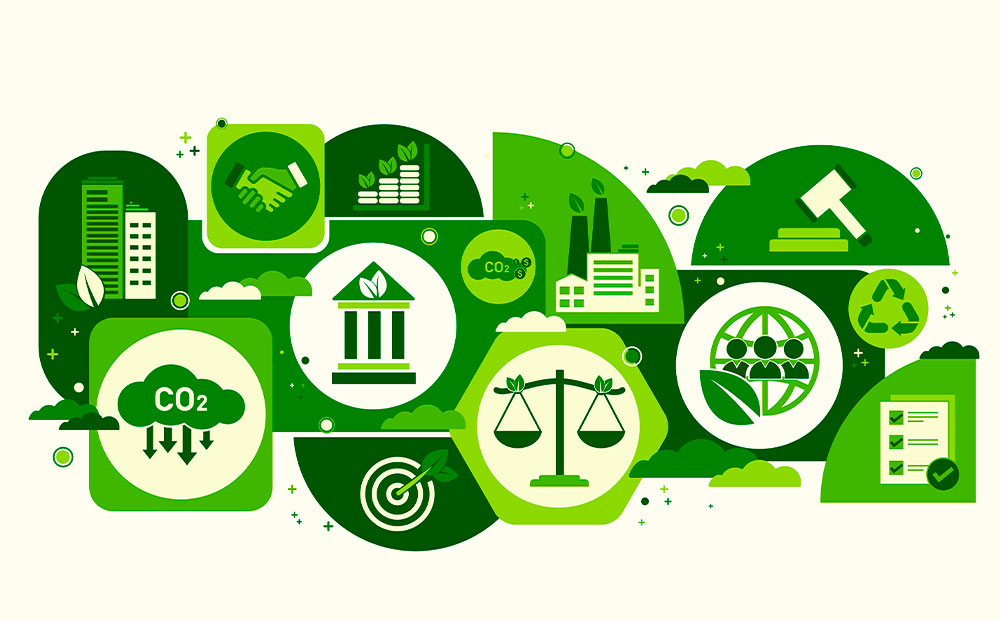
What Does an Energy Lawyer Do?
Energy law specialists provide legal advice and representation to clients on matters related to the energy sector. These professionals must navigate a broad range of topics, from energy market regulations to the development of renewable energy projects. They play an essential role in contract negotiations, litigation, and arbitration arising from energy-related disputes.
Their main responsibilities include drafting and reviewing energy contracts, advising on mergers and acquisitions in the sector, representing clients in disputes related to energy supply, project financing, and addressing regulatory issues. Furthermore, they must stay updated on local and international regulations to ensure compliance for all their clients.
Key Roles of an Energy Lawyer
At Esade, we outline the main roles of an energy law specialist, covering both technical-legal advice and representation in complex litigation, as well as regulatory management in a sector critical for sustainable development.
#1 Tax Advisory in the Energy Sector
One of the primary roles of energy lawyers is to provide specialized tax advice. Investments in the energy sector are subject to specific tax regimes, including tax incentives for renewable energy or energy efficiency projects.
Energy lawyers optimize the tax structure of projects, ensure compliance with tax regulations, and help clients maximize available tax benefits. They must also interpret fiscal reforms and their implications for energy companies.
In a rapidly changing fiscal policy environment, expert guidance is crucial to avoid penalties or extra costs.
#2 Advisory on Energy Projects
Energy lawyers advise on the entire lifecycle of energy projects, from planning to operation and maintenance. Their role is vital in structuring financial agreements, obtaining necessary licenses and permits, and negotiating with suppliers and contractors.
Additionally, they ensure projects comply with all applicable environmental and regulatory standards, including reviewing environmental impact studies and implementing mitigation measures. Knowledge of administrative law, contracts, and environmental law is essential for this type of advisory.
#3 Energy Litigation
Conflicts in the energy sector can arise from various causes, such as contractual disputes, regulatory non-compliance, or environmental issues. Energy lawyers represent clients in courts, arbitration proceedings, and regulatory bodies like the CNMC to resolve these conflicts.
Energy litigation is a complex field requiring a deep understanding of regulatory frameworks and the technical characteristics of the sector. Cases may involve disputes over prices, tariffs, environmental compliance, or resource property rights.
#4 Renewable Energy Advisory
With the rise of renewable energy, lawyers specializing in this area play a crucial role in the transition toward sustainable energy sources. Renewable energy advisory involves structuring Power Purchase Agreements (PPAs), securing permits, and negotiating contracts for construction and project financing. They also provide advice on interoperability agreements related to electric charging infrastructures.
Furthermore, energy lawyers must understand government incentives for clean and renewable energies and help companies take full advantage of grants or tax benefits aimed at fostering renewable energy development.
Their role in managing investment risks in this sector, often marked by significant regulatory uncertainty, is equally critical.

How to Learn Energy Law
To specialize in energy law, legal professionals must follow a training path combining a solid foundation in administrative, tax, environmental, and commercial law with a specific focus on energy sector regulation. At Esade, postgraduate programs and specialized courses offer training in this area.
Staying updated on regulatory changes and energy policies—often dynamic—is essential. Practical experience in specialized firms or the public sector can also provide the necessary expertise to build a career in this field.
Lastly, given the technical nature of the sector, energy lawyers must be familiar with the technical aspects of energy production and distribution. This includes basic engineering knowledge and the ability to interpret technical reports and environmental studies. The combination of legal and technical expertise is absolutely key to excelling in this specialization.
As we have seen throughout this article, energy law is a constantly evolving discipline that demands highly specialized lawyers to navigate a complex and ever-changing regulatory environment, adapting to ongoing market challenges.
At Esade, we are committed to training professionals capable of leading this change with a comprehensive, innovative, and socially responsible approach. Our specialized energy law program not only prepares you to master the regulatory complexities of the sector but also empowers you to become a key agent in the global energy transformation.
We invite you to join our community and take the next step in your professional development, aligned with the values of excellence, ethics, and leadership that define us at Esade.