How Artificial Intelligence in Education Is Revolutionizing University Classrooms
Artificial intelligence (AI) is already part of the everyday reality of higher education. In Spain, 47% of universities have implemented AI-based technologies in their teaching processes (CYD 2025 Report). Among students, 89% use AI in their daily academic lives, although only 34% have received specific training in it at university.
This contrast reveals a key challenge: The lack of an educational framework that prepares students to understand, apply, and lead AI with rigor and strategic vision.
In this context, programs such as Esade’s Bachelor of Business Administration & Bachelor in Business and Artificial Intelligence (as well as its Spanish-language Programa de Especialización en Inteligencia Artificial en los Negocios and Programa de Especialización en Inteligencia Artificial Empresarial) are key to lead and succeed in this new landscape.
The Relevance of Artificial Intelligence in Higher Education
An increasing number of academics are questioning the purpose of artificial intelligence in education. The answer goes far beyond technology; AI has become a true catalyst for innovation in higher education, impacting learning, research, and academic management.
UNESCO notes that the application of AI in education can accelerate progress toward the Education 2030 Agenda (SDG 4). However, it emphasizes that such integration must follow principles of inclusion and equity and adopt a human-centered approach.
It is along these lines that the “Transforming Universities” manifesto, drafted by leading experts at Esade, invites us to consider AI as a lever for transforming universities and to put purpose at the center, avoiding slipping into a purely technocratic model that dilutes the human aspect of their mission.
The question is no longer if AI will transform education, but how to integrate it to achieve more personalized, inclusive, and human learning.
AI tutors are one of the most transformative applications in this field. Platforms such as Khanmigo, developed by Khan Academy, and pioneering initiatives such as Alpha School are paving the way toward an educational model in which AI not only complements teaching but also adapts and personalizes it in real time.
This approach anticipates what the university of the future will look like: A balanced combination of human teaching and automated support.

AI Tools in Higher Education
As previously noted in our article on the future of AI in business, the education sector is one of the leaders in AI adoption. Among the artificial intelligence tools already being applied in higher education are:
#1. AI Tutors: The Future of Personalized Learning
AI-powered virtual tutors are revolutionizing learning in universities and business schools. Unlike conventional chatbots or assistants, they can replace lectures, assess progress, and offer explanations tailored to each student’s pace and level.
Universities such as MIT (Massachusetts Institute of Technology) have already incorporated virtual tutors through their MIT Learn platform and the AskTIM Learn AI Feature, providing instant support and continuous feedback.
#2. Simulations and Role Play for Active Learning
AI-based simulations can recreate business scenarios or ethical dilemmas in real time. Students face complex decisions with immediate feedback, developing critical skills for working life.
#3. Gamification
Gamification has been used in education for years through rewards, levels, and progressive challenges. The new twist is that AI allows us to take these strategies much further, adapting challenges to each student’s pace and constantly fine-tuning the difficulty level.
#4. Virtual Assistants
While AI tutors are designed to teach and adapt learning to each student’s pace, virtual assistants focus on providing academic and administrative support. More and more universities are turning to chatbots to answer frequently asked questions, check calendars, or carry out administrative tasks.
Other Notable AI Tools in Higher Education:
- Simultaneous translation and text-to-speech tools that enhance accessibility and inclusion.
- Intelligent e-learning platforms that automatically adjust learning paths.
- Generative AI for content creation, accelerating the production of cases and academic content.

Advantages and Disadvantages of Using Artificial Intelligence in the Classroom
Like all disruptive innovations, artificial intelligence presents both opportunities and risks. The question is not only how artificial intelligence helps, but also how artificial intelligence affects education in terms of limitations, technological dependence, and ethical dilemmas.
Key Advantages: How AI Helps Education
Optimization and Personalization of Learning
AI systems can automatically adjust the content, difficulty, and pace of activities to each student’s level, reinforcing weak areas and optimizing study time. They can also detect learning patterns to offer almost individualized guidance, even in large classrooms.
Boosting Research and Knowledge Generation
AI is emerging as a driver of acceleration in research processes, reducing time and costs for universities and enhancing the transfer of knowledge to real-world contexts.
Improving Educational Quality
As highlighted in Esade’s DoBetter article on the future of higher education, new technologies such as AI are raising the bar for quality:
- Enabling more accurate and continuous assessment with real-time feedback that improves academic performance.
- Facilitating more dynamic methodologies, such as simulations and real-time data analysis, which bridge academic and professional challenges.
- Providing immediate and efficient access to advanced, up-to-date knowledge.
Inclusion and Accessibility
AI is helping create more inclusive educational environments. Tools such as text-to-speech and real-time translation allow students with disabilities or language barriers to access educational content on an equal footing.
Main Disadvantages and Risks of Artificial Intelligence in Education
- Technological dependency: An overreliance on automation may weaken critical thinking.
- Algorithmic bias: AI systems can reproduce existing inequalities based on biased data
- Privacy and ethics: Managing personal data requires strong governance frameworks.
- Loss of human interaction: Carelessly integrated technology can erode the relational and emotional dimensions of learning.
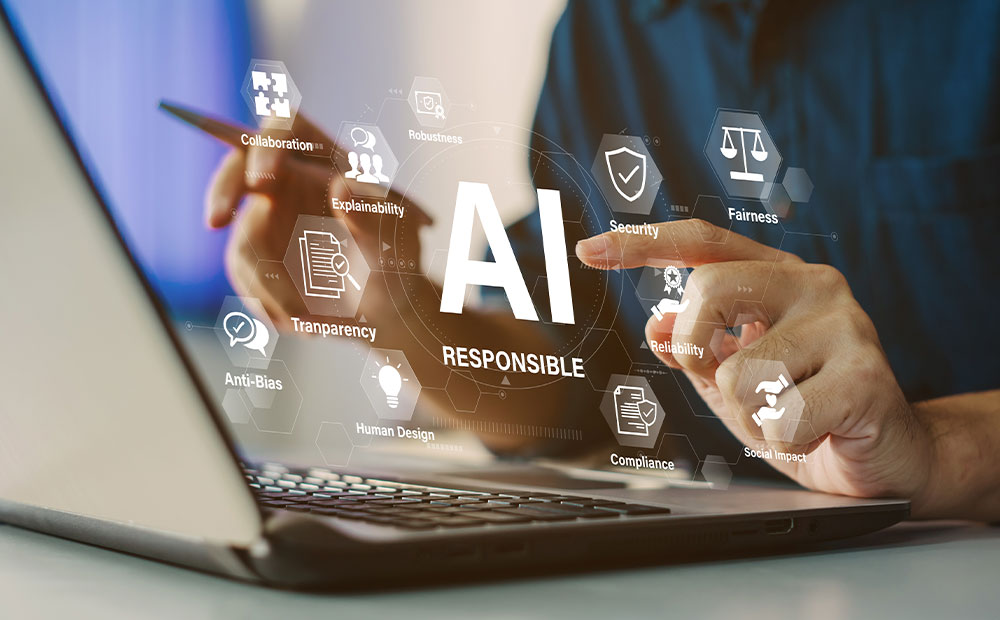
Artificial Intelligence in Esade Classrooms: Real and Applied Innovation
At Esade, AI is integrated into teaching, research, and training with a practical, ethical, and human-centered approach:
- AI-based business simulations: Allow students to tackle complex management scenarios and train decision-making under pressure in a safe environment.
- AI Tutors in executive, online, hybrid, and MBA programs: At Esade Executive Education Madrid and in the Full-Time MBA, AI is already part of the learning process through virtual tutors and 100% online courses such as Intro to Python and Python for Data Science, which offer personalized support and feedback.
- Intelligent e-learning projects: Adapt learning paths for different profiles in both undergraduate and executive programs.
- Academic research with AI: Esade teams use predictive models and data analysis in fields such as strategy, sustainability, and digital innovation
- Specialized AI programs: Including the Bachelor of Business Administration & Bachelor in Business and Artificial Intelligence double degree and the Spanish-language Programa de Especialización en Inteligencia Artificial en los Negocios and Programa de Especialización en Inteligencia Artificial Empresarial.
- Ethics and responsible leadership: AI is integrated into executive education within a value-based framework, aligned with Esade’s mission to shape conscientious, competent, compassionate, and committed leaders.
Join Esade and prepare to not only master AI, but also lead its application with an ethical and strategic vision. Discover the program that best suits your goals.
How to become a Chief Marketing Officer: The skills and education you need
Stepping up to executive-level marketing management isn’t just about accumulated experience. It also requires strategic vision, leadership skills and, above all, specialized education and training. If you’re wondering what a modern CMO (Chief Marketing Officer) does or how to advance your career to lead the marketing department, this article gives you a clear and up-to-date roadmap on how to become a CMO in the digital age.
Education through prestigious programs such as the Spanish-language Executive Master en Marketing y Ventas at Esade can make the key difference. Not only does it provide technical and strategic knowledge, but it also allows you to develop management skills and build a network of key contacts in the business ecosystem.
From expert to leader: The road to CMO
After a few years of experience, many people in marketing reach a turning point in their career where they feel that they have reached their peak in intermediate or specialized positions. At that moment the question arises: How can I become a senior marketing executive?
Stepping up involves having not only experience but also a complete vision of the business and understanding of a CMO’s range of responsibilities. The CMO is no longer just in charge of advertising campaigns and branding but also needs to align marketing with the company’s global growth goals, drive business innovation, and make decisions based on customer data and insights.
If you’re considering this change, you may find inspiration in this article from Esade Do Better on How to Move From CMO to CEO, which shows how the role has evolved and become more strategic (it even offers advice on how to get promoted to board positions in the future).
“A CMO’s goal must be to have a global vision of the business and play a more strategic role. Their strategies must be aligned with the company’s growth goals and overall ROI and with sales strategies.”
Outstanding CMO skills
A successful CMO combines technical, strategic, and personal skills. Below, we highlight the key abilities and knowledge of a CMO, grouped into seven fundamental areas:
#1. Digital and technological know-how
Today’s environment demands that CMOs have a deep grasp of digital tools and strategies. This includes advanced analytics, automation, CRM, omnichannel strategies, digital brand management, and performance marketing.
They also need to understand (and know how to interpret) platforms such as Google Analytics, HubSpot, Salesforce, as well as attribution tools, programmatic advertising, and A/B testing. It is also key to understand the impact of emerging technologies such as
#2. Financial and strategic insights
Just as important as the technological dimension is a CMO’s ability to manage budgets, analyze return on investment (ROI), and align marketing actions with business objectives.
They have to be able to justify decisions to general management, prioritize investments, control deviations, and translate marketing results into impact indicators for the company. This strategic and financial vision is what allows CMOs to sit at the decision-making table as true business partners.
#3. SMarketing: The key marketing-sales relationship for a CMO
For a marketing strategy to be effective, marketing and sales have to work together and be aligned with the overall business strategy, sharing insights, campaigns, and key messages. This collaboration, known as ‘SMarketing’, aligns both teams around a common value proposition, improves efficiency, and strengthens the customer experience across all touchpoints.
Programs such as Esade’s Spanish-language Executive Master en Marketing y Ventas and the Executive Master in Marketing and Sales — for professionals with an international career profile — are key for potential CMOs to acquire a comprehensive vision of both areas and learn to lead 360º strategies.
#4. Analytical and decision-making skills
One of the great strengths of the best CMOs is their ability to analyze data, spot opportunities, and turn that information into strategic decisions. This requires a critical mindset, business acumen, and agility to act quickly and accurately.
#5. Communication and leadership skills
Leading a marketing team involves much more than giving instructions or proposing lines of action. It is essential to know how to communicate a vision, inspire, align efforts, and be an effective participant in executive board meetings, as well as in meetings with senior leaders of other departments, such as sales, finance, and operations. Empathetic leadership and the ability to generate commitment are key.
#6. Project management
CMOs are constantly managing projects: Product launches, global campaigns, collaborations with agencies, digital transformations, and more. That is why they need to master agile methodologies for project management, resource planning, KPI tracking, and process optimization.
#7. Creativity
Although it sounds paradoxical, creativity in management is more necessary today than ever before. Innovating in value propositions, standing out in saturated markets, and promoting cultures of testing and iteration requires thinking differently. And that’s also part of the DNA of a good CMO.

What to study to become a marketing director: The right Master’s degree
Choosing the right Master’s degree is one of the most important decisions for the step up into leadership positions. At Esade, we offer you a wide portfolio of internationally prestigious marketing and sales programs that combine academic excellence, specialization, management education, and direct connection with the business world.
To be a CMO, you need specialized education that combines strategy, leadership, and a deep knowledge of the latest trends in digital marketing and sales. This is where the Executive Master in Marketing and Sales at Esade will play a decisive role in moving your management career forward.
Spanish-language ‘Executive Master en Marketing y Ventas’: Prepare to lead 360º strategies
With the Spanish-language Executive Master en Marketing y Ventas de Esade you will acquire a strategic and up-to-date vision of both areas, learning to make decisions with confidence, based on data, market analysis, and customer insights. You will learn to:
- Design and implement innovative 360º marketing plans that are completely aligned with a company’s commercial business objectives.
- Develop key competencies to attract, retain, and generate memorable customer experiences, integrating omnichannel strategies in both digital and face-to-face environments.
- Dive into sales leadership, working on how to build effective sales plans, lead high-performance teams, apply KAM and SKAM methodologies, and activate motivational levers for sales teams to maximize results.
All this from a practical and results-oriented perspective, designed to boost your career growth and help you generate tangible value in marketing and sales for your organization.
Program key points
- High specialization in marketing and sales
- Fundamental education in management and global leadership
- Carrying out a business development project
- Networking with professionals worldwide
- Collaborative learning: Learn with and from other leaders
- International experience at a top-tier university abroad
Request an interview to learn more about Esade’s Executive Master en Marketing y Ventas. We’ll answer your questions and give you no-obligation advice about your career development.
What are the Skills of the Future? Key Competencies 2025
Technology is advancing at an unprecedented pace, machines are learning, processes are being automated, and certainties seem to be fading. Are we identifying the new key skills and adapting at the same pace?
In this new, complex and ambiguous professional context, the capacity for adaptation and learning has become the passport to employment. Companies need professionals who can think, connect and reinvent themselves.
Among the many skills that will make a difference in an environment dominated by automation, developing resilience stands out as a central pillar in the new ecosystem of soft skills. More than just a buzzword, it has become a driver for the deployment of other soft skills needed for today’s increasingly conscientious leadership, such as critical thinking, adaptability, and creativity. These new skills are the foundation of the mindset needed to be an active asset of change, not just to survive it.
Resilience: The Backbone of the New Soft Skills for Leaders
The World Economic Forum’s Future of Jobs 2025 report anticipates that more than 40 % of current skills will be transformed over the next five years.
The jobs of the future will require a unique combination of technical capabilities and human competencies, with a growing emphasis on soft skills, especially in leadership positions. Among these, resilience, flexibility and agility rank in the top five of skills most valued by companies worldwide. The reason: Disruptions, new hybrid environments, and multiple crises require professionals who can maintain stability and decision-making capacity in uncertain contexts.
Being resilient doesn’t mean enduring or resisting. It means learning from change, interpreting difficulty, and turning it into a source of growth. It means not being afraid of mistakes but seeing the potential they can bring. It means transforming and being transformed for a new context. That’s why it’s considered an active skill: It involves self-awareness, a continuous learning mindset, openness to change, and emotional management.
In organizations, resilient leadership translates into cultures that learn from trial and error, value curiosity, and encourage experimentation as paths to learning and adaptation, as well as innovation. These are three pillars of conscientious leadership that the most innovative companies are already prioritizing.
In terms of workforce adaptability, resilient teams that are willing to experiment show more sustained performance in high-pressure environments — with a higher percentage return. This is reflected in many studies and reports, such as those conducted in the wake of the Covid pandemic. This is not due to resistance, but to their ability to refocus energy toward solutions and learning.

Key Competencies in 2025
Mapping the most valued soft skills, with resilience as the connecting backbone, reveals an ecosystem of skills that interrelate and reinforce each other:
- Adaptability and change management: The ability to respond quickly to change and anticipate scenarios, rather than merely react.
- Innovation: Imagining solutions outside the box, experimenting as a route to learn and innovate. Taking calculated risks with the confidence to explore freely.
- Flexibility and agility: The ability to modify strategies and vary roadmaps without losing sight of the intended direction. Perseverance in goals, but flexibility in the path to achieving them.
- Critical thinking: Analyzing information, questioning assumptions, and deciding with discernment. This requires an open, flexible and stable mind as well as cognitive resilience.
- Empathetic leadership: Developing emotional intelligence as a skill that allows you to understand and manage your own and others’ emotions.
- Effective communication and collaboration: Connecting diverse teams in hybrid environments, promoting cohesion, listening skills, and empathy.
- Continuous learning: Curiosity and openness to reinvent yourself professionally, persevering on the learning curve.
- Social influence: Inspiring and mobilizing others toward a shared purpose, as a distinctive trait of resilient leaders.
How to Train a Transformative Mindset
No one is born resilient; it’s a learned trait. Developing this mindset involves micro-habits that strengthen openness to change and empower the ability to cope with different scenarios, such as:
- Exploring and integrating active learning routines, combining training, mentoring, and real challenges.
- Adopting a growth mindset; understanding mistakes as part of the process.
- Embracing experimentation as a means to learn, innovate, and iterate.
- Turning constructive feedback into learning.
- Practicing daily self-reflection to identify patterns and emotions.
In this context, it is particularly important to train the so-called Moonshot mindset: thinking beyond incremental improvements and seeking bold, disruptive solutions to major unexpected challenges, combining creativity, a certain amount of daring, and out-of-the-box thinking. A
In an era of constant disruptions, we must also be disruptive in talent development itself, promoting a culture and mindset of experimentation. That’s how Steve Cadigan, an internationally renowned talent advisor, and Ivan Bofarull addressed it in their “Disruptive workplaces: Adaptability and human touch in the AI era” talk during the recent Singularity Summit.
“My ability to adapt is probably my core strength for the future.”
Steve Cadigan · Singularity Summit Madrid
Advanced training in soft skills plays an important role in this regard. Programs specifically designed to foster this Moonshot mindset, such as the Beyond Resilience: Esade–Singularity Leadership Program, help transform resilience into a conscientious leadership model that also integrates new skills.
Activating the New Mindset Shift
Resilience isn’t optional. The frameworks we’ve worked with until now are changing, and this is unleashing an unprecedented capacity to reformulate and innovate, including our own skills and abilities. This is the driving force behind the transformative professional: Not just surviving change but being an asset of change.
Today, the companies of the future are built not only with technology, but with people capable of having vision, acquiring new key competencies, and reinventing themselves over and over again.
Environmental law and its influence on the energy transition
The energy transition presents not only technological and economic challenges, but also significant legal hurdles. Environmental law shapes the regulatory framework that legal and energy professionals must navigate.
In this context, Esade’s Spanish-language Programa Avanzado en Derecho de la Energía y del Sector Eléctrico (Advanced Program in Energy and Electricity Sector Law) offers pioneering training that provides participants with a comprehensive overview of current challenges, enabling them to tackle the changes driven by environmental and energy legislation in the shift toward a sustainable model.
But what exactly is environmental law, and how does it influence the evolution of the energy sector? Let’s take a closer look:
What is environmental law?
The UN defines environmental law as the regulatory framework that governs humanity’s relationship with nature to ensure sustainability. Based on this definition, we can say that it is the set of rules and principles that seek to prevent, control, and remedy environmental damage.
The concept of environmental law and its application to the energy industry
In the energy sector, its application is critical. From authorizing new infrastructure projects to regulating emissions and implementing renewable energies, environmental law sets the limits that guide companies and public authorities toward a cleaner and more efficient future.
As a legal framework, environmental law is essential to the transition toward decarbonization, as it establishes the standards that shape the development of the energy sector.
The evolution of environmental law and its impact on renewable energies
Environmental law has undergone remarkable advances. What began as a system for pollution control has evolved into a broader framework that incorporates sustainability, the circular economy, the fight against climate change, and the need for a just and equitable green energy transition.
This regulatory development has had a direct impact on the energy sector, promoting the implementation of renewable energies, energy efficiency, and emissions reduction — while consolidating essential legal principles to guide the transition.
The principles of environmental law and their relevance to the energy transition
The principles of environmental law guide the practical application of regulations and ensure that energy-related decisions are made according to sustainability criteria. Prominent among them are prevention, precaution, correction at source, the “polluter pays” principle, and cooperation.
Although all are important, the principle of prevention deserves special attention due to its significance in energy regulation and its direct impact on the viability of projects.
The prevention principle and its application in energy regulation
The prevention principle requires action before environmental harm occurs. In the energy sector, this means that projects such as wind farms or photovoltaic parks must undergo environmental impact assessments, including mitigation measures, and ensure integration into their surroundings.
Prevention also takes the form of technical requirements for conventional facilities—such as emission limits and waste management plans—intended to reduce risks at source. In this way, the prevention principle becomes a cornerstone of the energy transition, providing legal certainty and directing investment toward sustainable solutions.

Environmental law in Spain: Challenges and opportunities for legal professionals
In Spain, environmental law is structured through a regulatory framework that combines international provisions, EU directives, and national and regional legislation.
Regulation of environmental law in Spain
Spain’s Ministry for Ecological Transition and Demographic Challenge (MITECO/MITERD) is the highest government body responsible for coordinating the implementation and development of environmental regulations. Regional and municipal bodies also have powers of control, inspection, and sanction.
Among the most significant laws are:
- Law 21/2013 on Environmental Assessment: The framework legislation in Spain regulating the environmental impact assessment of public or private plans, programs, and projects that may have significant effects on the environment.
- Law 7/2021 on Climate Change and Energy Transition: Sets national emission reduction targets and requires all sectors to contribute to decarbonization through mechanisms such as the National Integrated Energy and Climate Plan (PNIEC).
This framework requires companies to adapt their strategies — and legal professionals to master the interpretation and application of environmental and energy regulations.
Discover how this Esade Energy Law Program
can help you do just that.
The only way for legal professionals to successfully carry out their key functions — which we looked at in our article on energy law — and help companies adapt to the challenges of the energy transition is to have specialized, up-to-date knowledge.
Examples of environmental law: Key cases in the energy sector
Some recent cases illustrate how this regulatory framework is applied in practice:
- Iberdrola wind farms in Spain: The company has needed favorable environmental impact statements in order to move forward with projects such as the Iglesias onshore wind farm in Castile and León. This requirement, established under Law 21/2013 on Environmental Assessment, shows how the prevention principle of environmental law affects the approval process for new renewable infrastructure.
- Closure of Endesa’s coal-fired power plants: Endesa is shutting down its coal-fired plants in response to European emissions-reduction regulations. This case illustrates how environmental law is accelerating the energy transition and compelling companies to redefine their business strategies.
- Itochu vs. Spain international arbitration (ICSID, 2025): The Japanese multinational sued the Spanish government for the retroactive reduction of renewable energy subsidies approved in 2013. The arbitral tribunal ruled in its favor of Itochu, ordering Spain to pay millions in compensation. The case shows how local regulatory decisions can trigger international litigation.
These examples show how environmental law impacts the activities of energy companies while underscoring the need for professionals in the field to deeply understand the regulatory framework and anticipate its implications for business strategy. Pioneering programs such as the one offered by Esade have emerged to respond to this need.
Esade’s Advanced Program in Energy and Electricity Sector Law: Key to the future of environmental law
Esade’s Spanish-language Programa Avanzado en Derecho de la Energía y del Sector Eléctrico (Advanced Program in Energy and Electricity Sector Law) provides expert training for lawyers, economists, engineers, and consultants seeking to specialize in energy regulation and anticipate the challenges and opportunities of an ever-evolving market and legal framework.
With a practical, multidisciplinary approach, the program addresses key areas such as:
- European and Spanish regulatory frameworks for energy.
- Challenges in the transition to renewable energy.
- Competition law and energy.
- Energy sector taxation.
- Infringements, sanctions, and litigation.
- The need to measure and report corporate environmental impact.
In short, it provides the legal knowledge and tools to lead energy projects, anticipate regulatory changes, and guide companies toward a more sustainable and competitive future.
Frequently Asked Questions
What is environmental law, how is it applied in the energy transition, and what is its purpose?
As we’ve seen, environmental law governs the relationship between society and nature. Its purpose is to ensure sustainability and steer the energy transition toward a decarbonized model.
What are the key principles of environmental law that impact the energy industry?
Prevention, precaution, correction at source, cooperation, and the “polluter pays” principle are among the most important. In practice, they affect authorizations, emission limits, and the design of energy projects, with prevention being the most decisive factor for the transition.
How does international environmental law affect the global energy transition?
International environmental law establishes shared commitments, such as those under the Paris Agreement, which countries then incorporate into their domestic legislation. This creates a legal framework that strengthens the security of the global energy transition.
Why is education in energy law important for professionals in the sector?
The energy transition demands specialized legal expertise to anticipate regulatory changes and guide companies effectively. Programs like Esade’s offer practical, multidisciplinary training to help professionals lead this transformation with strategic vision.
Want to advance your career in environmental law and lead the energy transformation? Learn more.
Thinking of studying a Master’s degree in Spain? Discover the different types of Master’s degrees and the differences between them
What are the differences between a Master’s degree and other postgraduate degrees? What types of Master’s degrees are there in Spain? And which one best suits your objectives? Choosing a Master’s degree may seem complicated if you are finishing your university degree or have just graduated, so it is the perfect time to get answers to your questions.
In this article, we break down the different types of Master’s degrees, their key differences, and which one might be the most suitable for your profile. Reading it to the end will help you clear up ideas. In addition, we encourage you to explore Esade’s range of Masters in Management MSc and specialist Executive Masters programs. These international benchmarks for excellence offer a practical approach and a global vision.
How many types of Master’s degrees are there in Spain, and which one best suits your profile?
In Spain, talking about types of Master’s degrees is not only an academic matter: It involves understanding the legal structure of the education system, the needs of the labor market, and the personal goals of each student.
From a general point of view, we can divide them into two broad categories:
- Official Master’s degrees: regulated by the Ministry of Education, these allow access to doctorates and are validated throughout Europe (European Higher Education Area).
- Private (or professional) Master’s degrees: Designed by universities or business schools to respond to the specific demands of the professional world.
Both types of Master’s degree (official and private can have the same duration (60 or 90 ECTS) and be very academically demanding, but they are aimed at different objectives:
- Official Master’s degrees: Recognised by the Spanish Ministry of Education and adapted to the European Higher Education Area (EHEA). This is the right route if you want to access a doctorate, practice a regulated profession (such as medicine, psychology, or education), or if you need an official qualification for competitive examinations or automatic international recognition. This is the case of Esade MSc programs.
- University-specific (private) Master’s degrees: Designed by the university in collaboration with the professional world, these respond to the needs of the labor market. They are ideal if you are looking to specialize in a specific area, improve your professional profile, or acquire practical tools to advance in your career. They include programs such as the Esade’s Executive Masters programs.
What is the difference between a Master’s degree and a postgraduate degree?
Although they are sometimes used synonymously, they are not necessarily the same. A postgraduate degree is a shorter study program:
- A Master’s degree has at least 60 ECTS credits (duration of one or two years)
- A postgraduate degree can be 20-30 ECTS (one-year duration)
- A Master’s degree involves a final project and, sometimes, compulsory internships
Both can be valid depending on your goals:
- If you’re looking for a quick and specific introduction to an area, postgraduate studies can be useful.
- If you want a profound transformation of your professional profile, a Master’s degree is recommended.
Types of Master’s degrees in Spain that you should know about
#1. Official or private Master’s degree: What’s the real difference?
You already know the main difference between a private (or university’s) Master’s degree and an official Master’s degree, but what are their main characteristics?
Master’s degree (official)
- Approved by the State and adapted to the European Higher Education Area EHEA
- Access to doctorates
- Requirement for competitive examinations or regulated professions
- Homogeneous evaluation
- Qualification valid throughout the EU
Private (university-specific) Master’s degree
- Degree issued by the university; it does not have official accreditation from the State
- Practical and market-oriented approach
- Greater flexibility and constant updating
- It is important to consider the prestige of the institution
#2. Executive Masters for specialization
Executive Masters are specialization programs, designed for experienced professionals who want to deepen their knowledge in an area, update themselves, reorient their career, or step up into senior management positions.
Their format is compatible with existing work commitments (with Friday afternoon and Saturday morning classes, for example) and they usually combine face-to-face and online sessions, high-level networking, and practical applied projects.
Executive Masters are usually specific to the university, so the prestige of the institution is an important consideration. In this sense, choosing Esade Business School is a guarantee of success, as its programs occupy top positions in the main international rankings.
Esade’s Executive Education is #5 in the world according to the prestigious Financial Times ranking.
In addition, Esade’s Executive Masters offer a wide variety of specialization options, with programs such as the Executive Master in Finance, Digital Business, and Marketing and Sales.
#3. Master in Management (MSc)
If you are finishing your undergraduate (Bachelor’s) degree and are looking to specialize before fully entering the job market, a Master of Science (Msc) is the most recommended option.
This type of Master’s degree is aimed at recent graduates or people with less than two years of experience, and a strong analytical, methodological, and global foundation.
Get full information about Esade’s MSc Master of Science programs and find the specialization that fits your interests: Finance, Marketing, Management, Business Analytics, and more.
Don’t know what to choose? Take our online MSc Quiz. It will help you find the perfect specialization.
#4. Qualifying Master’s degree
Some types of official Master’s degrees are qualifying; that is, they are mandatory to practice certain professions in Spain. The best known are:
- Master’s Degree in Teacher Training (to be a teacher in secondary school)
- Master’s Degree in General Health Psychology
- Master’s Degree in Law and Procurement (a program that we teach at Esade Law School that helps participants stand out, since it also includes a Master’s degree specialization in a legal area)
These Master’s programs must be official and meet the requirements established by professional associations or sectoral laws. If you feel that your career future is in one of these areas, it is essential that you verify that the Master’s degree is officially approved.

Ready to move forward? Discover Esade’s Master’s degrees
Choosing the right Master’s degree is one of the most important decisions of your academic and professional life.
At Esade we offer you a range of programs that combine academic excellence, practical orientation, and direct connection with the business world.
How to choose yours?
The first step is to assess which stage of life, education, or career you are in:
- Are you in your last year of your Bachelor’s degree and want to learn with the best? Explore our MSc Masters of Science in Business Analytics, Finance, Marketing, or Innovation, and take the MSc Quiz. In just 4 minutes, it will help you find out which MSc is the most suitable for you.
- Do you have a little more experience and want to give your career a boost while you continue working? Discover our Executive Masters.
With an international community, a transformative approach, and direct contact with the business world, Esade will boost your career and prepare you to become a leader with impact. Now that you know the different types of Master’s degrees, choose yours!
Digital marketing trends: The keys to the future
Digital marketing is evolving at a breakneck pace, driven by technological advances, changes in consumer behavior, and the transformation of communication channels. Faced with this reality, brands must adapt and come up with new strategies to remain competitive.
From the applications of artificial intelligence in marketing to the rise of influencer marketing, below we will explore the new key trends that will shape the future of the industry.
We will also see how education and training options such as Esade’s Spanish-language digital marketing and AI for companies programs can help Chief Marketing Officers (CMOs) to master current tools and trends.
Similarly, Esade’s Bachelor of Business Administration (BBA), Master in Marketing Management, Executive Master in Marketing and Sales, MBA, and other Executive Education programs all cover the latest trends in marketing and prepare participants to lead the digital strategies of the future.
How marketing adapts to market changes
Consumers and brands move in a context of constant transformation. Companies have to adapt to changes and respond to new market demands, and one of the keys to success is balancing innovation with a user-centric approach and personalization.
Innovation + Customer-Centric Strategies + Personalization
A significant trend change in the implementation of personalization-based marketing strategies is the use of third-party cookies. Although the cookie-elimination plan announced by Google was not ultimately implemented, the use of first-party data is a growing marketing trend, for ethical reasons and because first-party data strategies have been shown to generate a higher ROI.
As a result, companies will increasingly need to develop strategies that allow them to ethically and effectively collect customer information so that they can offer personalized experiences without compromising consumer privacy or trust.
The integration of automation and AI plays a key role in this regard, as it allows marketers to gather information, optimize campaigns in real-time, anticipate changing consumer needs, and deliver hyper-personalized content.
New trends in digital marketing and their impact on companies
Digital strategies are becoming more sophisticated every day, with a marked focus on hyper-personalization and automation. Here are the trends that will dominate the digital marketing landscape over the next two years:
#1 Influencer marketing: a key trend that is still on the rise
According to the 2025 Digital Media Advertising Investment Study carried out by IAB Spain, investment in influencer marketing grew 59% in 2024 in Spain, reaching 125.9 million euros.
But when it comes to adopting this type of strategy, it should be noted that the approach is changing: Brands are increasingly focusing on micro-influencers and niche content creators who generate greater trust and engagement with specific audiences because their followers perceive them to be more authentic and approachable.
Platforms such as TikTok, Instagram Reels and YouTube Shorts are leading this change, becoming essential channels to connect with younger generations.
#2 Applications of artificial intelligence in marketing: Revolutionizing the sector
Artificial intelligence (AI) is profoundly transforming marketing and is becoming an essential tool. Some key trends in the application of AI in marketing are:
- Automation and optimization: AI makes it easier to automate repetitive processes such as scheduling social media posts and sending segmented emails in email marketing campaigns. In addition, it allows campaigns to be optimized in real time, saving time and minimizing errors.
- Predictive analytics and segmentation: Using advanced algorithms, AI enables predictive analytics to anticipate consumer behavior and segment audiences more accurately. This translates into more effective campaigns and a better return on investment.
- Content creation: AI is revolutionizing content creation, making it possible to generate texts, images, and videos faster and more efficiently. This democratizes digital tools, allowing small businesses to compete with large marketing agencies.
- Customer support: AI-powered chatbots and virtual assistants offer personalized service and quick responses 24 hours a day, significantly improving the user experience. One of the great challenges in this field is to find the balance between automation and human connection. It is essential to maintain genuine interactions with customers, which reinforces the relationship of trust with the brand
- SEO (Search Engine Optimization): AI helps to identify relevant keywords, optimize internal linking, and suggest improvements for published content, enhancing organic positioning strategies in search engines such as Google.
Importantly, while AI is a critical tool, it does not replace human creativity, strategy, or intuition. Success in digital marketing in the coming years will lie in integrating AI with an approach that combines technology, empathy, and strategic vision.
#3 Personalized content: Driving ROI
Generic content is losing relevance. Consumers expect experiences tailored to their interests and behaviors. To achieve this, companies should integrate automation strategies and first-party data analysis. AI algorithms and machine learning are valuable tools to implement this type of strategy.
Companies such as Netflix and Spotify are taking personalization to a new level by using AI algorithms that analyze behavior patterns in real-time. This strategy has increased user engagement and retention by 30% and 25%, respectively (source: McKinsey, 2025).
But it’s important not to neglect creativity: Brands that achieve an integrated balance between AI and human creativity will be the ones that stand out in the future of digital marketing.
#4 Interactive content and immersive experiences: A growing trend
The rise of augmented reality (AR) and virtual reality (VR) reflects the transformation of digital marketing toward more immersive experiences. Brands are exploring new ways of interacting with their audiences, from virtual fitting rooms, interactive showrooms, and pop-up stores with digital activations in the retail sector, to immersive experiences at events and on digital platforms.
Additionally, short and interactive videos continue to dominate the landscape, with formats that invite users to actively participate in the brand’s narrative.

The evolution of current marketing trends and their impact on users
As we’ve seen, digital marketing is constantly transforming, driven by both technological innovation and changes in consumer behavior. However, beyond the emerging tools and platforms, the factor that really makes the difference will still be customer experience.
The role of customer experience in marketing
Customer experience (CX) has become a strategic pillar for companies. Brands that prioritize customer experience and optimize every touchpoint in the customer journey will have a competitive advantage. To achieve this, it is essential to combine artificial intelligence, automation, and an approach focused on the information obtained from the user.
As Marc Cortés Ricart, Adjunct Associate Professor in the Department of Marketing at Esade, points out in his article Advantages and challenges of AI in companies, “Artificial intelligence tools, such as chatbots and recommender systems, significantly improve the customer experience by providing quick responses and personalized solutions. This not only improves customer satisfaction, but it can also increase consumer loyalty and a company’s sales.”
However, as Professor Alexis Mavrommatis, an expert in customer experience and head of the marketing department at Esade, points out, in order to generate a good user experience, companies must find the balance between automation and human interaction. For Mavrommatis:
- Customer experience doesn’t have to be a “wow effect,” but it needs to meet customer expectations.
- Automation should not put customer trust in the brand at risk. Companies have to handle the use of data and automation transparently so as not to damage customer trust.
- Customers will continue to demand human interaction at certain points in the customer journey: It is essential to remain authentic and maintain an emotional connection.
Marketing training for a digital world
Can we face these new trends by using classic marketing paradigms? It is obvious that marketing departments and marketing professionals need to evolve at the same pace as the sector.
As we have seen, digital marketing is moving toward a more personalized, automated, and user-experience-based approach. And the key to success will be held by CMOs who are able to apply technological innovation without losing consumer trust, and who know how to harness the power of AI, influencer marketing, and interactive, personalized content to connect with the audiences of the future.
For experienced professionals who want to take a leap forward in this regard, specialization programs such as Esade’s Spanish-language digital marketing and AI for companies are perfect for learning how to integrate AI into their strategies in just 8 weeks. Alternatively, the Marketing and Sales Diploma offers a 6-month training course that integrates marketing and sales knowledge to prepare participants to lead future trends in companies.
If you want to lead successful digital marketing strategies, don’t hesitate to ask us. We will work with you to identify the program that best aligns with your profile and requirements.
Types of sales strategies and how to implement them successfully
Defining a solid sales strategy is essential to achieving a sustainable advantage and standing out from the competition. In this article, we will analyze the main types of sales strategies and explore the key elements that have a direct impact on results. We’ll also look at some examples of successful sales strategies from real companies.
If you are looking to dive deeper into this area, don’t hesitate to explore programs such as Esade’s Spanish-language Programa de Dirección Estratégica de Ventas, the Programa en Dirección Comercial – Sales Advanced (PDV) and other marketing and sales programs. They’ll provide you with the advanced knowledge you need to design innovative sales strategies and multiply your sales.
What is a sales strategy and why is it important?
A sales strategy is a structured, long-term plan that defines how a company is going to achieve its business objectives, through an aligned, measurable, and sustainable approach. It’s not a one-off tactic — like launching a promotion or making more calls — but a framework that guides all business decisions.
This approach allows you to improve profitability, increase sales volume, and build long-lasting customer relationships.
A paradigm shift in sales strategies
It is no longer enough to sell well; you also have to stand out. The role of the commercial area has evolved from transactions to the generation of strategic value. As Raimon Mirosa, an Esade professor and sales expert, points out, “this change is especially relevant in the current context of increasing commoditization”, where many companies:
- Compete in the same sector with similar proposals
- Are faced with new operators, who implement disruptive sales strategies and tactics
- Must adapt to a new reality, where omnichannel and consultative selling is common in both B2B and B2C environments
Sales and marketing: the importance of SMarketing
For a sales strategy to be effective, sales and marketing must be coordinated and aligned with the business strategy, sharing insights, campaigns, and key messages. This collaboration, known as SMarketing, aligns both teams with a common value proposition, improves efficiency, and strengthens the customer experience across all touchpoints.
Programas de marketing y ventas como los que propone Esade son clave para adquirir una visión integral de ambas áreas y aprender a liderar estrategias 360º.
5 common sales models
Every company designs its commercial strategy in response to unique factors. However, we can identify some common sales models. These are not exclusive or rigid; in many companies, they coexist, overlap, or evolve, depending on the context or type of customer.
#1 Transactional selling
This model is based on fast, low-value-added, high-turnover operations. The priority is efficiency: Minimizing the closing time of the sale, optimizing prices, and maximizing volume. It is typical in sectors such as mass retail, e-commerce, or certain consumer products.
#2 Negotiation selling
In the negotiation selling, value is built in the negotiation process itself. Margins are often very thin, products or services require adaptation, and closing the sale depends on the salesperson’s ability to build trust, manage objections, and build deals. It is common in sectors such as construction, insurance, and large industrial equipment contracts.
#3 Technical selling
This model occurs in products or solutions that require a high level of technical knowledge on the part of the sales team. It’s not just about selling, it’s about deeply understanding the customer’s needs and how the solution technically fits into their operation. It is common in industries such as automation, energy, engineering, medical technology, and industrial IT.
#4 Distributive selling
In distributive selling, the key is not the product itself, but the design of an effective network of intermediaries or distributors. The strategy focuses on channel management, long-term relationship building, and commercial and operational support for partners. This model is common in sectors such as automotive, machinery, and durable goods.
#5 B2B consultative selling
Consultative selling is based on a deep understanding of the customer’s context, detecting opportunities for improvement, and building personalized proposals. It is common in professional services, technology, consulting, healthcare, education, and complex B2B solutions.

How to make a sales strategy step-by-step: 3 key pillars
Designing a solid commercial strategy is not limited to defining objectives. It also involves structuring the operational pillars that will make its execution possible. Among the most important are:
#1 Go-To-Market (GTM) strategy
Defining the market-entry format of a product or service is a key lever in the sales strategy. Some companies opt for a direct GTM format, others for alliances with partners, and others for a 100% digital approach.
The chosen format must be aligned with the type of customer, with the capabilities of the selling organization itself, and with the commercial objectives of each stage — for example, whether it is to scale a mature product, introduce an innovation, or expand into new markets. This logic applies to both complex B2B environments and multichannel models in B2C or hybrid (B2B2C) markets.
#2 Sales methodologies
An effective sales strategy requires methodological frameworks that structure customer interactions from start to finish. These methodologies help to organize the commercial approach according to the type of customer, the level of complexity, and the stage of the buying process. Among the most typical are:
- Challenger Sale: The salesperson “challenges” and educates the customer, providing them with new perspectives that make them rethink their needs and priorities. They then offer relevant information that makes the buyer consider the product necessary.
- Value Based Selling (VBS): This methodology focuses on the needs of the buyer. Their true needs are actively listened to, and the unique value of the product or service is communicated, helping the buyer to visualize the positive impact it will have on their day-to-day life.
- Account-Based Selling (ABS): Unlike traditional approaches, which seek to capture the largest number of customers, ABS concentrates efforts on a select group of accounts that have the greatest potential to generate significant revenue for the company.
In addition, the use of CRM (Customer Relationship Management) and commercial automation tools is essential to scale these processes, improve traceability, and offer a more efficient and personalized shopping experience.
#3 KPIs and measurement of business performance
In sales, key performance indicators (KPIs) allow you to track objectively, identify areas for improvement, and make data-driven decisions. Although the range of KPIs is very wide, there are some indicators that are especially useful for evaluating business performance:
- Conversion rate: The percentage of opportunities that convert into closed sales.
- Customer acquisition cost (CAC): Measures how much it costs to get a new customer, considering marketing and sales activity.
- Net Promoter Score (NPS): A loyalty and satisfaction indicator. Key KPIs for recurring sales or subscription models.
- Revenue per customer: Revenue value generated by each customer. It allows you to analyze your profitability.
- Customer Lifetime Value (CLV): Estimates the total value a customer will bring throughout their relationship with the company. Key in retention models.
- Commercial cost per salesperson: Relates commercial investment in sales personnel to individual results.
- Customer registrations/deletions: Allows you to analyze the stability of the customer base and detect churn trends.
- Billing by customer and by seller: Allows you to segment results and adjust commercial strategies more precisely.
In addition to these indicators, it is essential to continuously monitor the sales funnel (from lead to closing), using CRM tools and data visualization.
Implementing a KPI-oriented culture is not just about measuring but also about making sense of data, and generating strategic conversations that align the sales team with business objectives.
Examples of sales strategies from real companies
A number of leading organizations have successfully implemented sales strategies tailored to their markets and customers:
- Salesforce stands out for its consultative approach to complex B2B environments, combining advanced CRM with specialized business teams by industry.
- Amazon Business has scaled a 100% digital strategy in the B2B channel, integrating technical and self-service sales with consultative support for large accounts.
- Grupo Bimbo is a benchmark in distributive sales, combining its own network, retail alliances, and digitalization of the traditional channel.
- Schneider Electric implements technical and consultative sales, with a hybrid GTM strategy: partners, trade fairs and direct sales to large accounts.
Do you want to take your sales strategies to the next level? Discover Esade’s programs and learn how to design advanced, innovative sales strategies with a high impact on results.
Is personalized learning the new competitive lever for companies?
Today, companies/organizations and professionals face complex and specific challenges: technological disruptions, regulatory requirements (which are often changing), geopolitical tensions that affect business plans, internal reorganizations, digital transformation, and sustainability plans, among others. And the big question is: how can we be prepared?
The knowledge gap is becoming increasingly worrying for organizations. Dealing with uncertainty and volatile scenarios requires the ability to anticipate and adapt to change. And that in turn means acquiring new knowledge and skills to help us respond.
Whether technical, competency-based, or strategic, if the available knowledge is not aligned with the challenges of the business and the moment, this “knowledge gap” is far from being an abstract problem; it is a fact that affects the company’s objectives, innovation, and responsiveness. It is therefore crucial to define how internal talent will continuously acquire and develop the knowledge and skills necessary to remain competitive in the face of diverse challenges.
Given this scenario, does it make sense to continue investing in generic training programs? The answer increasingly shared by leading companies is clear: In recent years, 35% of Spanish companies have invested in training programs to improve competitiveness, with a clear trend toward personalization and ad hoc design of training content, such as that offered in Esade’s customized solutions for companies.
The demand for corporate training is a fact backed by its good return on investment –– both in terms of ROI and talent satisfaction and retention –– and is increasingly emerging as the right choice due to its context, efficiency, and real and lasting impact. Beyond being just a growing trend, personalized in-company training offers a number of clear advantages:
- Ability to adapt to organizations, with programs that tailor content and methodologies to the specific needs of the company and its teams.
- Strategic integration, through training that aligns with the company’s objectives and vision, becoming a real lever for change.
- Greater engagement, thanks to the flexibility of ad hoc formats and alignment with specific concerns and aspirations.
- Measurable results, since having specific objectives and ad hoc programs facilitates the monitoring of key performance indicators (KPIs) and return on investment (ROI), ensuring maximum effectiveness.
Strategic alignment: when learning is synonymous with progress
Turning learning into a strategic axis for the company and for the professional development of the team is one of the objectives of customized training programs. How? By co-creating content aligned with organizational objectives: from internationalization to change management, corporate culture, operational excellence, or the adoption of technological capabilities.
Working together with each company to design programs responds to real and current challenges, which not only facilitates the adaptation of content but also strengthens the connection and alignment between trainers and the company, promoting a model with a clear competitive focus through organizational development.
Competitive advantage and impact from day one
Unlike standard programs, customized programs for companies allow you to address the skills that the organization really needs, in its context and at the right time. The advantages are clear: on the one hand, the practical and immediate application of learning, and on the other, the acceleration of key processes such as digital transformation, innovation, and leadership.
It also has a direct impact on the employability and performance of the company’s professionals.
In turn, designing a program based on the real challenges of the company ensures a deeper, more useful, and more profitable transfer of knowledge. According to some studies, this type of training generates a better return on investment for both the company and the individuals.

Flexibility, vision, and commitment = Engagement
When the content of training programs is connected to the concerns, real needs, and aspirations of professionals, the level of engagement skyrockets.
This leads to greater active participation in the learning process, better completion and satisfaction rates, and a greater likelihood of applying what has been learned to everyday life, which has an impact on the return on investment.
Personalized training also has another advantage for the organization and teams: flexibility of format. Course design takes into account the pace and structure of each company, as well as the availability of professionals. It is “tailor-made.”
A magnet for talent
Analytical thinking, resilience, leadership and social influence, technological training, talent management, among others, have become established as decisive skills in the business world, according to the World Economic Forum.
In-company training helps address these specific challenges and positions companies as key players in transformation and professional development. Therefore, effective and tailored corporate training improves the company’s reputation, strengthens employer branding, and attracts talent.
Personalization: a new standard for learning and leadership
In a world that is changing week by week, the ability to learn is an undeniable competitive advantage.
Committing to personalized in-company training is therefore a strategic necessity with a clear differential value: it is 100% focused on responding to the challenges, people, and objectives of each company. With real, measurable, and transformative impact.
Corporate strategy: what it is and how to design it
Corporate strategy is the foundation of a company’s sustainable growth. Correctly defining its scope and objectives allows organizations to differentiate themselves in a competitive environment, optimize resources, and prepare for future challenges.
Companies like Apple, Amazon and Google have challenged traditional models of corporate strategy, proving that innovation and technology can redefine a company’s scope.
In this article, we will explore what corporate strategy is, the key differences between corporate strategy and competitive strategy, and typical important decision-making considerations. Finally, we will look at some outstanding examples and see which management education programs — such as the Full Time MBA and Bachelor of Business Administration — provide the knowledge and tools needed to design successful corporate strategies.
What is a company’s corporate strategy and why is it important?
Corporate strategy is the set of decisions and actions that a company takes to achieve its long-term objectives and ensure its permanence in the market. It establishes the “where” and “how” at an organizational level and covers aspects such as a company’s general direction, allocation of resources, the markets in which it operates, structure, and how it coordinates its different business units, with the goal of ensuring that the whole is greater than the sum of its parts.
“Corporate strategy focuses on defining the scope of the organization and how to coordinate its business units. This differentiates it from competitive strategy, which puts the focus on how a company can outperform its competitors in the marketplace.”
Jan Hohberger, Associate Dean of Esade’s FTMBA
Designing a good corporate strategy is fundamental because it allows companies to:
- Expand into new markets with a competitive advantage.
- Coordinate its business units efficiently.
- Leverage synergies among its divisions.
- Adapt to changes in the economic and technological environment.
According to a McKinsey & Company study on corporate strategy, companies that implement well-designed corporate strategies generate more value when they achieve effective synergy among their business units, outperforming those that operate in a decentralized manner.
The difference between corporate and competitive strategy
In general terms, corporate strategy sets the direction of the company, while competitive strategy defines how to differentiate in a specific market. Both are key to growth but operate at different levels within the organization.
Corporate strategy answers questions such as:
- In which industries should the company operate?
- How should the business units be coordinated?
- Should the company expand through acquisitions or alliances?
On the other hand, the competitive strategy focuses on:
- How can the company gain an advantage over the competition in a specific market?
- How should it position a brand or product?
- Which business model should be applied to be more profitable?
A clear example is (again!) Apple, which has a corporate strategy that encompasses hardware, software, and digital services, but its competitive strategy in smartphones is based on differentiation, innovation, and user experience.

Common elements of corporate strategy
Companies design their corporate strategies according to their objectives, capabilities and the markets in which they operate. The strategy should define the company’s scope and how it is structured, as well as how its constituent parts are connected. It is also important to define a proposed mechanism for growth. Common elements of corporate strategy include:
#1. Acquisitions and strategic alliances
Horizontal integration involves acquiring companies in the same industry to increase market share. An example is Facebook buying other social networks such as Instagram and WhatsApp.
Vertical integration, on the other hand, involves controlling more stages of the
production and distribution processes, as Apple does by designing its own chips and controlling the manufacturing and distribution of its products through its stores and online platform.
Companies sometimes choose to enter into strategic alliances instead of acquisitions. This allows them to share resources, technology, and knowledge without merging completely.
An example of an alliance-based corporate strategy can be found in Microsoft and OpenAI: In 2023, Microsoft increased its investment in OpenAI, with the goal of integrating OpenAI’s advanced artificial intelligence into its products and services, such as Azure and Microsoft Office. This strategic alliance allows Microsoft to leverage OpenAI’s technology without the need for a merger, strengthening its position in the field of AI and enhancing its cloud offering.
#2. Maximizing synergies
An important corporate strategy consideration during acquisitions, mergers, and alliances is to determine the subsequent coordination mechanism. This involves defining the role of the company headquarters and determining the degree of independence of the various business units to achieve synergies.
Examples of outstanding corporate strategy
The following cases show how a well-implemented corporate strategy can sustain a company’s success over time:
- Inditex — Total vertical integration: This Spanish textile giant designs, produces, and distributes its own garments, controlling all stages of the supply chain without relying on third parties.
- Disney — Smart diversification: From animated movies to theme parks, media, and streaming with Disney+.
- IKEA — Strategic global expansion: Standardizes its business model, but adapts the offer to each local market.
- Microsoft — Strategic alliances: As we have seen, instead of competing with OpenAI, it invested in the company to integrate its AI into its products.
- Audax Renovables — Vertical integration in the energy sector: This Spanish company is dedicated to both the generation of renewable energy and its commercialization, controlling various stages of the value chain to offer electricity and gas to its customers.
“In strategy there are no right or wrong answers, but there are better decisions than others. The key is to analyze each case in depth and avoid superficial answers”
Jan Hohberger
Good executive education: the key to creating successful corporate strategies
Companies such as Microsoft, Amazon, and Disney have shown how a well-defined corporate strategy can be the key to success. But designing it requires vision, planning, and a deep understanding of the market, the company, and the trends that will shape the future of its sector.
Prestigious business schools such as Esade are the perfect place to acquire this knowledge. For senior managers, or professionals looking to step up into management, Esade has a broad portfolio of general management and strategy programs and a Full Time MBA that is in the top 10 worldwide. For young people who want to start a career in management or business strategy, the Bachelor of Business Administration offers a solid foundation.
If you want to lead successful corporate strategies, don’t hesitate to contact us. We will work with you to identify the program that best aligns with your profile and requirements.
Outstanding models of digital entrepreneurship
In an environment where technological innovation is advancing at a dizzying pace, digital entrepreneurship has established itself as one of the main drivers of business transformation and competitiveness. It is no longer just a matter of having a good idea, but of understanding how to turn it into a scalable, sustainable digital business model aligned with the new dynamics of the global market.
In this article we will explore some of the most important new digital entrepreneurship models, with real examples, and we will look at specific training and education programs such as the Spanish-language Programa de modelos de negocio de plataformas digitales, Rethinking Business with AI Program, and the Executive Master in Digital Business, Innovation & Entrepreneurship. Take a look at them and start creating your own digital business with a clear vision of the future.
Digital entrepreneurship as a driver in business transformation
Digital entrepreneurship is driving profound transformation in industries as diverse as banking, education, healthcare, fashion, and entertainment. What once seemed exclusive to large companies is now a real opportunity for forward-thinking entrepreneurs and startups.
This transformation has been possible thanks to the unstoppable advance of technologies such as cloud computing, artificial intelligence, advanced analytics, and global connectivity, which have eliminated barriers and made it possible for entrepreneurs to create business ideas with an impact on a global scale.
As a result, we see the rising importance of innovative business environments and emerging technologies that allow new digital business models — such as e-commerce, marketplaces, and apps — to be shaped with unprecedented speed and scalability.
Key models of current digital entrepreneurship
In the current business context, the most promising digital entrepreneurship ideas are characterized by their scalability potential and their ability to adapt to technological trends and new consumer expectations, such as personalization or responsible value creation. This evolution has given rise to a variety of digital business models that stand out for their versatility, impact, and ability to foster rapid growth. Below, we explore some of the most important:
#1 E-commerce
E-commerce is one of the best-established and most versatile types of digital entrepreneurship. No longer limited to traditional online stores, it now also encompasses various models:
- B2C – Business to Consumer: A model in which an online store (such as Zalando) sells products from different brands to the end consumer. It has the products in stock and acts as a distributor or retailer. This is the most common and widespread model of digital business.
- D2C – Direct to Consumer: A model in which the brand itself manufactures and sells its products exclusively through its own digital channels, without distributors or external stores (well-known examples include Gymshark and Freshly Cosmetics).
- Dropshipping: This is an e-commerce model that doesn’t require the seller to keep products in stock. Instead, the seller acts as a commercial intermediary between the customer and the supplier/manufacturer. Examples include Printful (print on demand), stores created with Shopify, and many AliExpress sellers who only post and fulfill orders.
- Product subscription: An e-commerce model based on the periodic shipment of physical products for a fixed fee (for example, HelloFresh and Lookiero), designed to offer convenience, personalization, and loyalty.
- SaaS (Software as a Service) subscription: An e-commerce model that offers continuous access to software or digital services through a periodic fee, ideal for generating recurring revenue and scaling without logistics costs. Examples include Notion and Canva.
#2 Apps
Mobile applications have established themselves as effective tools for monetizing digital solutions in different sectors. Among the most successful models are productivity apps such as Notion, health apps such as Calm, and educational platforms such as Duolingo.
These apps combine strategies such as freemium, scaled subscriptions, and pay-per-use, adapting to different user profiles.
One of the great advantages of apps is the ability to adapt to user behavior. Thanks to real-time analytics, creators can continuously optimize the experience, improve retention, and personalize offers.
#3 Platform Models
Among digital entrepreneurship models, platforms stand out as one of the most disruptive and scalable alternatives. Their value lies in connecting different groups of users — such as supply and demand — to facilitate interactions that continuously generate value. This model is based on the well-known network effect: The greater the number of users, the greater the usefulness for each new member, which drives exponential and sustained growth.
There are different types of platforms, depending on the type of interaction and value proposition:
- Marketplaces: Platforms such as Amazon and Wallapop that connect buyers and sellers.
- On-demand services: Such as Uber or Glovo, which allow you to request services in real time.
- Talent platforms: Like Fiverr or Upwork, which connect freelancers and companies.
- Content and community: Such as YouTube or Patreon, which Monetize content and build audiences.
The companies with the highest capitalization value in the last 20 years are those that have adopted a business model based on networks (platforms and marketplaces). So much so that, at Esade, we have created the Spanish-language programa de modelos de negocios de plataformas digitales: an online program for those who wish to transform their business ideas into scalable and successful platform models.
#4 Emerging Technologies
The development of new technologies is not only transforming existing industries: It has also driven the emergence of entirely new digital entrepreneurship models, based on the disruptive potential of tools such as artificial intelligence (AI), blockchain, augmented reality (AR), the Internet of Things (IoT), and NFTs.
These models are not limited to optimizing traditional processes; they allow the creation of unprecedented products, services, and experiences, which redefine entire industries, open up new market categories, and accelerate innovation on a global scale.
Some examples are ChatGPT Midjourney, Perplexity AI, Revolut, and OpenSea, an NFT marketplace based on blockchain. These models not only monetize products or services, but also turn the technology itself — algorithms, data, and networks — into value-generating assets.

Success stories of companies based on digital business models
Below, we explore some examples that illustrate how these models translate into real, high-impact businesses. They all share the same ambition: To offer scalable value, take advantage of technological potential, and adapt to an increasingly digital, demanding, and connected user.
#1 E-commerce
- Gymshark (sportswear) and Freshly Cosmetics (natural cosmetics) are examples of D2C brands that sell exclusively through their digital channels without intermediaries and have scaled globally from their countries of origin.
- Pompeii Brand, a Madrid-based sneaker brand, was born as a D2C e-commerce company in 2014, grew through dropshipping, and evolved into its own production, consolidating a strong digital identity.
- HelloFresh food) and Lookiero (custom fashion) offer boxes of physical products on a regular basis through a subscription model, which allows them to build customer loyalty and guarantee recurring revenue.
- Shopify, an e-commerce technology platform, has democratized online sales by allowing millions of entrepreneurs to create digital stores, and manage payments, logistics, and marketing from a single scalable solution.
#2 Apps
- Notion: A personal and professional organization platform with a freemium model that is complemented by scaled payment plans for teams and advanced users.
- Calm: A meditation and wellness app that offers exclusive content under an annual subscription model.
- Duolingo: A gamification-based language-learning app that combines free access with premium subscription options.
#3 Platform Models
Marketplaces
- Amazon: Connects buyers and sellers globally, with a powerful logistics ecosystem and hybrid catalog (own and third-party).
- Wallapop: Peer-to-peer marketplace model that allows the purchase and sale of second-hand products locally, promoting the circular economy.
On-demand services
- Uber: Connects drivers and passengers in real time through its app.
- Glovo: Home delivery service that connects delivery people, shops, and customers.
Talent platforms
- Fiverr: A global platform for freelance services where professionals offer microservices in different categories (design, marketing, programming, etc.).
- Upwork: A marketplace specialized in hiring freelancers for short- and long-term projects in sectors such as technology, writing, and consulting.
Content and community platforms
- YouTube: The famous video platform allows creators to share audiovisual content and monetize it through advertising, sponsorships, and memberships.
- Patreon: A platform that makes it easy for content creators to fund their projects through direct subscriptions from their followers.
#4 Successful businesses based on emerging technologies
- ChatGPT (OpenAI): Generative AI for customer service (through chatbots or virtual assistants), content creation, and education.
- Midjourney: Generation of digital art and images using AI.
- Perplexity AI: Conversational search engine that offers structured and contextual responses.
- OpenSea: A leading marketplace for the purchase and sale of blockchain-based NFTs (Non-Fungible Tokens, which includes works of art, objects, and virtual avatars).
- Revolut: A global fintech that has revolutionized traditional banking services by using emerging technologies such as open banking, artificial intelligence for service personalization, and blockchain for faster and cheaper international transfers.
Get ready to lead the future of digital entrepreneurship with Esade: #2 in the world in digital business
Digital entrepreneurship offers more opportunities today than ever before, but it also requires a deep understanding of business models and emerging technologies. Developing a solid background and a clear strategy can make the difference between a promising idea and a successful business.
At Esade, you will find specific programs for active professionals and entrepreneurs, such as the Spanish-language Programa de modelos de negocios de plataformas digitales, the Programa Rethinking Business with AI and the Executive Master in Digital Business, Innovation & Entrepreneurship which can also be taken in diploma format.
These programs are accelerators for digital leaders that will give you the tools and skills to think, create, launch, and lead your digital business. You will speak the language of AI and you will be able to create your own startup while learning in a practical way, with real projects and real results, in a global, innovative, and active networking environment. At the end of your learning experience, you will have transformed your idea into an MVP (Minimum Viable Product).
We also have programs for young people who see digital entrepreneurship as their career future, such as the Bachelor of Business Administration & Bachelor in Business and Artificial Intelligence Double Degree and the MSc in Innovation & Entrepreneurship.
Do you want to create a successful digital entrepreneurship platform or model? We can help you. At Esade, we’re experts in innovation and entrepreneurship.
Choose your program!